
Before You Renew: A Car Insurance Policy Checklist

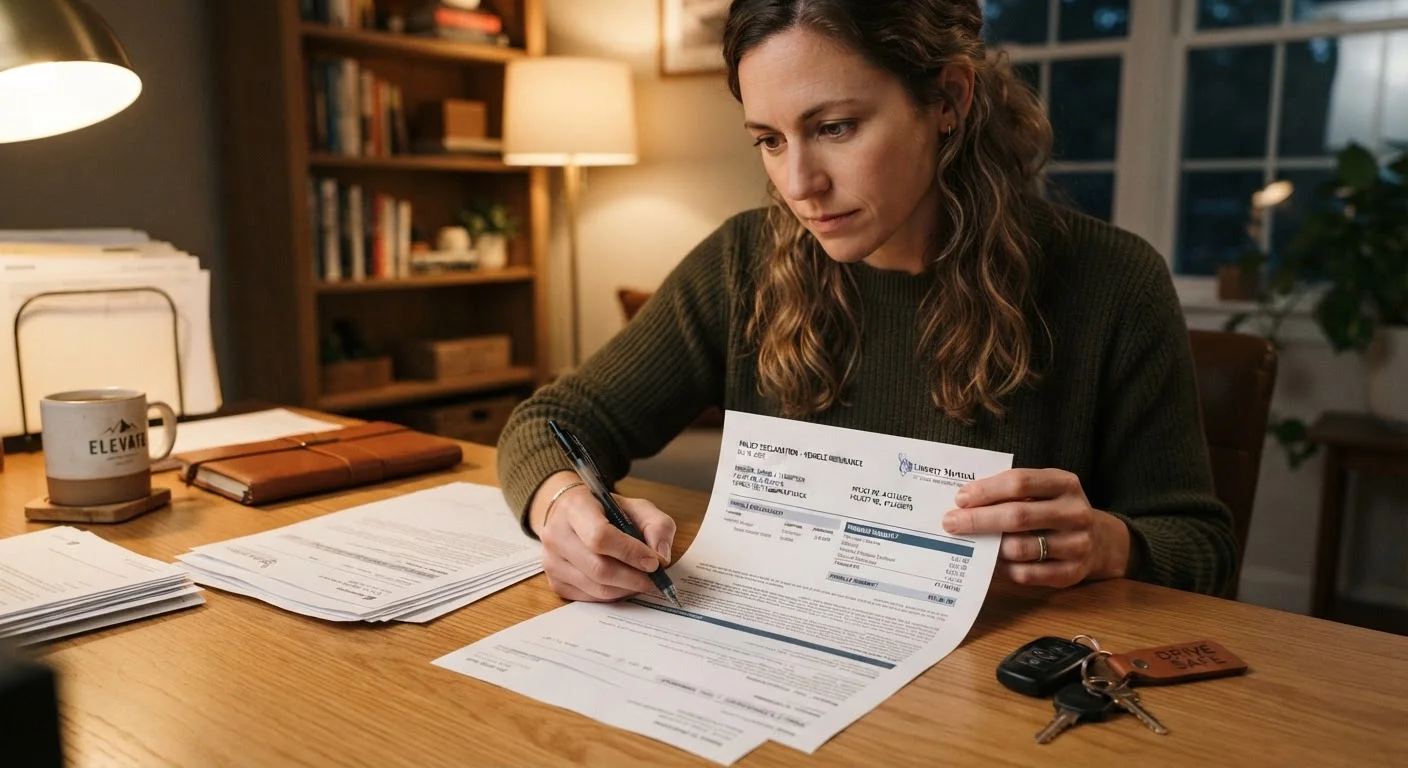
Photo: AskSpecialist.net editorial
Key Takeaways
- Your coverage needs can shift over time - renewal is the right moment to reassess them.
- Liability limits set years ago may no longer be adequate for your current financial situation.
- Discounts you once qualified for may have expired, and new ones may now apply to you.
- A lapse in coverage - even for one day - can raise your premiums significantly.
- Always verify your policy documents match what your insurer says is active on your account.
Why Renewal Is the Right Time to Audit Your Coverage
Most drivers auto-renew their car insurance without a second glance. That's understandable - life is busy. But your coverage needs in Year 5 of owning a car are probably different from Year 1, and your insurer isn't automatically updating your policy to reflect those changes. Renewal time is your annual opportunity to make sure your coverage still fits your life.
Think of this checklist as a structured walk-through of the key decisions embedded in your policy. It won't replace a conversation with a licensed insurance agent, but it will help you show up to that conversation - or to the renewal form - better prepared. Coverage needs also shift when major life events occur; if you've recently moved, married, or added a driver to your household, see our guide on life changes that should trigger a policy review for more specific guidance.
Liability Limits Set Years Ago May Be Too Low Now
What You'll Need Before You Start
Gather these items before working through the checklist so you're not estimating answers on the fly.
Current declarations page
This is your policy's summary sheet - it shows your current limits, deductibles, and listed drivers in one place.
Vehicle registration
Confirms the correct VIN, year, make, and model to cross-check against your policy.
Recent odometer reading
Allows you to update your estimated annual mileage accurately, which can affect your premium.
Licensed agent or insurer contact
A direct number or chat access to your insurer so you can clarify questions or request changes before the renewal date.
The Renewal Checklist
Work through each group below. Check off items that are in good shape; flag anything that needs follow-up with your agent or insurer before you sign off on the renewal.
Your Vehicle Information
Drivers on the Policy
Liability and Coverage Limits
Deductibles
Discounts
Policy Documents and Billing
Don't Let Your Policy Lapse - Even for a Day
After You've Worked Through the List
Once you've completed the audit, you'll likely fall into one of three situations: everything looks right and you're comfortable renewing as-is; you've identified gaps or changes worth discussing with your agent; or the discrepancy between what you need and what you're paying has grown large enough that you want to get comparable quotes from other carriers.
All three outcomes are valid. What matters is that you're making an active, informed decision rather than letting the renewal roll over by default. Staying on top of your car insurance is part of responsible vehicle ownership - the same way keeping up with routine car maintenance protects the vehicle itself, a well-matched policy protects your finances if something goes wrong.
This article is for general informational purposes only and does not constitute personalized insurance, financial, or legal advice. Coverage terms, eligibility, exclusions, and regulations vary by insurer and by state. Always read your actual policy documents carefully and consult a licensed insurance agent or adviser before making coverage decisions.
The content on this site is provided for informational purposes only and should not be considered a substitute for professional advice. While we strive to provide accurate and up-to-date information, we make no guarantees regarding its completeness or accuracy. Always consult a qualified professional for advice specific to your circumstances before making any decisions.