
Grocery Shopping With Nutrition in Mind

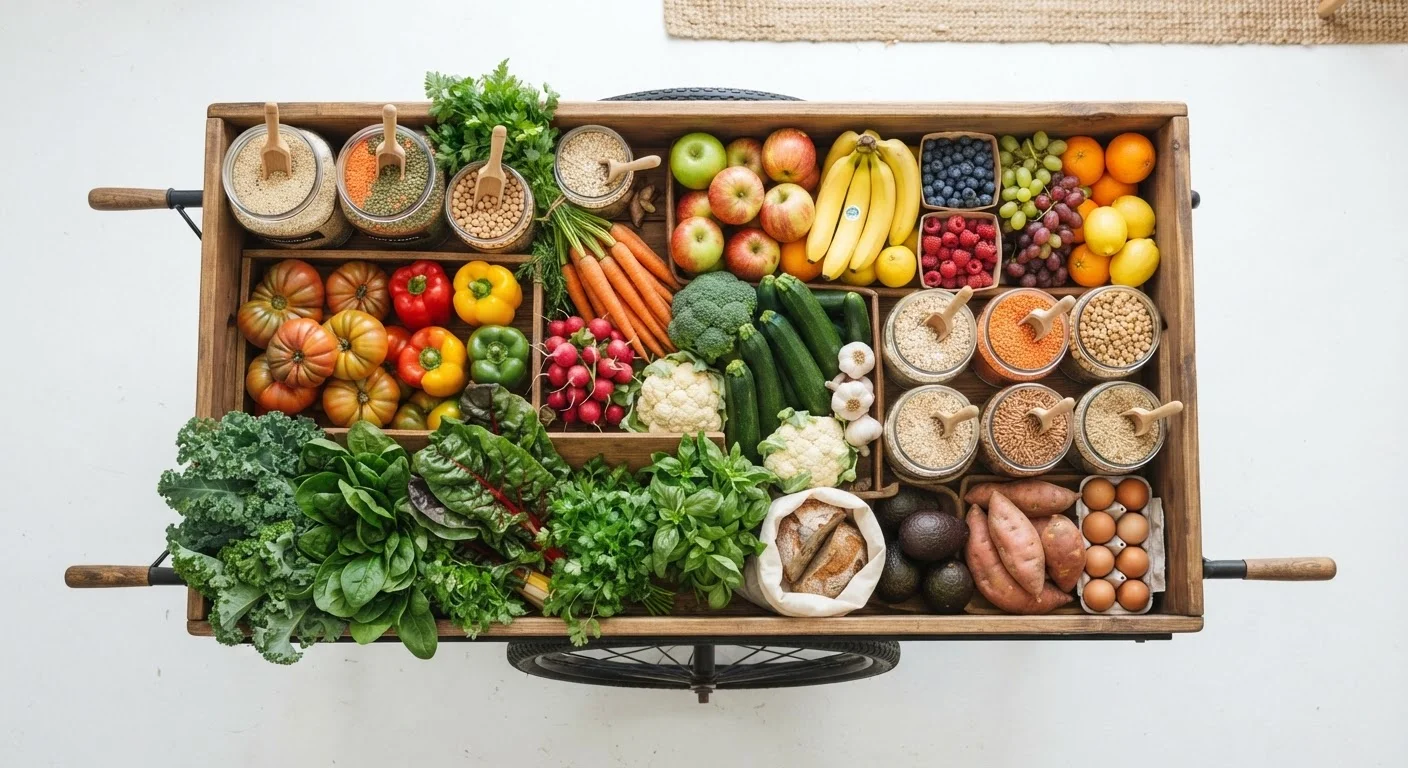
Photo: AskSpecialist.net editorial
Key Takeaways
- Planning your list around food groups helps ensure nutritional variety across the week.
- Reading nutrition labels critically-not just front-of-package claims-leads to more informed choices.
- The store perimeter typically houses whole, minimally processed foods worth prioritizing.
- Frozen and canned produce can be just as nutritious as fresh when chosen carefully.
- Buying habits built over time have more impact on health than any single shopping trip.
Why Grocery Shopping Strategy Matters for Nutrition
Most Americans make food decisions at the store that shape their eating habits far more than any single meal choice. What ends up in your cart largely determines what ends up on your plate - which is why approaching grocery shopping with a nutritional lens is one of the most practical steps you can take for everyday well-being.
This checklist is designed to help you shop more intentionally, covering everything from pre-trip planning to reading labels in the aisle. It's grounded in general nutrition principles from organizations like the USDA and the AND, and it's flexible enough to work with most household budgets and dietary preferences.
For context on how to translate what you buy into balanced meals, see our companion piece on building a balanced plate - it pairs directly with this checklist.
This article is for general informational and educational purposes only. It is not a substitute for personalized nutrition or medical advice. Please consult a registered dietitian or qualified healthcare professional for guidance specific to your health needs.
Nutrition Needs Vary by Individual
Before You Shop: Preparation Steps
A successful nutrition-focused shopping trip begins at home. Taking even 10-15 minutes to prepare can reduce impulse purchases, limit food waste, and help you cover the food groups your household needs throughout the week.
Weekly meal planner template
Helps you map out dinners and lunches before writing your grocery list, reducing guesswork at the store.
Reusable shopping list (paper or app)
Keeps your list organized by store section and reduces impulse buying by keeping you focused.
USDA MyPlate reference
A free, publicly available guide from the USDA to help ensure your cart reflects recommended food group proportions.
Nutrition Facts Panel decoder
A reference guide (available from the FDA) explaining each line of a nutrition label for more informed reading in the aisle.
Consider reviewing what's already in your refrigerator and pantry so you avoid doubling up on perishables. Thinking through a rough meal plan - even just three or four dinners - gives your list structure and purpose. If your nutritional needs differ due to age, pregnancy, or a health condition, the general guidance here may need adjustment. Our overview of nutrition across life stages explains how needs shift and why one-size-fits-all advice has limits.
Pre-Trip Preparation
Produce and Vegetables
Proteins
Grains and Starches
Dairy and Alternatives
Label Reading in the Aisle
In the Store: Making Nutritionally Sound Choices
Once you're inside the store, a few navigational principles can help. The perimeter of most grocery stores - produce, dairy, meat, and seafood - tends to house whole and minimally processed foods. The center aisles contain both highly processed options and genuinely useful staples like whole grains, canned beans, and nut butters, so they're worth navigating thoughtfully rather than avoiding entirely.
When reading nutrition labels, go beyond front-of-package claims. Look at the ingredient list and the NFP for serving size, added sugars, sodium, fiber, and saturated fat. Terms like "natural" or "multigrain" on the front are not regulated in a way that guarantees nutritional quality - the label on the back tells a more complete story. For a practical approach to evaluating what you're buying, the shopper's pre-purchase evaluation checklist offers a transferable framework for scrutinizing any product claim.
Front-of-Package Claims Are Not Regulated Health Endorsements
Frozen vegetables and canned legumes are often nutritionally comparable to fresh and tend to cost less - a meaningful advantage for households managing a budget. Look for options with no added salt or sauce when possible.
Building consistent habits at the store is ultimately more impactful than optimizing any one trip. For a broader look at how to make healthy eating patterns stick long-term, our article on sustainable eating habits offers evidence-informed strategies that fit real American life.
The content on this site is provided for informational purposes only and should not be considered a substitute for professional advice. While we strive to provide accurate and up-to-date information, we make no guarantees regarding its completeness or accuracy. Always consult a qualified professional for advice specific to your circumstances before making any decisions.