
Fiber: The Nutrient Most Americans Aren't Getting Enough Of

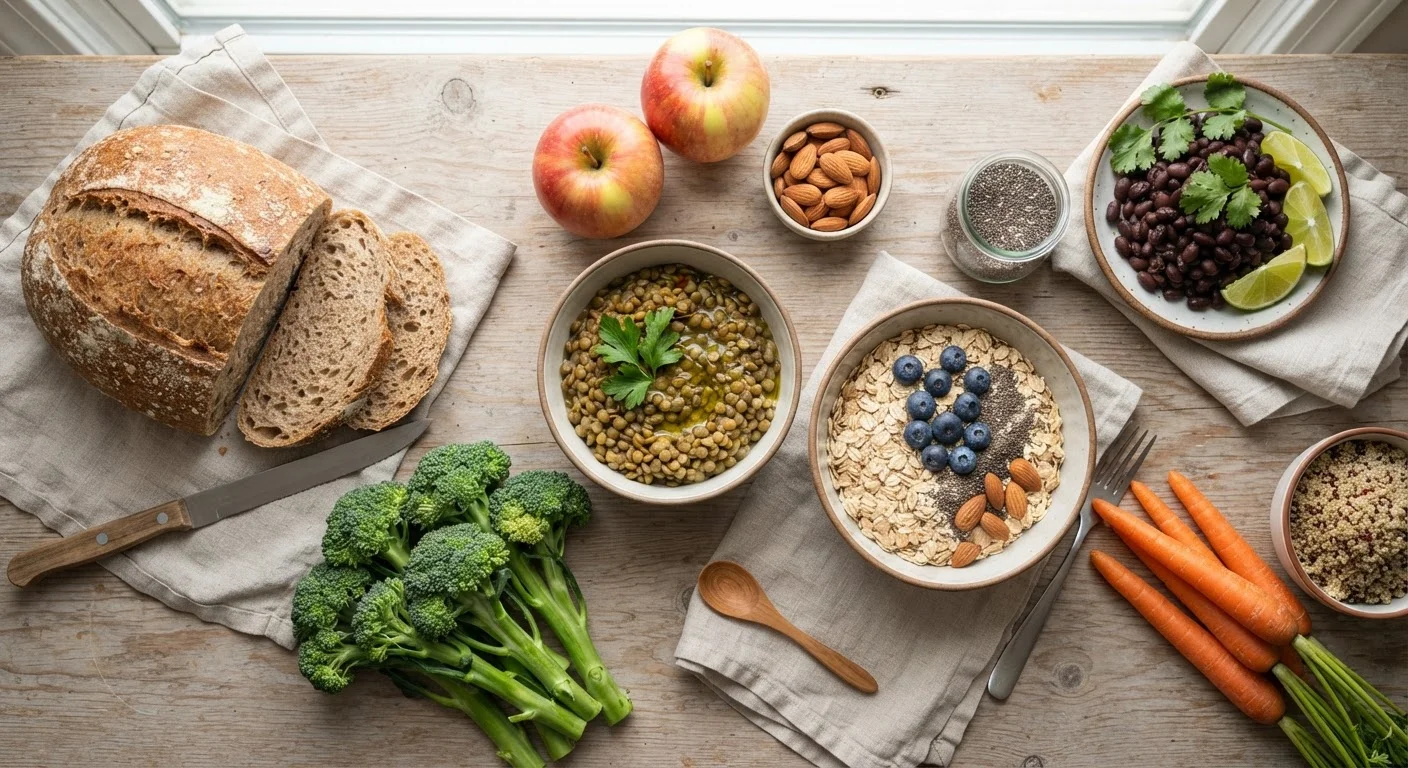
Photo: AskSpecialist.net editorial
Key Takeaways
- Most American adults consume roughly half the daily fiber recommended by health guidelines.
- Fiber supports digestive health, blood sugar regulation, and cardiovascular health.
- Both soluble and insoluble fiber are important - and whole plant foods provide both.
- Increasing fiber intake gradually and pairing it with adequate water reduces digestive discomfort.
- Beans, lentils, oats, vegetables, and whole grains are among the most accessible fiber sources.
Why Fiber Matters More Than Most People Realize
Fiber rarely gets the attention that protein or vitamins do, yet it quietly underpins some of the most important aspects of long-term health. According to the AND and the Dietary Guidelines for Americans, fiber is considered a "nutrient of public health concern" - a designation given when widespread shortfall has measurable consequences for population health.
Research has associated adequate fiber intake with a lower risk of cardiovascular disease, type 2 diabetes, and certain digestive conditions, as well as support for a healthy gut microbiome. The gut microbiome - the community of bacteria living in your intestines - feeds on fermentable fiber, producing short-chain fatty acids that play roles in immune regulation and intestinal health.
Fiber also helps regulate blood sugar by slowing the absorption of glucose after meals, which contributes to steadier energy levels. For a deeper look at how meal composition affects how you feel throughout the day, see our guide on eating for sustained energy.
~15g
Average daily fiber intake for U.S. adults
National dietary survey data consistently shows average American adult fiber consumption falls well below the 25-38g daily guidance from health authorities.
95%
Americans not meeting fiber recommendations
Research published in the American Journal of Lifestyle Medicine estimated that approximately 95% of Americans do not meet daily fiber intake recommendations.
25-38g
Recommended daily fiber intake for adults
The Dietary Guidelines for Americans suggest 25g per day for women and 38g for men, with needs varying by age and caloric intake.
Soluble vs. Insoluble: Two Types, Both Important
Most people think of fiber as a single thing, but it comes in two distinct forms that work differently in the body. Understanding both helps clarify why variety across plant foods matters.
Soluble Fiber
Soluble fiber dissolves in water to form a viscous gel in the digestive tract. This gel slows digestion, which moderates how quickly glucose enters the bloodstream and can help reduce LDL ("bad") cholesterol levels. Oats, barley, legumes, apples, and citrus fruits are well-known sources. The soluble fiber in oats - called beta-glucan - has been among the more studied for its cholesterol-related effects.
Insoluble Fiber
Insoluble fiber does not dissolve in water. Instead, it adds bulk to stool and helps food move through the digestive system more efficiently. Whole wheat, nuts, beans, and most vegetables contain significant insoluble fiber. It is particularly associated with regularity and reduced risk of constipation.
Most whole plant foods contain a combination of both types, which is one reason nutrition guidance consistently prioritizes food sources over isolated supplements. To understand how fiber fits into your broader eating patterns, our explainer on macronutrients provides useful context.
Practical Ways to Add More Fiber to Your Diet
Closing the fiber gap doesn't require a dramatic dietary overhaul. Small, consistent shifts across meals can make a meaningful difference over time.
- Swap refined grains for whole grains. Choosing whole grain bread, brown rice, or whole wheat pasta over their refined counterparts adds fiber with minimal effort.
- Add legumes regularly. Lentils, black beans, and chickpeas are among the highest-fiber foods available and are relatively affordable and shelf-stable. Adding them to soups, salads, or grain bowls is straightforward.
- Keep the skins on produce. The skin of apples, pears, potatoes, and cucumbers contains a meaningful share of their total fiber content.
- Build meals around vegetables. Making vegetables a central part of meals - rather than a side - increases fiber intake naturally.
- Add seeds. Chia seeds, flaxseeds, and hemp seeds can be stirred into oatmeal, yogurt, or smoothies and add a concentrated dose of fiber.
Increase Fiber Slowly to Avoid Discomfort
When increasing fiber, doing so gradually is important. A sudden large increase can cause temporary bloating or gas as the gut microbiome adjusts. Pairing higher fiber intake with adequate fluid is also key - fiber needs water to do its job effectively. Our article on hydration and nutrition explains why fluids matter alongside dietary changes.
For help navigating the grocery store with these goals in mind, our grocery shopping guide offers a practical, nutrition-focused approach.
This article is for general informational purposes only and is not a substitute for professional medical or dietary advice. Consult a qualified healthcare provider before making significant changes to your diet, especially if you have an existing health condition.
Frequently Asked Questions
The content on this site is provided for informational purposes only and should not be considered a substitute for professional advice. While we strive to provide accurate and up-to-date information, we make no guarantees regarding its completeness or accuracy. Always consult a qualified professional for advice specific to your circumstances before making any decisions.