
Low-Impact Exercise Options for People Who Need to Go Easy on Their Joints

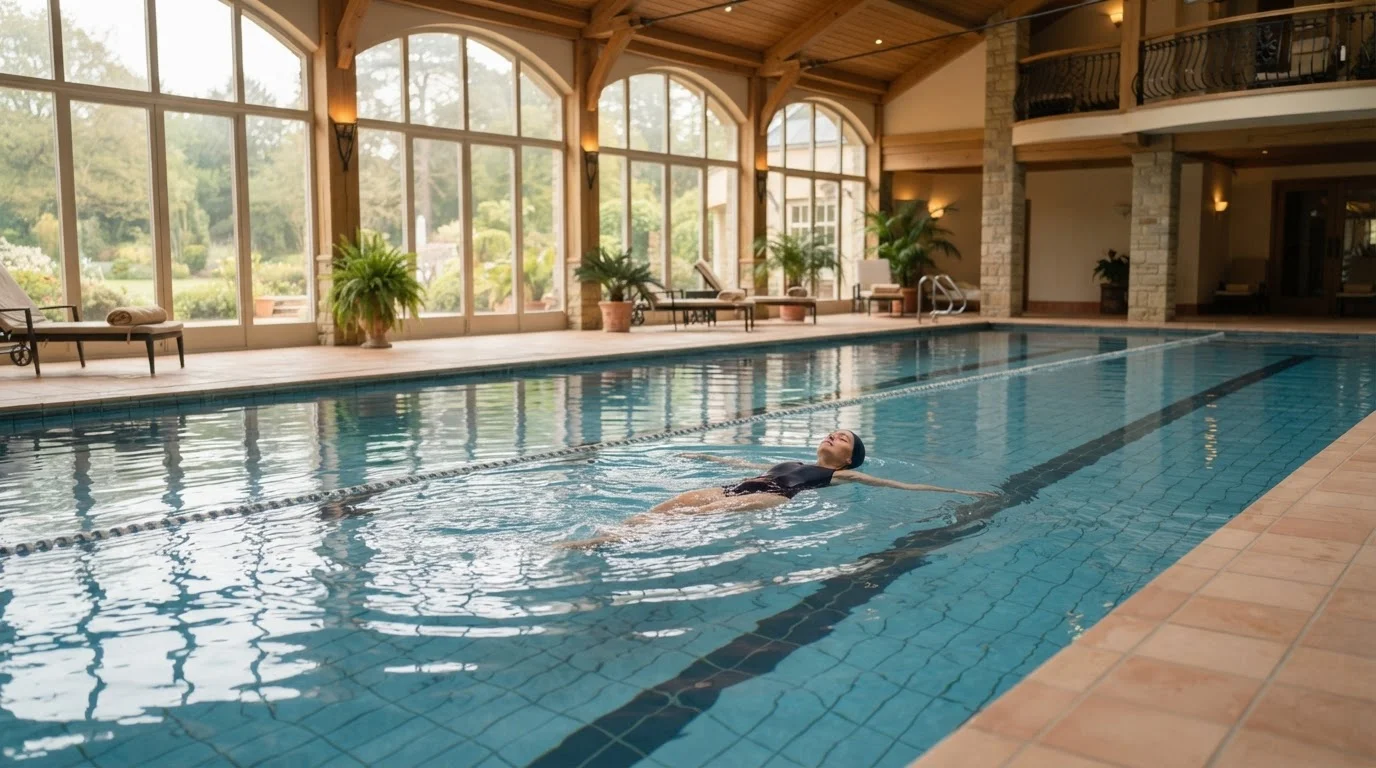
Photo: AskSpecialist.net editorial
Key Takeaways
- Low-impact exercise can improve cardiovascular health, strength, and flexibility without placing harmful stress on joints.
- Options range from water-based activities to walking and yoga, making joint-friendly movement accessible at many fitness levels.
- Consistency matters more than intensity - sustainable, comfortable movement produces real long-term health benefits.
- People with chronic joint conditions should consult a healthcare provider before starting or changing an exercise routine.
- Combining multiple low-impact modalities often produces better overall results than relying on a single activity.
Why Joint-Friendly Movement Still Delivers Real Results
A persistent fitness myth holds that exercise only counts if it leaves you sore or exhausted - but that notion has been thoroughly challenged by exercise science. Many people avoid physical activity because they associate it with pain, particularly those managing arthritis, recovering from an injury, or simply dealing with the wear joints accumulate over decades. The reality is that low-impact movement can meaningfully improve cardiovascular fitness, muscular endurance, balance, and mood - without the repetitive pounding that high-impact exercise puts on cartilage and connective tissue.
"Low-impact" doesn't mean low-effort or low-benefit. It means that at least one foot stays in contact with the ground (or the body is fully supported, as in water), reducing the force transmitted through weight-bearing joints like the knees, hips, and ankles. For many people, this distinction is the difference between being able to exercise consistently or not at all. If you've been told by a doctor to go easy on your joints - or if discomfort during exercise has made you quit in the past - the options below are worth exploring. As always, check with a qualified healthcare provider before beginning any new exercise program, especially if you have a diagnosed joint condition.
Common fitness myths - like "no pain, no gain" - can discourage people with joint concerns from exercising at all. The evidence points in a very different direction.
Swimming and Water Aerobics
Water is one of the most forgiving environments for exercise. Buoyancy reduces effective body weight by up to 90 percent depending on immersion depth, which dramatically lowers the load on hips, knees, and the spine. Swimming engages nearly every major muscle group simultaneously and provides genuine cardiovascular conditioning. Water aerobics classes - widely available at YMCAs and community recreation centers - offer structured, social exercise that works for a broad range of fitness levels and ages. Resistance from the water also builds muscular endurance without the need for weights.
Buoyancy can reduce effective body weight by up to 90 percent, making water one of the most joint-protective exercise environments available.
Walking at a Comfortable Pace
Walking is the most accessible form of exercise most people can do, requiring no equipment beyond supportive footwear and a safe surface. Unlike running, walking keeps ground-reaction forces low and allows individuals to control pace, terrain, and duration precisely. Research consistently associates regular walking with reduced risk of cardiovascular disease, improved blood sugar regulation, and better mental health outcomes. For those whose joints are sensitive, flat surfaces - paved paths, indoor malls, or treadmills with cushioned decks - minimize uneven loading. Gradually increasing duration before pace is a sensible progression strategy.
Walking on flat, cushioned surfaces keeps ground-reaction forces low while still delivering meaningful cardiovascular and metabolic benefits.
Cycling (Stationary or Outdoor)
Cycling places minimal compressive load on the knees and hips compared to walking or running, because the saddle bears much of body weight. Stationary bikes offer the added benefit of a controlled, fall-safe environment - particularly relevant for older adults or those with balance concerns. Recumbent bikes, which position the rider in a semi-reclined seat with pedals in front, reduce spinal stress further and are often recommended for people with lower-back issues. Resistance levels can be dialed up or down to match fitness capacity, making cycling suitable for beginners and more conditioned exercisers alike.
Because the saddle supports body weight, cycling places far less compressive force on the knees and hips than walking or running.
Yoga and Gentle Stretching Practices
Yoga encompasses a wide spectrum of styles - from vigorous vinyasa flows to slow, supported restorative sessions. For joint-conscious individuals, restorative yoga and chair yoga are particularly well-suited, as they use props and seated positions to reduce load while still improving flexibility, balance, and body awareness. Regular practice has been associated with reductions in arthritis-related pain and improvements in physical function in several clinical studies. It's important to communicate any joint limitations to an instructor so that appropriate modifications are offered, and to avoid pushing into painful ranges of motion.
Restorative and chair yoga styles can improve flexibility and reduce arthritis-related discomfort without demanding painful ranges of motion.
Elliptical Training
The elliptical machine traces a smooth, oval stride path that eliminates the heel-strike impact characteristic of running. Studies comparing treadmill running and elliptical training have found significantly lower peak forces on the knee during elliptical use, while oxygen consumption and calorie expenditure remain comparable at similar effort levels. Most machines also include moveable handles that engage the upper body, turning the session into a full-body workout. Because the motion is guided, the elliptical also has a low learning curve - most people adapt to it within one or two sessions.
The elliptical's guided oval motion eliminates heel-strike impact while maintaining cardiovascular intensity comparable to running.
Resistance Training with Bands or Light Weights
Strengthening the muscles around a joint is one of the most effective ways to reduce the load the joint itself must absorb during everyday movement. Resistance bands and light free weights allow progressive loading without requiring heavy compound lifts that stress joints under load. Seated or supported exercises - such as seated leg presses, resistance band rows, or wall push-ups - keep the body stable while targeting specific muscle groups. Bodyweight training offers a related option when equipment isn't available, though it has its own limitations worth understanding.
Strengthening muscles around a vulnerable joint is one of the most evidence-backed strategies for reducing everyday joint load.
Tai Chi
Tai chi is a centuries-old Chinese movement practice characterized by slow, flowing sequences performed with continuous weight shifts and deliberate breathing. Its appeal for joint health lies in its combination of gentle range-of-motion work, balance training, and low physical impact. The American College of Rheumatology has recognized tai chi as a beneficial complementary activity for people with knee osteoarthritis. Beyond joint-specific benefits, tai chi has a well-documented record of reducing fall risk in older adults - an important consideration when joint problems and balance challenges often coexist. Many community centers and senior centers offer beginner classes.
Tai chi's slow, flowing movements build balance and joint-friendly range of motion, with fall-risk reduction recognized as a key benefit for older adults.
Building a Routine That Actually Sticks
Choosing the right activity is only half the challenge. The other half is building the habit - and for joint-conscious exercisers, that often means starting with shorter sessions at comfortable intensity and progressing gradually. Trying to do too much too soon is one of the most common reasons people experience setbacks, particularly when joints are already sensitive.
Start Short, Progress Gradually
If you're working from home or logging long hours at a desk, weaving in short bouts of low-impact movement throughout the day - rather than a single long session - can be an effective starting point. See our piece on building a movement habit when you sit all day for practical strategies.
It's also worth understanding how flexibility and mobility work together to support joint health. The difference between flexibility and mobility shapes which low-impact activities will feel accessible and which might need modification. Over time, as comfort and capacity improve, signs that your routine needs recalibrating - such as persistent fatigue or declining motivation - can help guide sensible adjustments.
This article is for general informational purposes only and does not constitute medical advice. If you have a joint condition, injury, or chronic health concern, consult a qualified healthcare professional before starting or modifying an exercise program.
The content on this site is provided for informational purposes only and should not be considered a substitute for professional advice. While we strive to provide accurate and up-to-date information, we make no guarantees regarding its completeness or accuracy. Always consult a qualified professional for advice specific to your circumstances before making any decisions.