
Acute Stress vs. Chronic Stress: Why the Distinction Matters

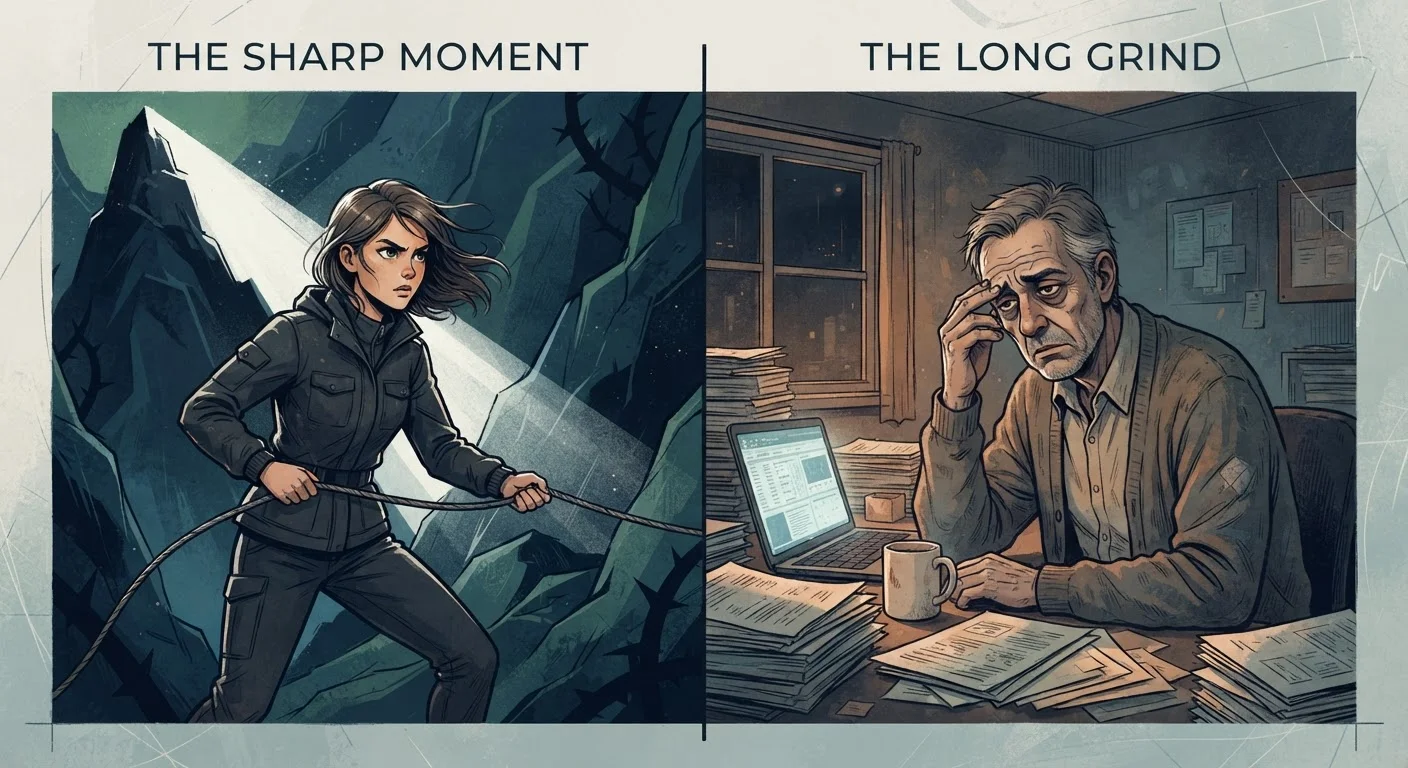
Photo: AskSpecialist.net editorial
Key Takeaways
- Acute stress is short-lived and can actually sharpen focus and performance in some situations.
- Chronic stress persists over weeks or months and is linked to serious physical and mental health risks.
- The body's stress response is the same for both types, but duration determines the health impact.
- Recognizing which type of stress you're experiencing guides the most appropriate coping strategies.
- Persistent stress symptoms lasting more than a few weeks warrant a conversation with a healthcare professional.
What Is Acute Stress?
Acute stress is the body's immediate response to a perceived threat or challenge. It's what you experience before a job interview, when you brake hard to avoid a collision, or in the moments before public speaking. The stress response kicks in fast - your heart rate rises, breathing quickens, and hormones like adrenaline and cortisol flood the system. This is the classic fight-or-flight response.
Crucially, acute stress is short-lived. Once the triggering situation passes, the body returns to baseline. In moderate amounts, this kind of stress can actually be beneficial - researchers sometimes call it eustress - sharpening attention, boosting motivation, and improving short-term performance. The key word is temporary: the system activates, does its job, and stands down.
Most people experience acute stress regularly throughout life. A tight deadline, an argument with a family member, or a sudden financial surprise can all trigger it. By itself, acute stress is a normal and even adaptive human experience.
What Is Chronic Stress?
Chronic stress occurs when the stress response stays activated over an extended period - weeks, months, or even years. Unlike acute stress, there's no clear endpoint. Common sources include prolonged financial hardship, difficult work environments, caregiving demands, relationship conflict, or living with a serious illness.
When stress hormones like cortisol remain chronically elevated, the body pays a significant price. Research has linked long-term stress to disruptions in sleep, immune function, cardiovascular health, digestion, and mental well-being. To explore the full scope of these effects, see what stress actually does to your body and mind.
Chronic stress can also be harder to recognize precisely because it becomes the background noise of daily life. People often adapt their expectations rather than identifying the stress itself as a problem - which is one reason it frequently goes unaddressed until physical or psychological symptoms become more serious.
| Criterion | Acute Stress | Chronic Stress |
|---|---|---|
| Duration | Minutes to hours | Weeks to months or longer |
| Trigger | Specific, identifiable event | Ongoing circumstances or conditions |
| Physical symptoms | Racing heart, rapid breathing | Fatigue, sleep disruption, headaches |
| Mental effects | Heightened alertness, temporary anxiety | Persistent anxiety, low mood, difficulty concentrating |
| Health risk | Low when infrequent | Higher - linked to serious long-term conditions |
| Resolution | Body returns to baseline naturally | Requires active intervention and support |
| Common coping approaches | Breathing, short-term preparation | Therapy, lifestyle change, professional guidance |
How to Tell Which Type You're Experiencing
The clearest differentiator is duration and source. Ask yourself: Is there a specific, identifiable stressor that will eventually resolve? Or does the pressure feel constant and tied to the ongoing conditions of your life rather than one discrete event?
Acute stress symptoms - racing heart, tension headaches, short-term irritability - tend to fade once the situation passes. Chronic stress symptoms often linger and may escalate: persistent fatigue, difficulty concentrating, changes in appetite or sleep, emotional numbness, or frequent physical complaints that don't have a clear medical cause.
77%
Americans reporting physical stress symptoms
According to the American Psychological Association's Stress in America survey, a large majority of U.S. adults report experiencing physical symptoms they attribute to stress.
3 in 5
Adults who say stress affects their mental health
The APA has consistently found that most American adults connect ongoing stress to noticeable impacts on their emotional well-being.
It's also worth noting that repeated episodes of acute stress - for instance, a job that generates daily high-pressure moments - can effectively become chronic stress if the body never fully recovers between episodes. The line isn't always perfectly distinct.
This article is for general informational purposes only and does not constitute medical advice. If you are experiencing persistent or severe stress symptoms, please consult a qualified healthcare professional.
The content on this site is provided for informational purposes only and should not be considered a substitute for professional advice. While we strive to provide accurate and up-to-date information, we make no guarantees regarding its completeness or accuracy. Always consult a qualified professional for advice specific to your circumstances before making any decisions.