
The Real Estate Cycle: Boom, Correction, Recovery, and What Comes Next

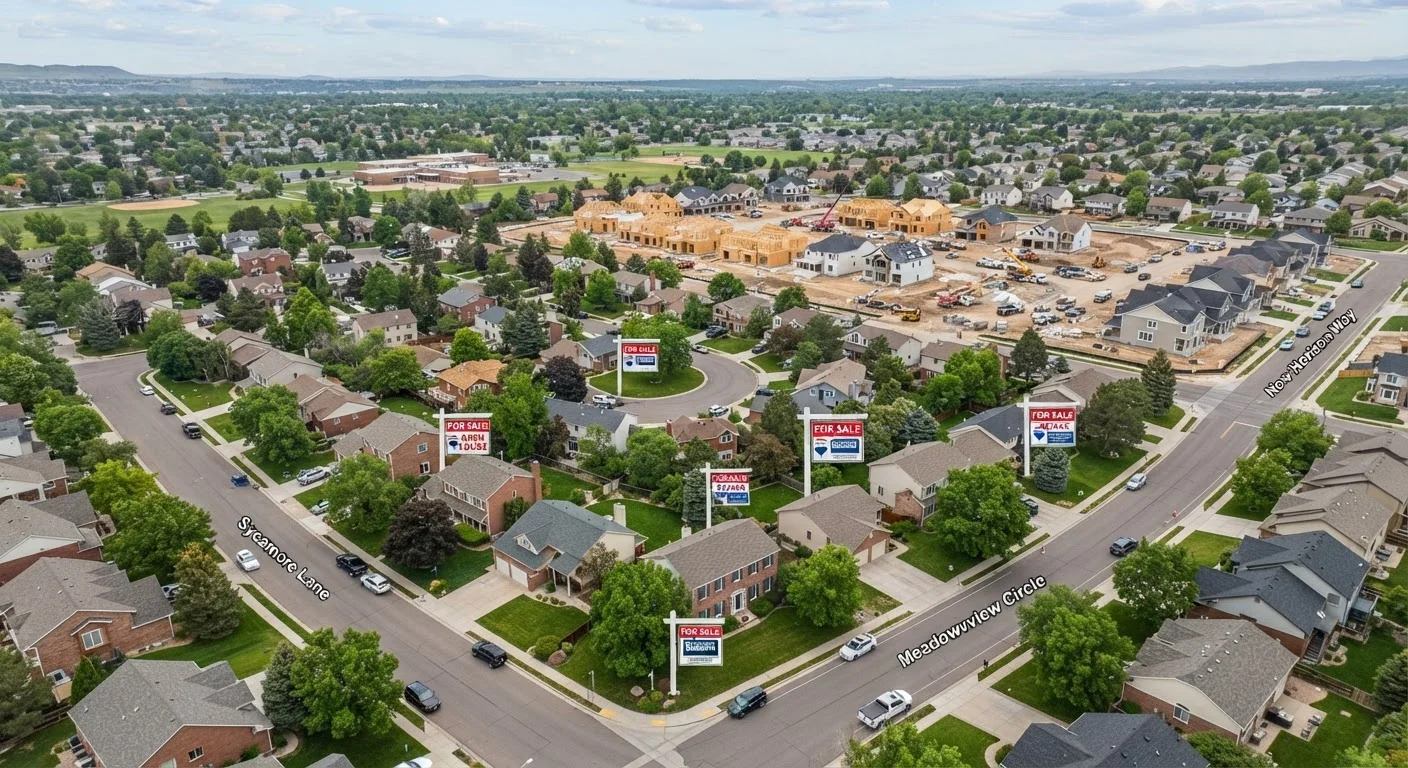
Photo: AskSpecialist.net editorial
Key Takeaways
- Housing markets move through four broad phases: boom, correction, recovery, and expansion.
- No phase lasts forever - recognizing where the market is can help you frame decisions more clearly.
- Local conditions often diverge significantly from national headlines.
- Trying to perfectly time any phase is difficult even for professionals; personal readiness matters more.
- Key indicators like inventory levels, days on market, and price trends signal phase transitions.
What Is the Real Estate Cycle?
The real estate cycle is a repeating pattern of market conditions that housing economists have observed across decades of US data. Rather than moving randomly, housing markets tend to pass through four broad phases: boom (rapid price growth and intense demand), correction (slowing activity and price pullbacks), recovery (stabilization and renewed buyer confidence), and expansion (steady, sustainable growth leading back toward the next boom).
Understanding this framework won't let you predict the market with certainty - no model can - but it gives you a way to interpret what you're reading without being whipsawed by each new headline. For a grounding in the specific terms you'll encounter along the way, see the housing market terms reference.
Housing inventory
The total number of homes actively listed for sale at a given time. Low inventory favors sellers; high inventory favors buyers.
Days on market
How long a home has been listed before going under contract. Rising days on market often signal softening demand.
Price correction
A moderate decline in home prices after a period of rapid growth. It is a normal market adjustment, not a crash.
Absorption rate
The pace at which available homes are sold in a given period, often expressed in months of supply. It indicates how quickly the market would sell all current listings at the current rate of sales.
Buyer's market
A market condition where supply exceeds demand, giving buyers more negotiating power and more time to make decisions.
Seller's market
A market condition where demand exceeds supply, typically driving prices up and shortening the time homes spend listed.
The Boom Phase: Rising Prices and High Demand
A boom is characterized by strong buyer demand that outpaces available housing supply. Prices climb quickly, homes sell in days rather than weeks, and bidding wars become routine. Low mortgage rates, strong employment, or both often fuel this environment. Builders increase starts, but construction takes time, so supply struggles to catch up.
For buyers, booms are psychologically stressful. The fear of being priced out can push people toward decisions they haven't fully considered. For sellers, conditions are favorable - but timing a sale at the absolute peak is rarely achievable in practice. It's also worth noting that common beliefs about when to buy or sell don't always hold up under scrutiny, even during a boom.
Focus on Your Financial Readiness First
The Correction Phase: When the Market Cools
After extended price growth, some combination of reduced affordability, rising interest rates, or economic uncertainty causes demand to ease. Inventory builds up as homes sit on the market longer. Sellers may begin reducing asking prices, and the pace of sales slows noticeably.
It is important to distinguish a correction from a crash. A correction is a normal and typically healthy recalibration - prices moderate, and the market becomes more accessible to buyers who were priced out during the boom. A crash, by contrast, involves steep and rapid declines often tied to systemic financial problems. Most corrections are gradual.
Corrections Are Often Misread as Crashes
Housing activity during a correction also sends signals to the broader economy. Real estate's role as an economic indicator explains why economists watch these trends so closely.
The Recovery Phase: Stabilization and Renewed Confidence
Recovery begins when the market finds its floor. Price declines slow and eventually stop. Inventory levels stabilize, and motivated buyers - those who held off during uncertainty - begin returning. Days on market start to shorten, and distressed sales become less common.
Recovery can feel uneven. Some neighborhoods or price segments bounce back faster than others based on local employment and population trends. National data may still look soft while specific local markets are already strengthening. This is why tracking local indicators matters as much as following national reports. For guidance on which signals to watch, see indicators worth tracking when timing a real estate decision.
Reading the Cycle Without Overreacting to Headlines
Financial media tends to amplify each new data point. A single month of rising prices becomes a boom; one weak sales report signals a crash. The cycle framework is useful precisely because it encourages a longer view. A single data point rarely defines a phase - trends do.
A few practical habits help: track inventory levels and days on market in your local area rather than relying solely on national figures; compare current conditions to the same period in prior years to filter out seasonal noise; and build a consistent reading routine rather than reacting to each report in isolation. Building a personal framework for following the market offers a structured approach to doing exactly this.
Whether you're exploring renting or buying, understanding market cycles puts you in a stronger position to interpret what you're seeing. See our renting overview or the home buying guides for next steps suited to your situation.
This article is for general informational purposes only and does not constitute financial, legal, or real estate advice. Consult a licensed real estate professional for guidance specific to your situation and local market.
Frequently Asked Questions
The content on this site is provided for informational purposes only and should not be considered a substitute for professional advice. While we strive to provide accurate and up-to-date information, we make no guarantees regarding its completeness or accuracy. Always consult a qualified professional for advice specific to your circumstances before making any decisions.