
Smart Shopping Habits That Stick: A Foundation for Better Consumer Decisions

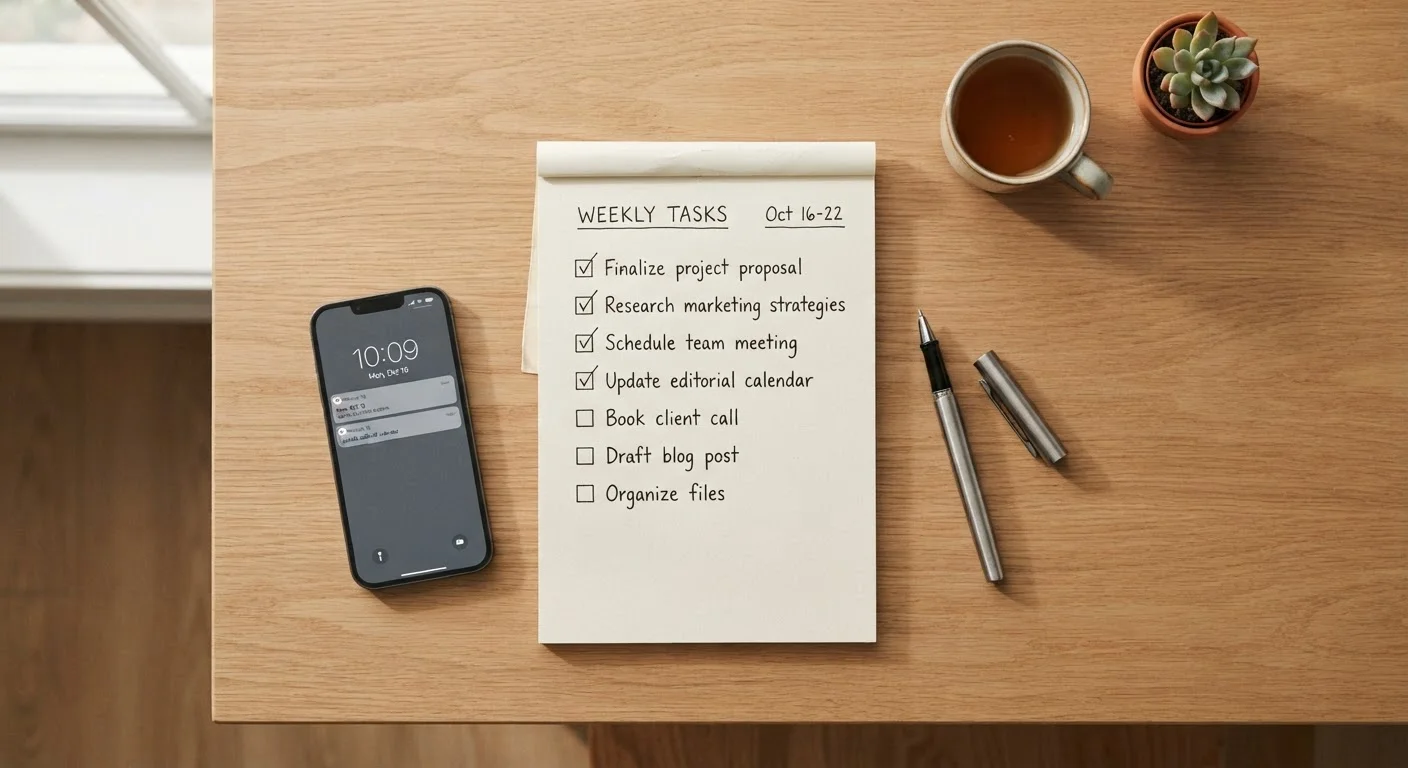
Photo: AskSpecialist.net editorial
Key Takeaways
- A short cooling-off period before any non-essential purchase significantly reduces regret.
- Defining your actual need before researching products keeps evaluation grounded and objective.
- Checking return policies and consumer protections before buying adds a critical safety net.
- Separating research sessions from purchase sessions reduces impulse-driven decisions.
- Tracking past purchases reveals your own spending patterns and recurring regret triggers.
Why Shopping Habits Matter More Than Individual Decisions
Most consumer regret doesn't come from a single catastrophic purchase - it accumulates through dozens of small, unconsidered decisions made on autopilot. A habit-based approach to shopping shifts focus away from willpower in the moment and toward systems that make better decisions easier by default.
The distinction between reactive and intentional purchasing is well-documented. As explored in impulse buying vs. intentional shopping, reactive purchases are driven by context - a sale banner, an in-store display, a social media ad - rather than genuine need. Habits interrupt that pattern before money leaves your account.
This article outlines the core habits that consistently lead to more satisfying purchases and fewer costly mistakes, regardless of what you're buying.
Define your actual need before opening any product search.
Impose a minimum 24-hour wait before completing any non-essential purchase.
Read the return and exchange policy before purchasing, not after.
Cross-reference reviews across multiple independent platforms.
Calculate total cost of ownership, not just purchase price.
Common Errors That Erode Purchasing Confidence
Before building better habits, it helps to recognize the errors they're designed to prevent. Several patterns show up repeatedly among dissatisfied buyers:
- Skipping the need definition step - buying without first clarifying what problem you're actually solving leads to mismatched purchases.
- Anchoring to the original price - perceiving a discounted item as a good deal purely because of the markdown, regardless of whether you needed it. This and related traps are covered in depth in shopping habits that quietly undermine your budget.
- Ignoring total cost of ownership - failing to account for maintenance, accessories, subscriptions, or consumables tied to a product.
- Skipping return policy review - discovering after purchase that a return window has passed or that final-sale rules apply.
Recognizing these patterns in your own behavior is the first step toward replacing them with structured habits.
Use Your Cart as a Wishlist
Practical Habits That Consistently Reduce Regret
The following practices form a repeatable framework you can apply across categories - from electronics to clothing to home goods. They're not complex, but they require consistent application to become automatic.
For a structured pre-purchase process that pairs with these habits, see the shopper's pre-purchase evaluation checklist, which walks through quality signals, policy review, and decision criteria in a single workflow.
Understanding your legal baseline also strengthens every purchase. Consumer protections already available to you - including implied warranties and FTC cooling-off rules - can serve as a backstop when purchases go wrong.
Making These Habits Last
Habits stick when they're tied to existing routines and produce a reliably positive outcome. A few implementation principles help:
- Use friction strategically. Remove saved payment information from browsers so purchases require a deliberate re-entry. That small pause is often enough to catch an impulse buy.
- Build a purchase log. A simple note - even a phone memo - tracking what you bought, why, and how you felt about it three months later builds self-knowledge that generic advice can't replicate.
- Separate browsing from buying. Bookmark items and return to them after 48 hours. This single habit eliminates a substantial portion of regrettable purchases.
These habits also connect naturally to broader value-finding skills. Finding value without falling for hype offers a research-based framework for verifying prices and avoiding marketing traps once your foundational habits are in place.
For a deeper look at the cognitive side of regrettable purchases, the psychology behind shopping regret explains the biases that make even informed consumers vulnerable - and the mental habits that counteract them.
The content on this site is provided for informational purposes only and should not be considered a substitute for professional advice. While we strive to provide accurate and up-to-date information, we make no guarantees regarding its completeness or accuracy. Always consult a qualified professional for advice specific to your circumstances before making any decisions.