
Airport Lounges: Who Can Actually Get In and Whether It's Worth It

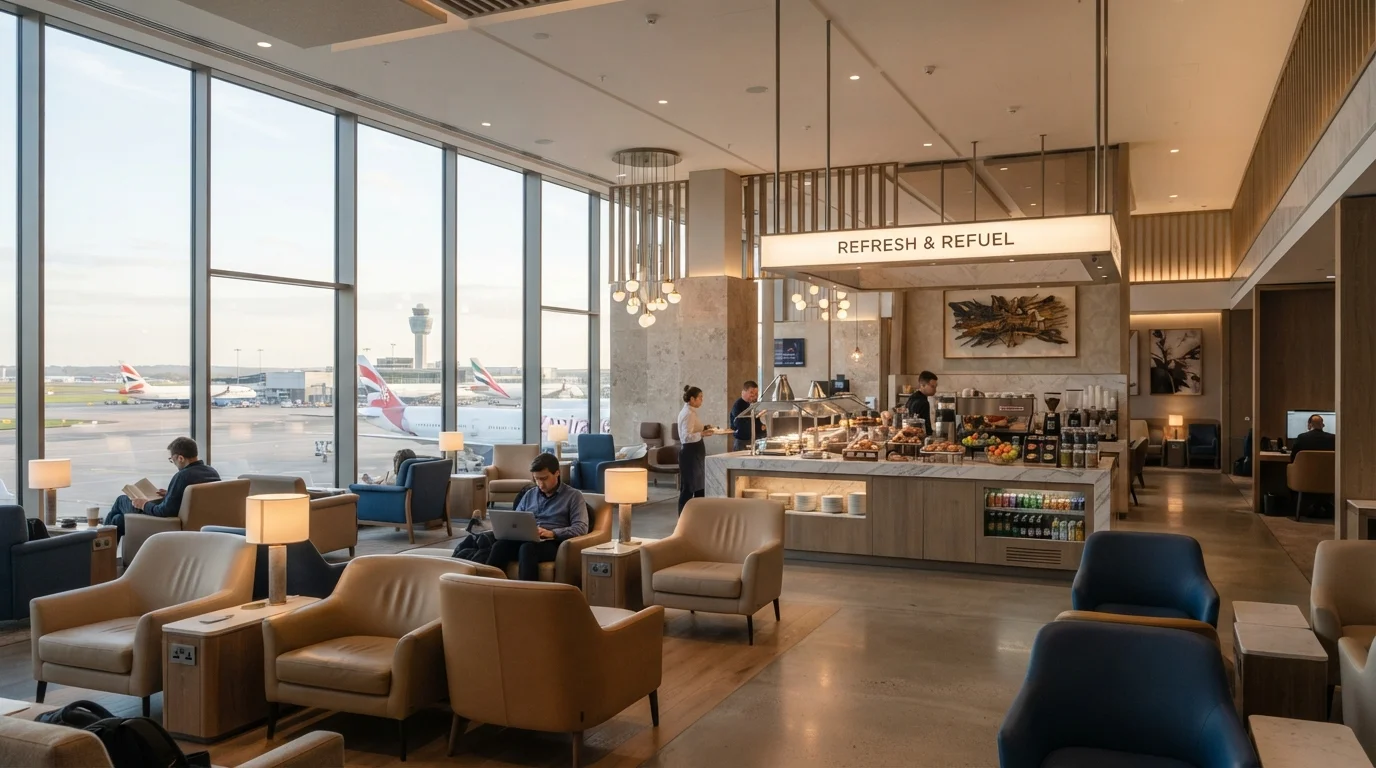
Photo: AskSpecialist.net editorial
Key Takeaways
- Lounge access depends on your ticket class, elite status, credit card benefits, or paying a day pass fee.
- Not all credit cards that advertise lounge access cover every lounge - network and tier restrictions apply.
- Lounge quality varies significantly by airport, airline, and network affiliation.
- Day pass pricing can make walk-in access expensive, often $50 or more per visit.
- Understanding the access rules before you travel prevents frustration at the door.
- For frequent travelers, structured lounge access can reduce stress during long layovers.
Who Actually Gets In: The Four Access Paths
Airport lounges have a reputation for exclusivity, but the reality is more structured than mysterious. There are four main ways travelers gain entry, and understanding which applies to you is the first practical step.
- Ticket class: Business and first-class passengers on international routes are routinely granted lounge access as part of their fare. Domestic business class is less consistent - some carriers include it, others don't.
- Frequent flyer elite status: Airline loyalty programs assign elite tiers to high-volume travelers. Mid-tier and top-tier status holders often receive lounge access as a standard benefit, even when flying economy. For more on how these programs work, see Travel Rewards Programs: A Ground-Level Introduction for First-Timers.
- Credit card benefits: A growing number of travel-focused credit cards include lounge access through networks like Priority Pass. The specific lounges covered depend on the card tier and network affiliation - always verify before traveling.
- Day passes and memberships: Independent travelers can often purchase a day pass at the lounge entrance or online in advance, subject to capacity. Annual membership programs tied to specific airline clubs are also available for purchase.
It's worth noting that these four paths can overlap. An economy passenger carrying a qualifying card and holding elite status has multiple credentials - but each lounge still applies its own rules at the door.
What You Actually Get Inside
Lounge amenities exist on a wide spectrum. A domestic connector lounge at a smaller regional airport may offer little more than a quieter room, basic snacks, and free Wi-Fi. A flagship international lounge at a major hub can feel closer to a hotel - showers, a full à la carte menu, a bar, private suites, and spa services.
For most travelers, a standard lounge realistically offers:
- Complimentary food - typically a buffet with hot and cold options
- Non-alcoholic drinks and, in many cases, complimentary alcohol
- Reliable Wi-Fi and charging points
- More comfortable, less crowded seating than the main terminal
- Quieter surroundings conducive to working or resting
Check the Specific Lounge Before You Rely on It
Quality is genuinely variable. Before building a long layover strategy around lounge access, it's worth searching for recent traveler reviews of that specific lounge at that specific airport. The same airline's lounge can differ significantly between its home hub and a smaller outstation.
For travelers turning a layover into a productive window, pairing lounge time with a broader strategy makes sense. See The Anatomy of a Smart Layover: Turning Downtime Into an Advantage for a fuller picture.
Is It Worth It? Running the Honest Calculation
"Worth it" is a function of how often you travel, how long your layovers tend to be, and what you'd otherwise spend at the airport.
1,400+
Lounges in the Priority Pass network globally
Priority Pass, one of the largest independent lounge networks, reports access to over 1,400 airport lounges across more than 140 countries, according to its published network data.
$50-$75+
Typical day pass cost at major U.S. lounges
Day pass pricing varies by lounge and airline club, but major U.S. airline clubs generally list walk-in day pass rates in this range, subject to availability and capacity limits.
3 hrs
Layover length where lounge value becomes clearer
Travel advisors commonly suggest that layovers under 90 minutes offer too little time to benefit meaningfully from a lounge, while layovers of three hours or more make the amenities worth the access effort.
For frequent travelers - those taking multiple long-haul or connecting trips per year - lounge access built into a credit card benefit or loyalty status often provides clear value. The cost is absorbed across many uses, and the cumulative reduction in travel stress is real. This is a different calculation than evaluating a retail loyalty program, where spending patterns determine returns.
For occasional travelers, the math is more honest: a single-use day pass at $60-$75 may match or exceed what you'd spend on airport food and drinks anyway - but only if you're there long enough to use the lounge meaningfully. A 45-minute connection offers little opportunity to settle in. A 3-hour layover is a different story.
Travelers choosing between itineraries where a connecting flight offers a meaningful layover may find the lounge a genuine factor in the decision. For context on how to weigh connecting versus direct options overall, Direct Flights vs. Connecting Flights: A Practical Trade-Off Guide lays out the full trade-off.
The most practical question to ask isn't "is this lounge good?" but rather: "Given my specific layover, what does this lounge concretely offer me - and does it justify how I'm accessing it?" That framing tends to produce a clearer, more useful answer than comparing lounges in the abstract.
Lounge Access Rules Can Change
Frequently Asked Questions
The content on this site is provided for informational purposes only and should not be considered a substitute for professional advice. While we strive to provide accurate and up-to-date information, we make no guarantees regarding its completeness or accuracy. Always consult a qualified professional for advice specific to your circumstances before making any decisions.