
What American Travelers Consistently Misunderstand About Tipping Abroad

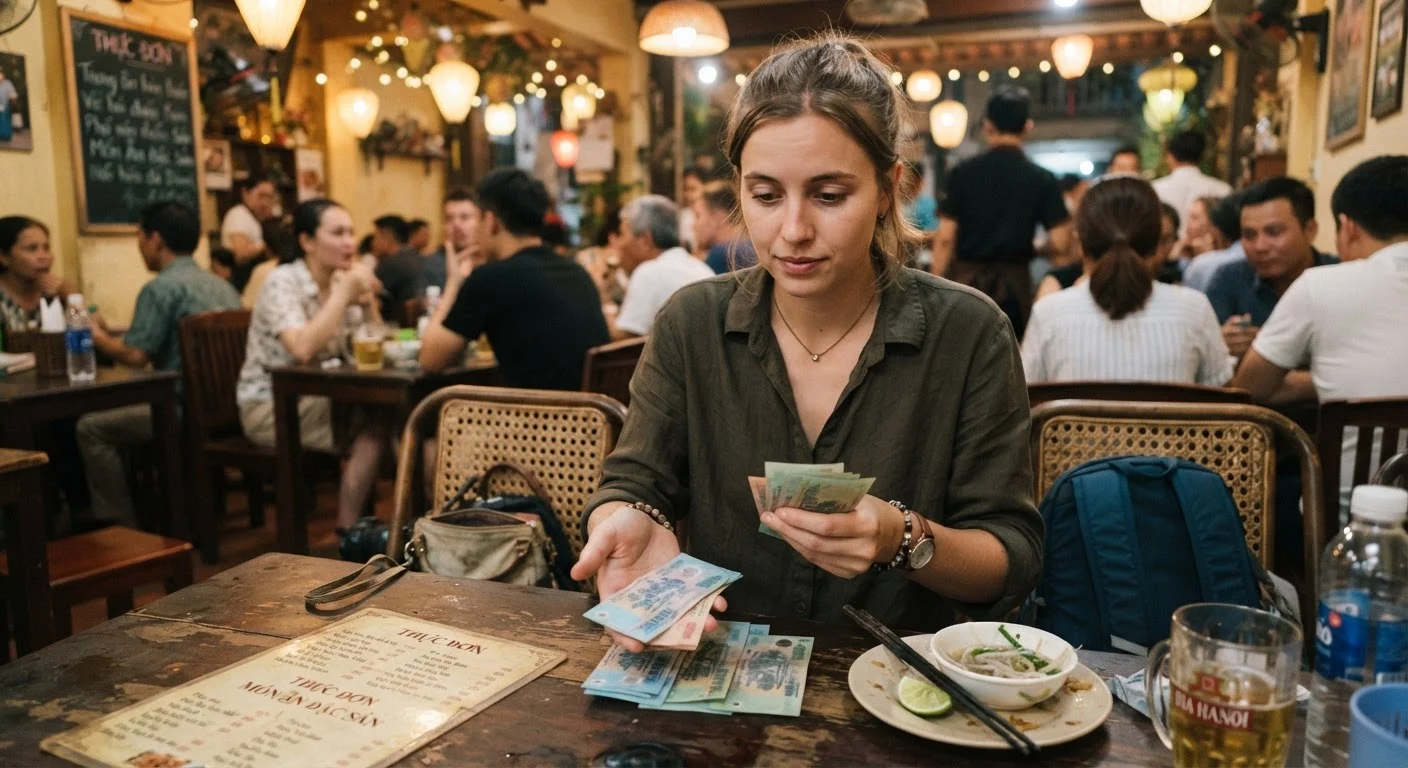
Photo: AskSpecialist.net editorial
Key Takeaways
- Tipping customs vary dramatically by country - what's generous in the U.S. can be considered rude elsewhere.
- In several countries, including Japan and South Korea, tipping is culturally discouraged or outright offensive.
- Service charges on restaurant bills are not always equivalent to a tip left for the server personally.
- Researching local tipping norms before departure is as important as knowing the exchange rate.
- Over-tipping in some destinations can inadvertently disrupt local wage structures and expectations.
Why American Tipping Instincts Don't Travel Well
Americans learn from an early age that tipping is a social contract - 15 to 20 percent at restaurants, a few dollars for hotel housekeeping, a couple of bucks for a cab. This habit is so ingrained that many U.S. travelers simply export it everywhere they go, assuming generosity is universally welcome. It isn't.
The United States operates on a tipping culture because many hospitality workers are legally paid a reduced base wage and depend on gratuities to reach minimum income. That economic structure does not exist in most other countries. Where servers earn a living wage by law, a tip carries a very different meaning - sometimes no meaning at all, and occasionally an insulting one.
For travelers trying to manage real-world expenses, misreading tipping norms can also affect your budget planning. See our guide to building a travel budget that holds up for a fuller picture of where unexpected costs appear.
Myth
Tipping 15-20% at restaurants is a safe baseline worldwide.
Fact
In many countries - including Japan, South Korea, and Iceland - tipping at restaurants is unnecessary and may be refused or considered rude.
The 15-20 percent benchmark is specific to the United States and a handful of other countries with tipped-wage systems. In Japan, offering a tip can be seen as suggesting the server's salary is inadequate - a social slight. In Iceland, where service workers earn strong regulated wages, tips are simply not part of the culture. Applying an American percentage abroad without research is one of the most common travel etiquette errors.
Myth
If a restaurant adds a service charge, I should still leave a cash tip on top.
Fact
A printed service charge is usually a built-in gratuity already allocated to staff - adding more is generally unnecessary.
Service charges in Europe, Australia, and parts of Asia are structured differently from American add-ons. In many cases, they are distributed directly to staff as part of their compensation. Leaving an additional tip on top of a mandatory or automatic service charge is not expected, though rounding up a small amount is rarely unwelcome. Reading the bill carefully - and asking staff if you're unsure - prevents you from over-paying while also ensuring workers get what they're owed.
Myth
In countries where tipping isn't customary, locals still appreciate American-style gratuities.
Fact
In several cultures, attempting to tip can create discomfort, embarrassment, or be outright declined.
Well-intentioned tipping can backfire when it runs counter to local norms. In Japan, some establishments will chase a customer out the door to return forgotten money - they interpret a tip as an error, not a compliment. In South Korea, staff may feel uncomfortable accepting something outside established protocol. The assumption that more money is always a gesture of goodwill reflects a cultural blind spot that respectful travelers are better off correcting before they arrive.
Myth
Tour guides and drivers operate under the same tipping rules as restaurant servers.
Fact
Tipping for guides and drivers often follows different - and sometimes more expected - norms than restaurant tipping, even in non-tipping cultures.
There is a meaningful distinction between service workers in hospitality settings and those in tourism-facing roles. In some countries where restaurant tipping is rare, guides and drivers working in the international tourism sector do commonly receive and expect gratuities - particularly in Southeast Asia, Egypt, and parts of Latin America. This is partly because their income is more directly tied to tourism than to domestic wage structures. Researching norms specifically for guides, drivers, and tour operators in your destination is worth doing separately from restaurant customs.
Myth
Tipping more than locals is a good way to show appreciation and support local workers.
Fact
Sustained over-tipping by tourists can inflate local expectations and create economic imbalances that affect non-tourism workers and communities.
This is a nuanced issue, but travel economists and cultural researchers have noted that when tourist-heavy areas see consistent over-tipping, it can distort local labor markets. Workers may gravitate toward tourism-facing roles for the gratuity income, and local residents who don't tip at the same rate as international visitors may receive noticeably different service. Tipping at locally appropriate rates - rather than defaulting to American standards - is generally the more respectful approach for both workers and communities.
Where Service Charges Create the Most Confusion
A "service charge" printed on a European or Asian restaurant bill is one of the most consistently misread line items in international travel. Many Americans see it and still leave an additional cash tip, not realizing that the charge is already a gratuity - often distributed to staff. Leaving extra isn't always wrong, but it's rarely expected.
70%+
Countries where tipping is not standard practice
Etiquette researchers and international travel organizations broadly estimate that the majority of the world's countries do not have embedded tipping cultures comparable to the United States.
12.5%
Typical discretionary service charge in London restaurants
Many London establishments automatically add a 12.5% service charge to bills, which diners are legally permitted to request be removed if service was unsatisfactory.
In the United Kingdom, for instance, a discretionary service charge of 12.5 percent is common in London restaurants. The word "discretionary" means you can ask for it to be removed if service was poor - something most American travelers don't know they're entitled to do. In France, the service compris notation on a menu means service is included in the price; rounding up a few euros is appreciated but not required.
These distinctions matter more as you plan across multiple destinations. Our breakdown of real Europe trip costs covers how service charges factor into overall spending in ways most itineraries overlook.
Don't Assume "Discretionary" Means Optional to Keep
Adjusting Your Approach Before You Land
The most practical step any traveler can take is researching tipping norms for each destination specifically - not by region in broad strokes, but country by country and sometimes city by city. Customs in Tokyo differ from those in Bangkok; norms in rural Italy can differ from those in Rome's tourist zones.
A few reliable principles apply widely: when in doubt, observe locals; never assume a percentage translates; and treat a gracious "no thank you" when you try to tip as exactly that - not false modesty. Carrying small-denomination local currency also helps in places where cash tips are preferred even when card payment is standard.
Tipping missteps are one of the hidden costs that inflate travel budgets - not because the amounts are large, but because confusion leads to awkward over-tipping or unintended offense. Going in informed is the simplest way to travel with more confidence and cultural respect.
The content on this site is provided for informational purposes only and should not be considered a substitute for professional advice. While we strive to provide accurate and up-to-date information, we make no guarantees regarding its completeness or accuracy. Always consult a qualified professional for advice specific to your circumstances before making any decisions.