
National Park Reservations: Timed Entries, Permits, and What Fills Up Fast

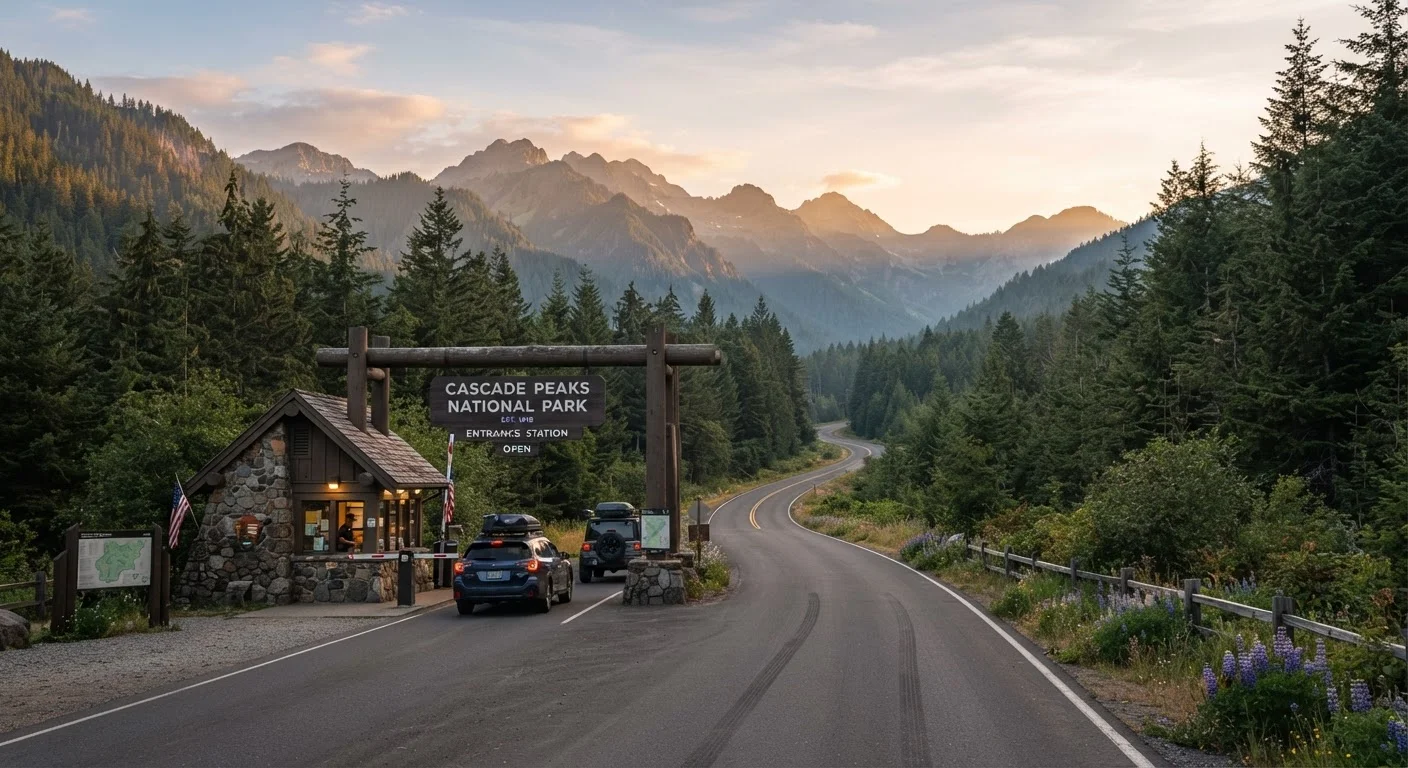
Photo: AskSpecialist.net editorial
Why Reservations Are Now a Planning Essential
Visiting a national park used to mean showing up, paying your entrance fee, and exploring. That model has shifted significantly. Surging visitation - particularly since 2020 - pushed several of the country's most iconic parks to adopt timed entry systems and expanded permit requirements. The goal is to protect natural resources and improve the visitor experience, but for travelers, the effect is clear: planning timelines have lengthened considerably.
This isn't limited to overnight backcountry trips. Day visitors to places like Glacier National Park or Rocky Mountain National Park have needed to secure timed entry reservations just to drive into certain corridors during peak season. Failing to understand these requirements in advance can mean turning away at the gate after a long drive.
The good news is that the systems are navigable once you understand how they work. This reference covers the main types of reservations, what typically fills up fastest, and how to check requirements before you commit to a trip.
Reservation Systems Change Seasonally
Types of Reservations: A Quick Reference
Not all national park reservations are the same. Here are the primary categories you'll encounter:
- Timed Entry Reservations: Required just to enter a park or a specific zone during a defined window. Common at Yosemite, Acadia, and Arches. Usually booked on Recreation.gov months in advance, though some same-day walk-up slots may be available.
- Campground Reservations: Front-country campgrounds at popular parks typically open reservations 6 months in advance. These fill within hours of the release window. First-come, first-served sites exist but are increasingly rare at high-demand parks.
- Wilderness and Backcountry Permits: Required for overnight trips into designated backcountry. Often subject to a lottery system or a first-come, first-served release. Yosemite, Grand Canyon, and Olympic all have separate backcountry permit processes.
- Activity-Specific Permits: Some experiences - such as climbing Half Dome's cables or hiking the Havasupai trail into Havasu Canyon - require their own dedicated permits, entirely separate from a park entry reservation. These often involve lotteries with set application windows.
Timed Entry Permit
A reservation that assigns visitors a specific window of time to enter a park or high-demand area. These are distinct from overnight permits and typically cover day use only.
Wilderness Permit
A permit required to access designated wilderness zones, usually for overnight backcountry camping. Many are subject to a quota system to limit impact on sensitive ecosystems.
Recreation.gov
The primary federal reservation platform used by the National Park Service and other land management agencies to distribute permits, campsites, and timed entry reservations.
Quota System
A management tool that caps the number of visitors allowed into a specific area per day or time slot, intended to protect natural resources and visitor experience.
Walk-Up Availability
Permits or entries that are not reserved in advance and are distributed in person on the day of the visit, often first-come, first-served.
Release Window
The specific date and time when reservation slots become available to book, often months in advance. Missing a release window significantly reduces your odds of securing popular permits.
If you're weighing how a national park trip compares in planning complexity to an international trip, see our comparison of domestic parks vs. international destinations for a broader look at the trade-offs.
| Primary Booking Platform | Recreation.gov (National Park Service) |
| Typical Advance Release Window | 1 to 6 months before visit date (Varies by park and permit type) |
| Parks Using Timed Entry | Includes Yosemite, Glacier, Acadia, Rocky Mountain, and others (NPS, varies by season) |
| Most Common Walk-Up Slots | Released 1-2 days before the visit date (Recreation.gov lottery and cancellation policies) |
| Lottery vs. First-Come | Some parks use a lottery; others are first-come, first-served (Check individual park pages on NPS.gov) |
| Fee for Reservations | Typically $1-$10 per reservation (not per vehicle) (Recreation.gov, fees subject to change) |
What Fills Up Fastest - and How to Improve Your Odds
Understanding the release timeline is the single most important variable. Most Recreation.gov reservations become available at a set time, typically early morning Mountain Time, either on a rolling daily basis or at a fixed date months out. Checking the specific park's reservation page well before your intended visit date is essential.
Highest-demand items (book or apply immediately at release):
- Half Dome Day Hike Permit (Yosemite) - lottery, spring application window
- Havasupai Falls Permit - lottery, fills within minutes of release
- Glacier's Going-to-the-Sun Road vehicle reservation - drops in batches, sells quickly
- Popular front-country campsites at Yellowstone, Yosemite, and Zion
Practical strategies to improve availability:
- Set a calendar reminder for the exact release date and time for your target park.
- Check for cancellations: Recreation.gov releases cancelled slots, and third-party alert tools can notify you of openings.
- Be flexible on entry time slots - early morning windows often have more availability than midday.
- Consider traveling in the shoulder season, when reservation requirements may be relaxed or lifted entirely and competition for spots decreases meaningfully.
325+
National Park units in the U.S.
The National Park System encompasses over 425 sites total; roughly 325 are managed park units. Not all require reservations.
~4 million
Annual visitors to Yosemite
Yosemite consistently ranks among the most-visited parks and was among the first to implement seasonal timed entry reservations.
2-6 months
Advance booking lead time for popular permits
High-demand permits such as Half Dome cables and the Havasupai trail can sell out within minutes of their release window opening.
Reservation rules, fees, and availability vary by park and season. Always confirm current requirements on NPS.gov and Recreation.gov before finalizing your travel plans.
The content on this site is provided for informational purposes only and should not be considered a substitute for professional advice. While we strive to provide accurate and up-to-date information, we make no guarantees regarding its completeness or accuracy. Always consult a qualified professional for advice specific to your circumstances before making any decisions.