
Trip Planning

The Pre-Departure Checklist Every Traveler Should Work Through

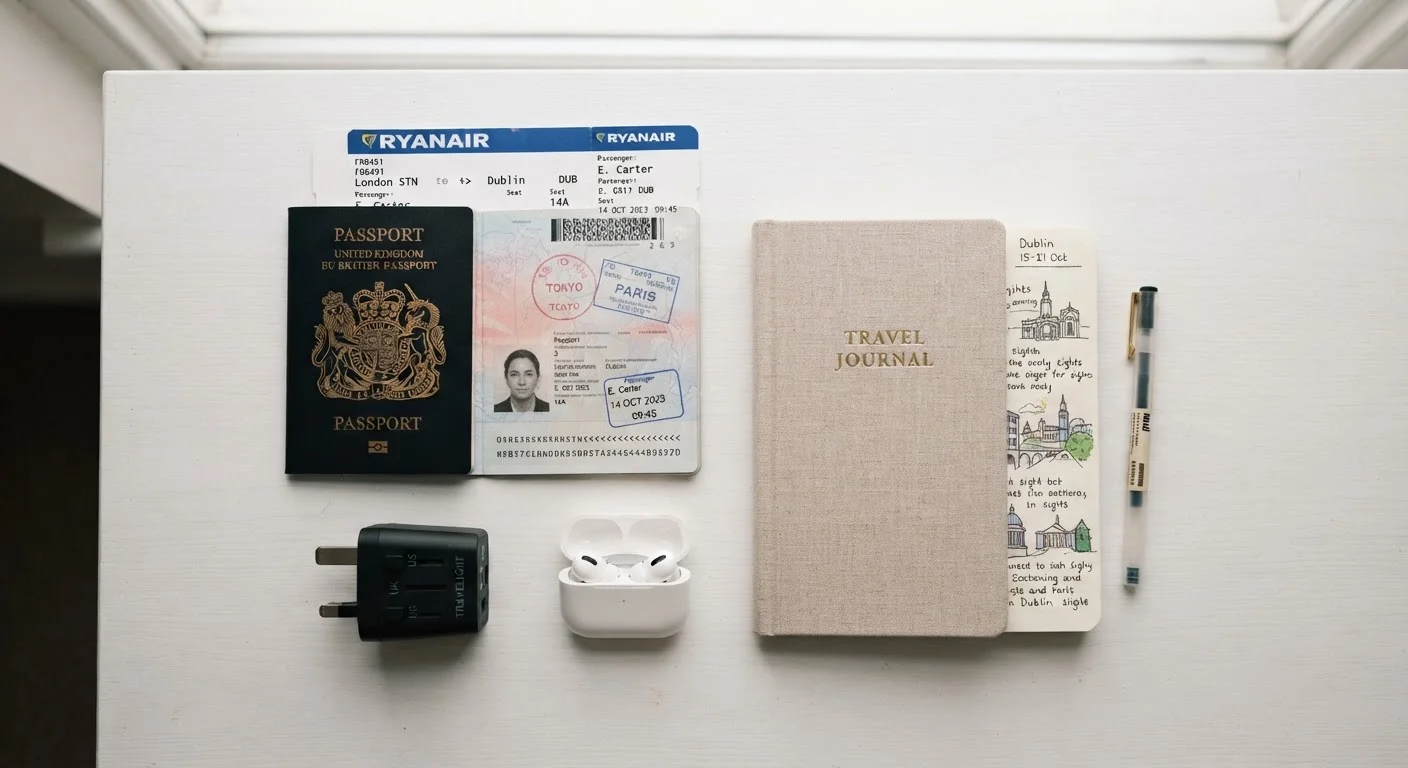
The Pre-Departure Checklist Every Traveler Should Work Through

Photo: AskSpecialist.net editorial

A systematic checklist covering documents, logistics, home prep, and health considerations to work through before any trip.

Key Takeaways

  • Passport validity requirements vary by country — check well before your departure date.
  • Home security and financial account prep are commonly overlooked pre-departure steps.
  • Health considerations, including vaccinations, should be addressed weeks or months in advance.
  • A printed backup of key documents can save significant trouble if your phone is lost or stolen.
  • Notifying your bank and locking non-essential accounts helps protect your finances abroad.

Why a Pre-Departure Checklist Actually Matters

Most travel stress doesn't happen at the destination — it happens in the 48 hours before departure when something essential gets missed. A forgotten visa requirement, an expired passport, or an unlocked house can unravel even the most carefully planned trip. Working through a structured checklist before you leave transforms last-minute panic into quiet confidence.

This checklist is designed to cover the four main pillars of pre-trip preparation: documents and entry requirements, logistics and packing, home and personal security, and health and wellness prep. Whether you're heading somewhere domestic or international, these categories apply — though international travel adds more complexity to nearly every one of them.

If you're planning a trip from scratch and want a broader framework, see our international trip planning guide for a step-by-step walkthrough from booking through arrival. For destination-specific context, browse our destinations hub for practical, grounded overviews.

Documents and Entry Requirements

Verify your passport is valid for at least six months beyond your return date, as many countries enforce this rule strictly at entry. Must
Research and apply for any required visas well in advance, using your destination country's official government or embassy website. Must
Make physical photocopies and secure digital scans of your passport, visa, travel insurance policy, and itinerary. Must
Confirm any entry requirements — including proof of onward travel or accommodation — that border agents may request. Should
Register your trip with the U.S. State Department's STEP program (Smart Traveler Enrollment Program) for international destinations. Should

Logistics and Packing

Confirm all flight, hotel, and ground transportation reservations and save confirmation numbers in an easily accessible offline format. Must
Check your airline's current baggage policies and fees before packing to avoid surprises at check-in. Must
Pack any prescription medications in their original labeled containers and carry them in your carry-on luggage, not checked bags. Must
Verify that your power adapters and voltage converters are compatible with your destination's electrical standards. Should
Download offline maps, translation tools, or destination guides to your phone in case of limited connectivity. Should
Pack a small, labeled card with emergency contacts, blood type, and known allergies in case of a medical situation. Nice to have

Financial and Account Security

Notify your bank and credit card providers of your travel dates and destination to prevent fraud-triggered card blocks. Must
Identify which of your cards charge foreign transaction fees and plan to use a no-fee card as your primary option abroad. Should
Set up account alerts and lock or freeze any cards you won't be traveling with. Should
Carry a modest amount of local currency for immediate arrival needs, such as transportation or tips, before you can access an ATM. Nice to have

Home and Personal Security

Arrange for mail and package holds or have a trusted person collect them so your home doesn't signal an extended absence. Must
Confirm that all doors, windows, and garage entrances are locked before leaving, and double-check smart lock or alarm settings. Must
Share your itinerary and emergency contacts with at least one trusted person who can be reached if something goes wrong. Should
Unplug non-essential appliances and set thermostats to an efficient but safe temperature for the duration of your trip. Nice to have

Health and Wellness Preparation

Consult a healthcare provider or travel medicine clinic well in advance about recommended or required vaccinations for your destination. Must
Review your travel insurance policy to understand what medical coverage applies abroad and whether emergency evacuation is included. Must
Pack a basic first aid kit with bandages, pain relievers, antidiarrheal medication, and any personal health supplies you rely on. Should
Research the nearest hospital or clinic to your primary accommodations in case of a non-emergency medical need. Nice to have

Tools That Make the Process Easier

You don't need anything elaborate to work through this checklist effectively. A few key resources, most of them free, can help you verify requirements, stay organized, and travel more securely.

Required

U.S. State Department Travel Website (travel.state.gov)

Look up entry requirements, current travel advisories, and passport renewal timelines for any destination.

Required

CDC Traveler's Health Portal (wwwnc.cdc.gov/travel)

Review destination-specific vaccination recommendations and health notices before consulting your doctor.

Required

Secure cloud storage or password manager

Store encrypted digital copies of your passport, visa, and insurance documents for access anywhere.

Optional

Offline maps app (e.g., Google Maps offline, Maps.me)

Download destination maps before departure so you can navigate without a data connection.

Optional

Smart Traveler Enrollment Program (STEP)

Register international trips with the U.S. embassy so you can receive alerts and assistance if needed.

Don't Rely Solely on Digital Copies

A phone that's lost, stolen, or out of battery at the wrong moment can leave you without access to critical information. Always carry at least one set of printed backup documents — including your passport photo page, travel insurance policy number, and hotel addresses. Store these separately from your primary bag.

Once you've confirmed your documents, logistics, and home security, give yourself one final pass through each section the evening before departure. It takes under 15 minutes and consistently catches the things that slip through during the busier prep days.

Thorough pre-trip preparation shares a mindset with other kinds of smart planning. The same principle behind a homebuying readiness checklist — verifying your paperwork and priorities before taking action — applies just as well to travel.

Travel Editorial Team

AskSpecialist.net

Travel Editorial Team is the collective byline for our editorial team and contributor network. Articles published under this byline or an editorial pen name are researched, written, and reviewed according to our editorial standards for clarity, consistency, and independence before publication.

Trip PlanningDestinationsTravel Tips
View author profile

The content on this site is provided for informational purposes only and should not be considered a substitute for professional advice. While we strive to provide accurate and up-to-date information, we make no guarantees regarding its completeness or accuracy. Always consult a qualified professional for advice specific to your circumstances before making any decisions.