
How a Pre-Purchase Inspection Works and Why It Matters for Used Cars

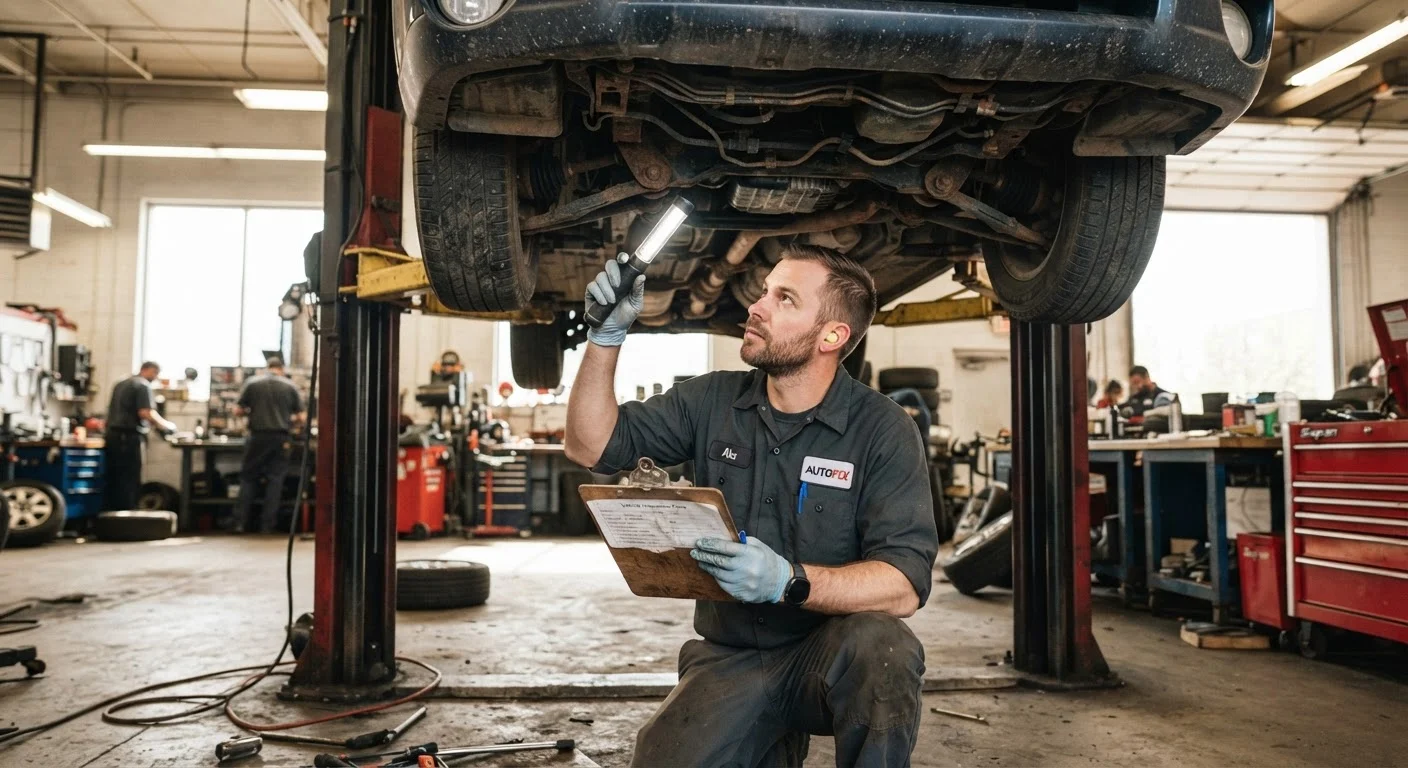
Photo: AskSpecialist.net editorial
Key Takeaways
- A pre-purchase inspection (PPI) is conducted by an independent mechanic before you buy a used car.
- It typically costs $100-$200 and can reveal problems worth thousands of dollars in repairs.
- Any reputable seller - private or dealer - should allow you to arrange a PPI.
- The inspection covers mechanical, structural, and safety systems that a test drive won't expose.
- PPI findings give you negotiating leverage or a clear reason to walk away.
What a Pre-Purchase Inspection Actually Is
A pre-purchase inspection (PPI) is a physical examination of a used vehicle performed by a mechanic you choose and pay for - before you hand over any money. It's not the same as a dealership's internal inspection or a cursory once-over in a parking lot. A proper PPI involves putting the car on a lift, running a diagnostic scan, and systematically checking every major system.
The core purpose is simple: used cars come with unknown history, and sellers - whether private individuals or dealerships - have an inherent interest in presenting the car favorably. An independent mechanic has no stake in whether you buy the car. Their job is just to tell you what they find.
If you're still weighing used versus new, see our breakdown of how the two decisions differ - a PPI becomes much more relevant once you've landed on used.
Independent mechanic or auto repair shop
Performs the physical inspection of the vehicle - must have no financial relationship with the seller.
Vehicle history report
Provides background on accidents, title status, and ownership history before the mechanic even lifts the hood.
OBD-II scanner
Reads stored fault codes from the car's onboard diagnostic system; many mechanics include this in the inspection.
Written inspection report
Documents the mechanic's findings in detail - essential for negotiating with the seller afterward.
What to Expect During the Inspection
Most inspections take one to two hours and cost between $100 and $200, though prices vary by region and shop. Some specialty shops or dealerships charge more for particular makes. That fee is yours to pay regardless of whether you buy the car - think of it as the cost of due diligence, not a deposit on the vehicle.
The mechanic will examine the car inside and out, on the ground and on a lift. They'll check for fluid leaks, measure brake and tire wear, look for rust or frame damage, test electrical systems, and plug in an OBD-II scanner to pull any stored fault codes. Fault codes can reveal engine or emissions problems that haven't yet triggered a visible dashboard warning light.
You'll receive a written report at the end. This document is your record of what was found - and your tool for any price negotiation that follows.
Negotiating With Inspection Findings
For a broader view of what responsible car buying looks like before you ever reach this step, the pre-purchase checklist for car buyers covers everything from budgeting to financing groundwork.
Step-by-Step: How to Arrange and Use a PPI
Follow these steps in order. Each one builds on the previous, and skipping any of them weakens the process.
What you will need
Pull the vehicle history report first
Before scheduling an inspection, run the car's VIN through a vehicle history service. This tells you about reported accidents, title issues (such as salvage or flood damage), past owners, and odometer readings. A history report won't catch everything, but it can reveal red flags that save you the inspection fee entirely if the car's background is problematic.
Find a qualified independent mechanic
The mechanic must be independent - meaning no connection to the seller, dealership, or anyone profiting from the sale. Ask friends or family for referrals, check reviews for local shops, or look for ASE-certified technicians in your area. Many shops offer PPI services as a standard service; call ahead to confirm they perform them and ask about their process and fee.
Get the seller's agreement and arrange logistics
Ask the seller directly for permission to take the car to an independent shop. A private seller or dealer who refuses is a significant warning sign - it suggests they may know about problems they'd rather you not discover. Agree on a time window, confirm who drives the car to the shop (usually you or the seller accompanies you), and clarify that you're paying for the inspection regardless of outcome.
Know what the inspection covers
A thorough PPI should include at minimum:
- Engine and transmission: fluid condition, leaks, unusual noises, shifting behavior
- Brakes and suspension: pad wear, rotor condition, shock absorbers, steering components
- Tires: tread depth, even wear patterns (uneven wear can signal alignment or suspension problems)
- Body and frame: evidence of past collisions, rust, panel gaps indicating bodywork
- Electrical systems: lights, windows, HVAC, and infotainment
- OBD-II scan: stored diagnostic trouble codes that may not yet trigger a warning light
- Undercarriage: rust, leaks, exhaust condition
The mechanic will put the car on a lift for a full undercarriage look - something no parking-lot walkaround can replicate.
Review the written report and decide your next step
Get the findings in writing. A good inspection report itemizes each system checked and notes the condition - pass, monitor, or needs repair. Review it carefully and consider three possible outcomes:
- Clean inspection: Proceed with confidence, though no inspection guarantees a problem-free future.
- Minor issues found: Use the estimated repair costs to negotiate the purchase price down.
- Major problems found: Seriously consider walking away. Significant structural damage, engine or transmission issues, or signs of flood damage are rarely worth the risk.
Skipping the PPI is one of the most frequently cited mistakes buyers regret - our article on common first-time buyer mistakes covers this and other costly missteps in more detail.
Never Skip the PPI to Speed Up a Sale
When the Findings Point to Real Problems
Not every inspection will come back clean, and that's exactly the point. If the mechanic flags something serious - evidence of a prior collision that wasn't in the history report, signs of flood damage, or a transmission that's slipping - you have a clear decision to make.
Frame it this way: the inspection fee is small relative to the cost of buying a car with a hidden $3,000 repair lurking in the engine. A PPI that causes you to walk away from a bad deal has paid for itself many times over.
Salvage and Rebuilt Titles Require Extra Scrutiny
Ongoing maintenance literacy also helps you interpret inspection findings in context. The car maintenance hub is a useful resource for understanding what different systems do and how often they typically need attention.
This article is for general informational purposes only and does not constitute financial, legal, or professional automotive advice. Costs, inspection scope, and local regulations vary. Always consult a qualified mechanic and review any vehicle purchase agreement carefully before signing.
The content on this site is provided for informational purposes only and should not be considered a substitute for professional advice. While we strive to provide accurate and up-to-date information, we make no guarantees regarding its completeness or accuracy. Always consult a qualified professional for advice specific to your circumstances before making any decisions.