
Car Maintenance From Start to Finish: Everything an Everyday Driver Needs to Know

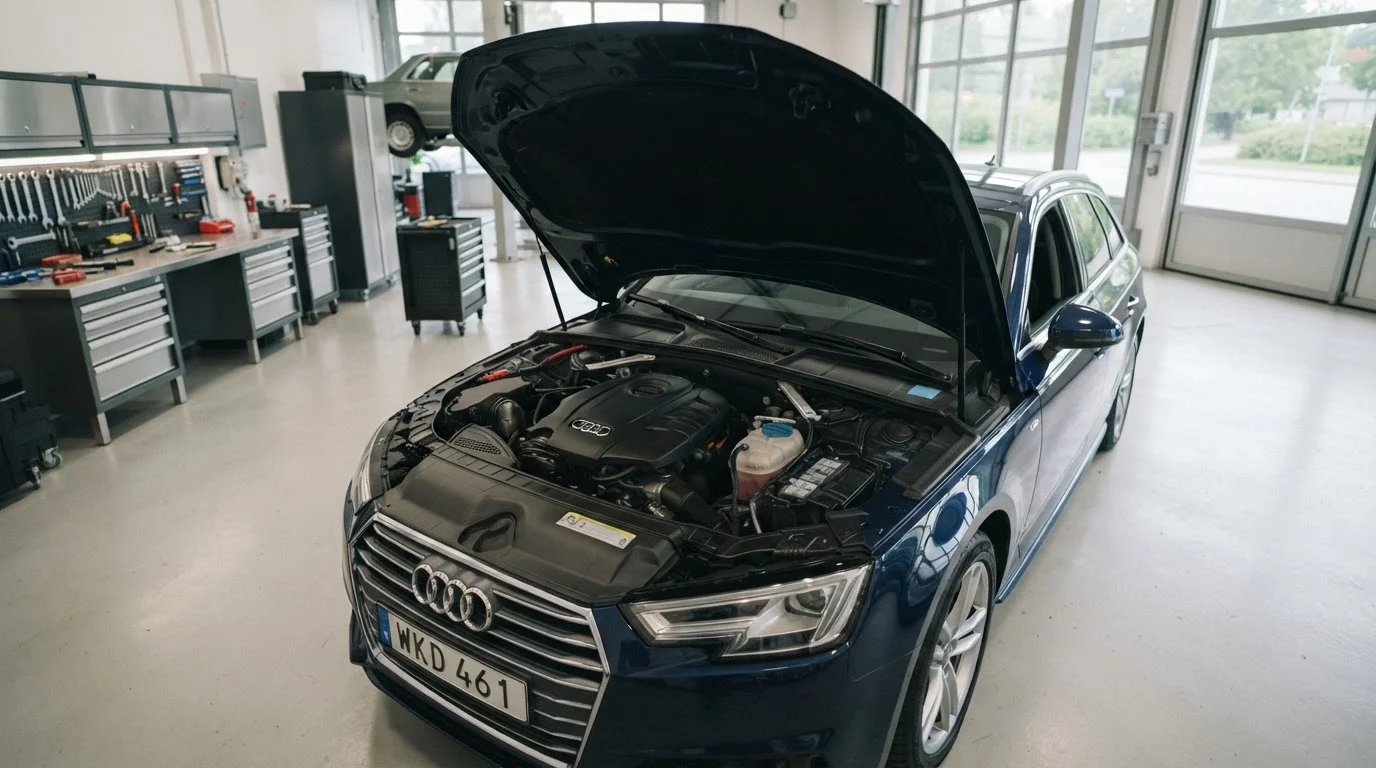
Photo: AskSpecialist.net editorial
Key Takeaways
- Following your owner's manual maintenance schedule is the single most effective thing you can do for your car's longevity.
- Checking tire pressure monthly can improve fuel economy and prevent blowouts.
- Most fluid checks take under five minutes and require no tools.
- Brake squealing is a warning sign - don't delay getting it inspected.
- Some maintenance tasks are safe for DIY; others should always go to a qualified mechanic.
Why Maintenance Actually Matters
Most car problems don't appear out of nowhere. They build slowly - a neglected oil change, a worn belt that was never replaced, tires that hadn't been rotated in years. Routine maintenance is how you catch those problems before they become expensive repairs or, worse, a breakdown on the highway.
There's also a financial case. Vehicles that are serviced on schedule tend to hold their value better, pass emissions and safety inspections more reliably, and cost less to own over time. If you're thinking about your next vehicle, understanding how maintenance affects resale is a useful starting point - see our car buying guidance for context.
The goal of this guide is to give everyday drivers a clear, honest picture of what maintenance involves - no jargon, no upselling, just the information you need to make smart decisions about your vehicle.
Your Maintenance Schedule at a Glance
Every car comes with an owner's manual that includes a manufacturer-recommended maintenance schedule. That document is your primary reference - it's written specifically for your vehicle's engine, transmission, and systems. General schedules are useful for orientation, but the manual wins whenever there's a conflict.
That said, here's a practical framework most passenger vehicles follow:
- Every month: Check tire pressure and inspect for visible damage. Glance at fluid levels under the hood.
- Every 3,000-7,500 miles: Oil and oil filter change (interval depends on whether you use conventional or synthetic oil - check your manual).
- Every 6 months or 6,000 miles: Rotate tires, inspect brakes, check battery terminals.
- Every 12 months or 12,000 miles: Inspect air filters (engine and cabin), check belts and hoses, test lights and wipers.
- Every 30,000 miles: Replace air filters, inspect spark plugs, check transmission fluid and coolant levels.
- Every 60,000-100,000 miles: Replace timing belt (if applicable), spark plugs, and major fluid flushes.
Set a recurring reminder on your phone tied to your odometer reading, not just the calendar. Many drivers forget oil changes because months pass without reaching the mileage threshold - or vice versa.
Keep a small notebook or digital note in your glove box logging every service date, mileage, and what was done. This record is also valuable evidence if you ever sell the vehicle.
Fluids: The Lifeblood of Your Car
Your car relies on six primary fluids, each doing a distinct job. Running low on any of them - or ignoring changes in color or smell - can cause serious damage.
- Engine oil: Lubricates moving parts and reduces heat from friction. Dark black oil is fine; milky or gritty oil signals a problem.
- Coolant (antifreeze): Regulates engine temperature. Should be checked when the engine is cold - never open the coolant cap on a hot engine, as pressurized fluid can cause burns.
- Brake fluid: Transmits the pressure from your brake pedal to the brakes themselves. Low or dark fluid needs attention.
- Transmission fluid: Keeps the gearbox running smoothly. Many automatic transmissions have a dipstick; others are sealed and require a shop visit.
- Power steering fluid: Assists steering effort. Whining during turns can indicate a low or degraded supply.
- Windshield washer fluid: The only fluid you can safely top off yourself without any mechanical knowledge.
For a deeper look at what each fluid does and how to read warning signs, check our plain-English guide to car fluids.
Tires: Safety Starts at the Ground
Tires are the only part of your car that actually touches the road, which makes their condition a direct safety issue. The key things to monitor are pressure, tread depth, and wear patterns.
Pressure: Measured in PSI (pounds per square inch). The correct pressure for your vehicle is listed on a sticker inside the driver's door jamb - not on the tire itself. Check pressure when tires are cold (the car hasn't been driven in at least three hours) for an accurate reading.
Tread depth: A quick test is the penny method - insert a penny into a tread groove with Lincoln's head facing down. If you can see the top of Lincoln's head, the tread is too worn and the tire should be replaced.
Wear patterns: Uneven wear across the tire's width often signals an alignment or inflation issue. Edge wear suggests chronic under- or over-inflation. Cupping (scalloped dips around the tread) can indicate worn shock absorbers.
Never Ignore Tire Pressure Warning Lights
Rotation - moving tires from front to back (and sometimes side to side) - evens out wear and extends tire life. Most vehicles benefit from rotation every 5,000-7,500 miles.
Brakes: What to Listen and Look For
Brakes are the most safety-critical system on your vehicle. The good news is that they're designed to give you warning before they fail completely.
Sounds: A high-pitched squeal when braking is usually a wear indicator - a small metal tab built into the brake pad that rubs against the rotor to alert you it's time for replacement. A grinding noise means the pad material is gone and metal is contacting metal. Stop driving and get the brakes inspected immediately if you hear grinding.
Feel: A spongy or soft brake pedal (one that sinks further than usual before engaging) can signal air in the brake lines or low brake fluid. A pulsing sensation under your foot when braking often means warped rotors.
Visual check: Through the spokes of most wheel designs, you can see the brake rotor (the large disc) and the caliper (the clamp that squeezes the pads against the rotor). Heavily grooved or rusted rotors visible through the wheel are worth having a mechanic inspect.
As a general guide, brake pads typically need replacement every 25,000-65,000 miles, depending on driving habits and vehicle type - city driving is harder on brakes than highway miles.
When to DIY and When to Call a Pro
Not every maintenance task requires a professional, but some absolutely do. Being honest about your skill level and available tools prevents small jobs from becoming big problems.
Reasonable DIY tasks for most drivers:
- Checking and topping off fluids (except brake and transmission on sealed systems)
- Replacing windshield wiper blades
- Swapping out cabin air filters (usually accessible behind the glove box)
- Checking tire pressure and inflating tires
- Replacing a dead battery (if you're comfortable disconnecting terminals safely)
Always leave these to a qualified mechanic:
- Brake pad or rotor replacement
- Timing belt or chain service
- Transmission work
- Suspension or steering repairs
- Any work involving the fuel system
If a warning light comes on your dashboard and you're unsure what it means, don't ignore it. A mechanic can read the diagnostic trouble code (a standardized number your car's computer generates) with a simple scanner - many auto parts stores offer this for free - to tell you exactly what system triggered the alert.
This article is for general informational purposes only. Always consult your vehicle's owner's manual and, where appropriate, a qualified mechanic before performing any maintenance task.
The content on this site is provided for informational purposes only and should not be considered a substitute for professional advice. While we strive to provide accurate and up-to-date information, we make no guarantees regarding its completeness or accuracy. Always consult a qualified professional for advice specific to your circumstances before making any decisions.