
Under the Hood: A Plain-English Guide to Your Car's Essential Fluids

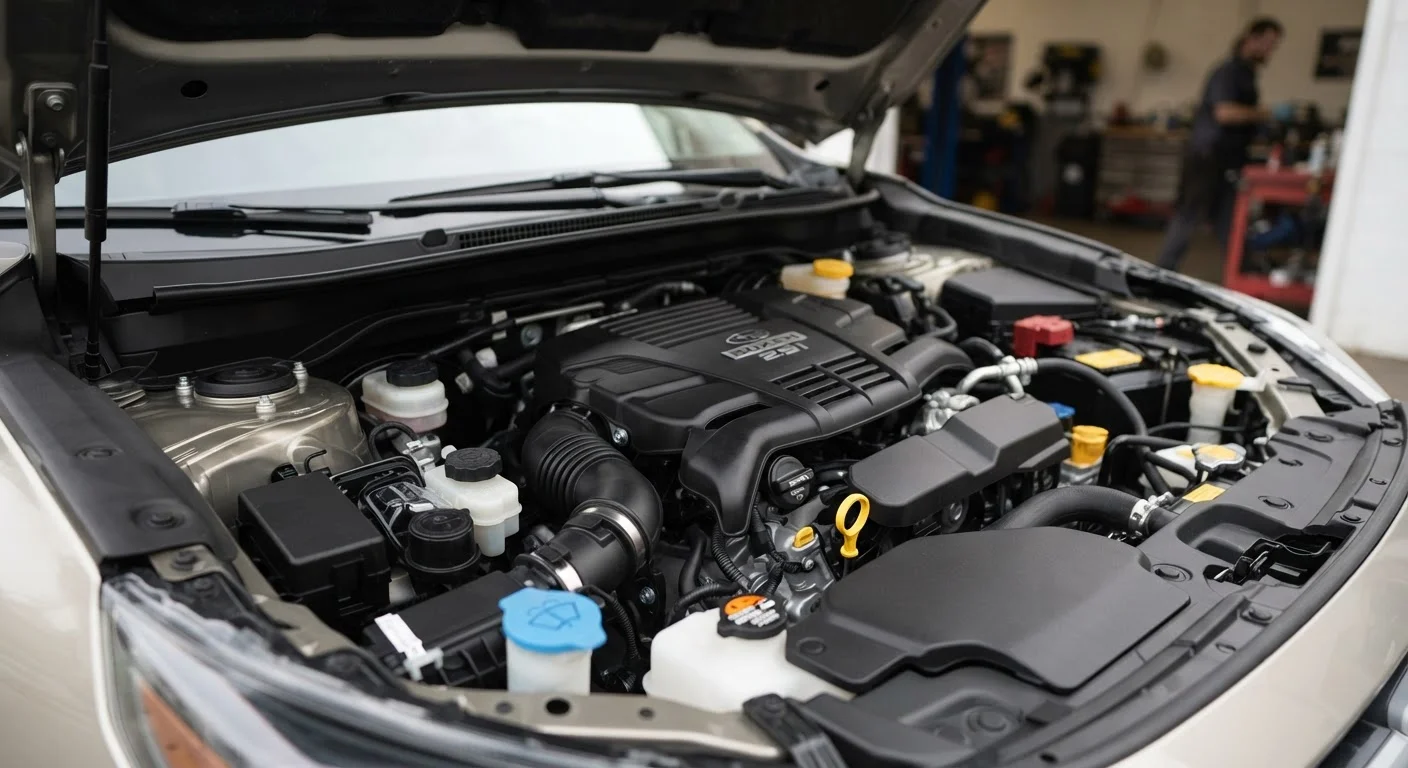
Photo: AskSpecialist.net editorial
Key Takeaways
- Your car relies on six key fluids - neglecting any one of them can cause serious mechanical damage.
- Most fluid checks take under five minutes and require no tools beyond a clean rag.
- Color and smell are reliable early-warning signals that a fluid needs attention.
- Your owner's manual specifies the exact fluid types and change intervals for your vehicle.
- Some fluid tasks are safe for DIY; others - like brake fluid flushes - are better left to a professional.
Why Fluids Matter More Than Most Drivers Realize
Your car is essentially a collection of metal parts moving at high speed under intense heat and pressure. Fluids are what keep those parts from destroying each other. They lubricate, cool, transmit force, and protect - often all at once. When fluid levels drop or fluid quality degrades, the damage can be swift and expensive.
The good news: checking your fluids is one of the easiest maintenance tasks you can do. No mechanic certification required. Most checks take a few minutes, and catching a problem early is almost always cheaper than fixing what happens when you don't. For a broader look at what to stay on top of throughout the year, see our seasonal car maintenance checklist.
The Six Essential Fluids and What They Do
Understanding what each fluid actually does makes it easier to remember why it matters.
Hydraulic fluid
A liquid that transmits force through a closed system of pipes or hoses. In cars, brake fluid and power steering fluid work this way - pressing the pedal or turning the wheel sends pressure through the fluid to do the mechanical work.
Dipstick
A long, thin metal rod inserted into a fluid reservoir - most commonly the engine oil - that you pull out to check the fluid level and condition by reading the markings on the end.
Coolant / Antifreeze
A liquid mixture (usually water and ethylene glycol) that circulates through your engine to regulate temperature, preventing both overheating in summer and freezing in winter.
Fluid flush
A maintenance service where old fluid is completely drained from a system and replaced with fresh fluid - as opposed to just topping off the existing fluid.
Firewall
The metal wall that separates the engine compartment from the passenger cabin. Several fluid reservoirs, including the brake fluid container, are typically mounted near it.
Viscosity
A measure of how thick or thin a fluid is. Engine oil viscosity ratings (like 5W-30) tell you how the oil flows at different temperatures - thinner oils flow more easily in cold weather.
Engine Oil
Oil lubricates the moving parts inside your engine, reducing friction and carrying heat away from critical components. It also helps suspend contaminants so they don't grind against metal surfaces. Oil degrades over time and picks up debris, which is why regular changes are necessary. For details on reading your oil and knowing when a change is actually due, see our guide on oil change intervals.
Coolant (Antifreeze)
Coolant circulates through your engine and radiator, absorbing heat and releasing it through the radiator. It also prevents freezing in winter and boiling in summer. Running low on coolant is one of the fastest ways to overheat an engine.
Brake Fluid
When you press the brake pedal, brake fluid transmits that force through the brake lines to the calipers and pads. It's a hydraulic fluid, meaning your brakes literally won't work properly without it. Brake fluid absorbs moisture over time, which lowers its boiling point and reduces effectiveness.
Transmission Fluid
Transmission fluid lubricates the gears and components inside your transmission, whether automatic or manual. It also acts as a hydraulic fluid in automatic transmissions, enabling gear changes. Low or degraded transmission fluid leads to rough shifting and, eventually, transmission failure.
Power Steering Fluid
This fluid powers the hydraulic system that makes turning your steering wheel feel effortless. Note: many newer vehicles use electric power steering, which doesn't require this fluid at all - check your owner's manual.
Windshield Washer Fluid
The only fluid on this list that isn't safety-critical in a mechanical sense - but running out mid-drive in dirty or icy conditions is a real visibility hazard. Use a proper washer fluid rated for your climate; plain water can freeze in the reservoir and lines.
How to Check Your Fluids (Without Getting It Wrong)
Before you open the hood, make sure the engine is cool and the car is parked on level ground. An uneven surface throws off dipstick readings. A hot engine can cause coolant reservoirs to be pressurized - opening them can result in burns.
Use Your Owner's Manual as Your Fluid Guide
Engine Oil
Pull out the dipstick (usually marked with a bright-colored handle), wipe it clean with a rag, reinsert it fully, then pull it again. The oil level should fall between the two marks at the bottom of the dipstick. Also note the color and consistency.
Coolant
Check the translucent plastic reservoir near the radiator - you don't need to open the radiator cap. The level should be between the MIN and MAX lines. Do not open the radiator cap when the engine is hot.
Brake Fluid
The brake fluid reservoir is a small plastic container near the firewall (the wall between engine and cabin). The level should be between MIN and MAX. If it's consistently low, that warrants a mechanic's inspection - it can signal a leak or worn brake pads.
Other Fluids
Transmission fluid, power steering fluid, and washer fluid each have their own labeled reservoirs or dipsticks. Your owner's manual will show you exactly where each one is located for your specific vehicle - don't skip this resource.
Color and Condition: What Your Fluids Are Telling You
Fluid color is one of the most useful diagnostic signals available to a non-mechanic. Here's a quick reference:
| Fluid | Healthy Color | Warning Signs |
|---|---|---|
| Engine Oil | Amber to light brown | Black, gritty, or milky/foamy |
| Coolant | Green, orange, or pink (by type) | Brown, rusty, or oily film on surface |
| Brake Fluid | Clear to pale yellow | Dark brown or black |
| Transmission Fluid | Bright red | Dark red, brown, or burnt smell |
| Power Steering Fluid | Clear, pink, or light amber | Dark, foamy, or burnt smell |
If you spot fluid pooling under your parked car, the color and location can help identify the source. Red or brown near the center or rear often suggests transmission or differential fluid. Bright green or orange near the front points to coolant. A clear or light fluid near the front wheels could be brake fluid - which warrants immediate attention.
Dashboard warning lights are another layer of the same system. Our guide to car warning lights decoded explains which symbols need same-day action versus a scheduled service visit.
When to DIY and When to Call a Mechanic
Checking fluid levels is well within reach for most drivers. Topping off washer fluid, adding coolant to the reservoir, or adding a quart of the correct engine oil are similarly straightforward - provided you use the right product for your vehicle.
However, some fluid-related tasks carry real risk if done incorrectly:
- Brake fluid flushes involve bleeding air from the brake lines. Doing this wrong can compromise braking. Have a qualified mechanic handle it.
- Transmission fluid changes can be DIY-friendly on some vehicles but require specific procedures and fluid types. Mistakes are costly.
- Coolant flushes involve draining and disposing of coolant safely - it's toxic to animals and requires proper disposal.
When in doubt, a trusted mechanic is the right call. The investment in a professional service is almost always less than the repair bill for a mistake. For a fuller picture of how all these components fit into long-term car ownership, our complete car maintenance guide covers schedules, parts lifespan, and when to seek professional help.
Frequently Asked Questions
The content on this site is provided for informational purposes only and should not be considered a substitute for professional advice. While we strive to provide accurate and up-to-date information, we make no guarantees regarding its completeness or accuracy. Always consult a qualified professional for advice specific to your circumstances before making any decisions.