
Seasonal Hair Changes: Why Your Hair Behaves Differently in Winter and Summer

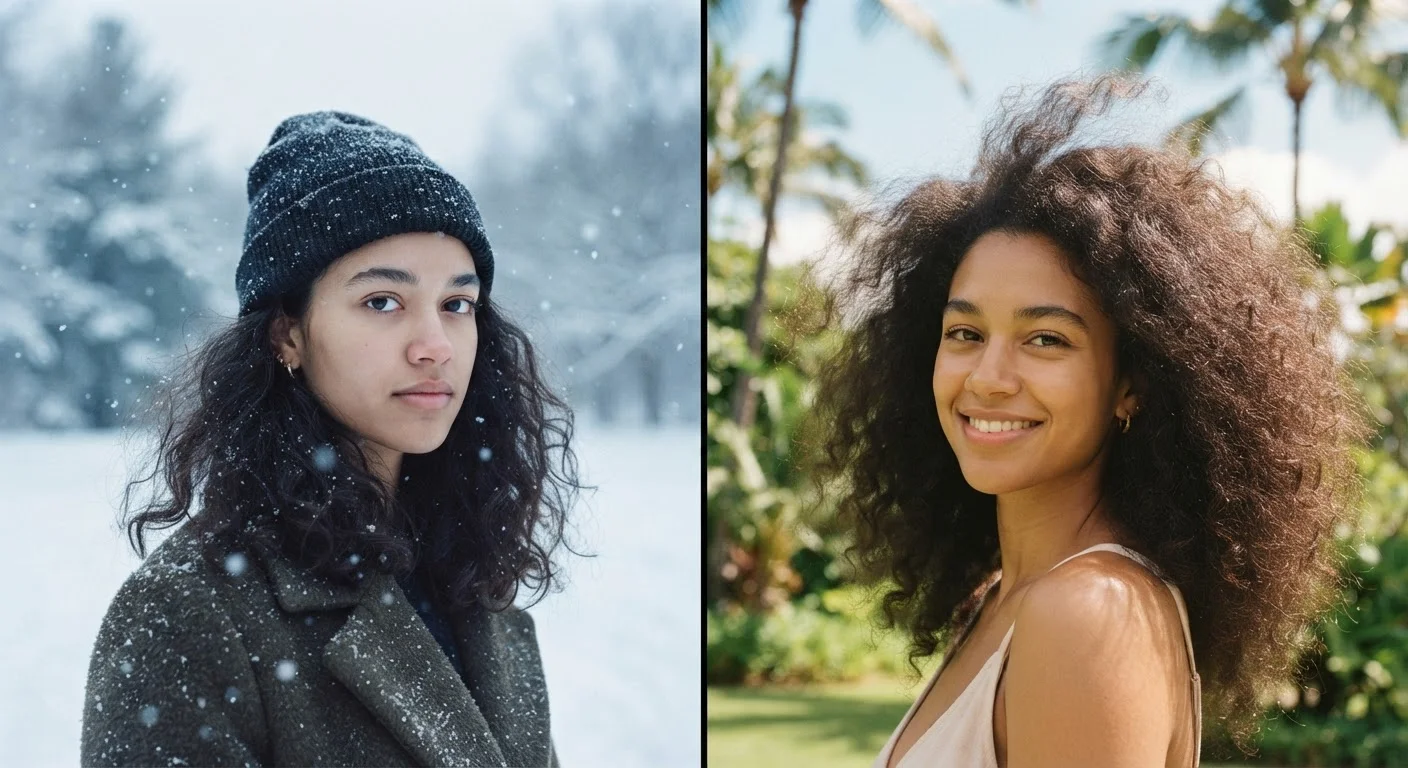
Photo: AskSpecialist.net editorial
Key Takeaways
- Hair absorbs and releases moisture based on surrounding humidity, explaining frizz in summer and brittleness in winter.
- Cold, dry air strips moisture from the hair shaft, leading to static, breakage, and a dull appearance.
- UV radiation in summer degrades hair proteins and can fade color, similar to how it affects skin.
- Scalp oil production can change seasonally, affecting how often you need to wash your hair.
- Adjusting your products and routine twice a year - not just when problems arise - keeps hair healthier overall.
What the Environment Actually Does to Your Hair
Hair may look static, but it's constantly interacting with its surroundings. The outer layer of each strand - called the cuticle - is made up of overlapping scale-like cells that open or close in response to moisture, heat, and pH. This physical responsiveness is what makes hair so sensitive to seasonal shifts.
Two environmental variables drive most of the seasonal changes you notice: humidity and temperature. Humidity determines how much moisture the air holds and therefore how much the hair shaft absorbs or releases. Temperature affects your scalp's sebaceous (oil-producing) glands and changes the physical behavior of hair at the strand level. UV radiation from sunlight adds a third layer - one that causes structural protein breakdown over time.
None of this is a flaw in your hair. It's physics and biology working exactly as they should. But knowing the mechanism lets you choose products and habits that work with these changes rather than against them.
~90%
Of frizz caused by humidity-driven cuticle swelling
Dermatological literature consistently identifies hygroscopic cuticle behavior as the primary mechanism behind frizz in humid conditions.
20-30%
Reduction in indoor relative humidity from winter heating
Research in building science shows that forced-air heating can drop indoor relative humidity from typical outdoor levels to arid desert-like conditions.
Up to 40%
Reduction in hair tensile strength from UV exposure
Studies on photo-degradation of hair have found significant reductions in mechanical strength after sustained UV exposure without protective products.
Winter: Dryness, Static, and Breakage
Cold outdoor air has a low absolute humidity, and heated indoor environments compound this by further reducing relative humidity indoors. The result is that your hair is surrounded by air that is actively pulling moisture from it for months at a time.
As the hair shaft loses moisture, the cuticle contracts and becomes less flexible. This rigidity is why winter hair breaks more easily - strands that can't flex under tension snap instead. Static electricity, caused by the friction between dry strands and dry air, is another characteristic winter complaint. It's not harmful, but it signals that moisture levels are low.
Your scalp may also behave differently. Some people produce slightly less sebum in cold weather, contributing to a dryer scalp and dull-looking hair. Others experience the opposite - a compensatory oiliness - especially if they're washing more frequently in response to itchiness. If you use heat styling tools during winter, be aware that heat stress compounds moisture loss; heat styling's cumulative effects are worth understanding before reaching for the dryer daily.
Winter Hair Survival: One Simple Add
Summer: Frizz, UV Damage, and Scalp Overload
High summer humidity does the opposite of winter air - it floods the hair shaft with moisture it can't evenly absorb. The cuticle swells and lifts, creating the rough, puffy texture most people recognize as frizz. This effect is most pronounced in curly, coily, and chemically processed hair, where the cuticle is structurally less uniform to begin with.
UV exposure is a less visible but equally real concern. Sunlight breaks down keratin - the primary structural protein in hair - and oxidizes melanin pigment, which fades natural and color-treated hair alike. Unlike sun damage to skin, there is no ongoing repair mechanism in hair since it is not living tissue. The damage accumulates with each exposure and is only addressed by trimming the affected length.
Sweat, sunscreen, and chlorine from pools also build up on the scalp and along the hair shaft through the summer months, which can dull hair and irritate the scalp if not properly removed. This is one reason clarifying shampoos - used once every one to two weeks - tend to serve people better in summer than in winter. For a more personalized take on how often to cleanse based on your scalp type and habits, the guidance on optimal hair washing frequency is a useful starting point.
Adjusting Your Routine Across Seasons
The practical goal is simple: match your products and habits to what the environment is doing to your hair. That typically means shifting your routine twice a year - in early fall as humidity drops, and again in late spring as it rises.
In winter, prioritize moisture retention. Look for leave-in conditioners, hair oils, or butter-based stylers that create a barrier on the strand. Reduce wash frequency slightly if your scalp allows it - every wash removes some of the natural oils your hair needs most in dry conditions. Sleeping on a satin or silk pillowcase reduces friction-related breakage and static.
In summer, focus on protection and clarity. UV-protective sprays or serums help reduce protein degradation from sun exposure. If you swim regularly, rinsing hair with fresh water immediately before entering a pool reduces chlorine absorption. A lightweight conditioner applied mid-length to ends - rather than roots - can help manage humidity-driven frizz without weighing hair down or contributing to scalp buildup.
For a structured way to assess whether your current routine is actually working, a regular hair care check-in can help you catch seasonal drift early. And as you build these habits over time, they fit naturally into the broader grooming adjustments explored in our guide to grooming habits worth building as you age.
This article is for general informational and educational purposes only. It is not a substitute for professional advice from a licensed dermatologist or trichologist. If you are experiencing significant hair loss, scalp conditions, or other concerns, consult a qualified healthcare provider.
Frequently Asked Questions
The content on this site is provided for informational purposes only and should not be considered a substitute for professional advice. While we strive to provide accurate and up-to-date information, we make no guarantees regarding its completeness or accuracy. Always consult a qualified professional for advice specific to your circumstances before making any decisions.