
Nail Care Basics That Go Beyond Clipping

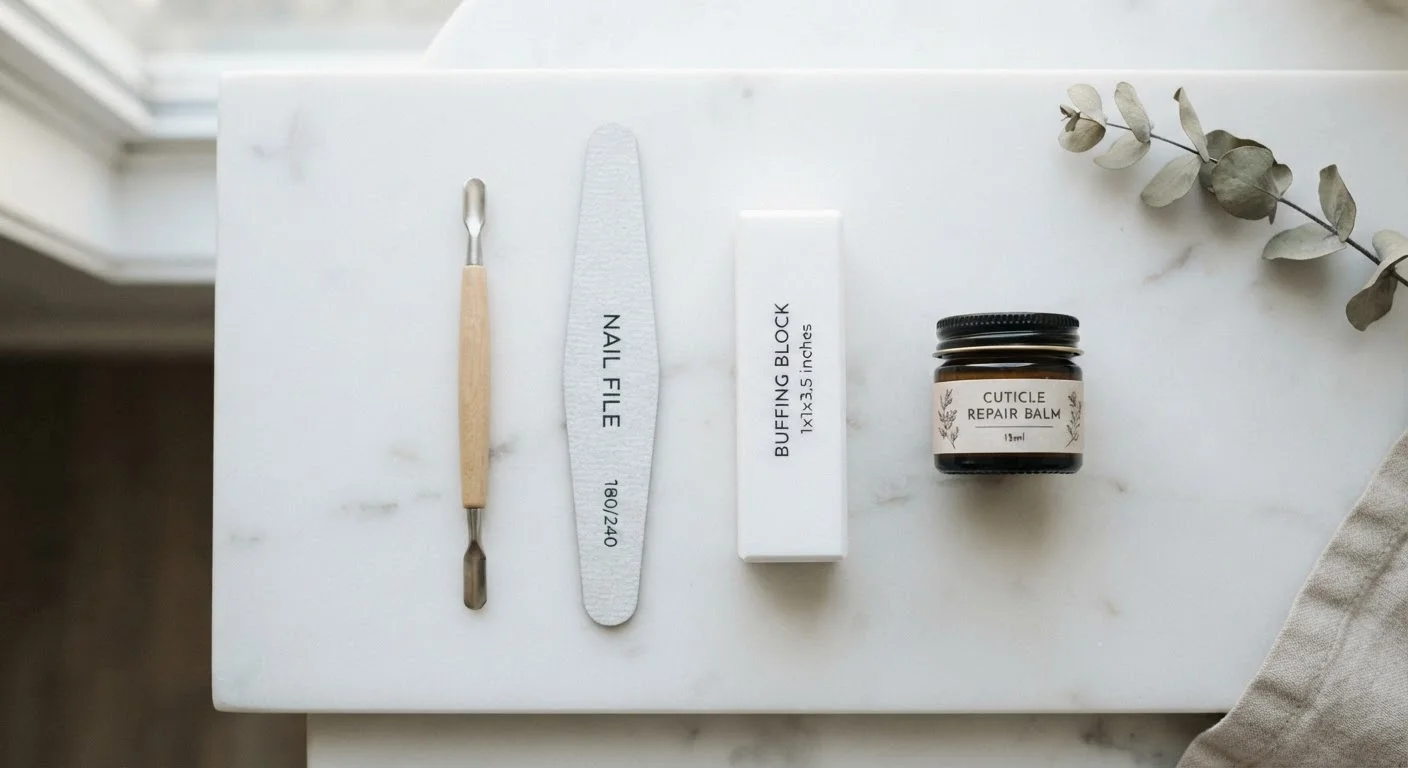
Photo: AskSpecialist.net editorial
Key Takeaways
- Clipping is just the start - filing technique and shape matter for preventing breaks.
- Cuticles should be pushed back gently, not cut, to protect against infection.
- Consistent moisturizing reduces brittleness and peeling more than any strengthening product.
- Nails are a window into general health; changes in color or texture can warrant a dermatologist visit.
- Most nail care habits can be built at home with a small set of basic tools.
Why Nail Health Is About More Than Appearance
Nails do real functional work - they protect fingertips, aid grip, and can even signal shifts in your overall health. Yellowing, pitting, unusual ridging, or nails that separate from the nail bed are among the changes dermatologists take seriously, as they can reflect nutritional deficiencies, thyroid issues, or fungal infections. This article is general educational information and is not a substitute for professional medical advice; if you notice persistent or unexplained nail changes, a dermatologist is the right resource.
For most people, though, the fundamentals of nail health come down to consistent, low-effort habits - the kind that fit into a normal week without a salon appointment. Just as building good grooming habits early pays dividends over time, the same applies to nails. The goal is to work with the nail's natural structure rather than against it.
Nail matrix
The tissue at the base of the nail, hidden under the skin, where new nail cells are produced. Damage here can permanently affect how the nail grows.
Cuticle
A thin layer of skin covering the base of the nail plate. It acts as a seal to keep bacteria and moisture away from the nail matrix.
Free edge
The part of the nail that extends beyond the fingertip - the portion you clip or file when trimming.
Nail plate
The hard, visible portion of the nail made up of compacted keratin (protein) layers. This is what you see and what polish adheres to.
Hangnail
A small, torn flap of skin at the side of the nail - not actually part of the nail itself. Pulling it can cause pain and minor injury to surrounding skin.
Filing: The Right Technique and Shape
Clipping removes length; filing shapes and smooths. Both matter. Rough or uneven edges catch on fabric and are far more likely to lead to peeling or tearing than a well-filed nail.
Choose the right file
A fine-grit file (180-240 grit) is appropriate for natural nails. Coarse files - sometimes sold for acrylic nails - can roughen the nail's surface and encourage splitting. Glass or crystal files tend to be gentler than standard emery boards and last longer when cleaned properly.
File in one direction
Sawing back and forth generates heat and frays the nail layers. Instead, move the file in a single direction - from the outer edge toward the center - on each side. This keeps the edge smooth and intact.
Choose a durable shape
For everyday wear, a rounded or squoval (square with rounded corners) shape is structurally sound. Extremely pointed shapes remove material from the side walls, reducing the nail's ability to withstand pressure. File the free edge, not down into the sides of the nail bed, to preserve natural support.
File After Softening, Not Before
Cuticle Care Done Correctly
The cuticle is a thin layer of skin that grows from the nail fold and covers the base of the nail plate. Its job is to seal the nail matrix - the tissue where new nail cells form - from outside moisture, bacteria, and irritants. Cutting cuticles away removes that barrier, opening a pathway for infection.
A better approach is to soften cuticles with warm water or a drop of cuticle oil, then gently push them back with a rubber-tipped or wooden pusher. This keeps the area tidy without compromising its protective function. If you notice a small, loose flap of skin (called a hangnail) at the side of the nail, carefully snip only that piece with clean nail scissors - don't pull it, as tearing can cause soreness and inflammation.
Cuticle Removers: Use With Caution
Consistency matters more than frequency here. A gentle pushback once a week, combined with regular moisturizing, keeps cuticles manageable without aggressive treatment.
Moisture, Strength, and Everyday Habits
Nails absorb and lose water more readily than skin. Repeated cycles of wetting and drying - from dishwashing, frequent hand-washing, or swimming - are among the main drivers of brittle, peeling nails. Wearing gloves for prolonged water exposure and applying a fragrance-free hand cream or cuticle oil after washing hands are the two highest-impact habits most people overlook.
When choosing a moisturizer, look for ingredients like glycerin, urea, or shea butter, which draw water into the nail and surrounding skin and help it stay there. Cuticle oils - often based on jojoba, vitamin E, or sweet almond oil - are particularly useful for the cuticle area and the skin around the nail fold.
Beyond moisture, a few additional habits make a meaningful difference:
- Use nails as nails, not tools. Opening packages, scraping labels, or prying lids with nails puts lateral stress on the nail plate and contributes to breakage.
- Keep clippers clean. Wipe down nail clippers and files with rubbing alcohol periodically to reduce the spread of bacteria and fungi.
- Let nails breathe occasionally. Continuous use of nail polish - especially without a base coat - can contribute to surface staining and dehydration. Giving nails a few days between applications is a simple way to counteract this.
Nail care shares something with other areas of grooming: the basics, done consistently, outperform occasional intensive treatments. Much like the approach explored in our look at scalp health as a foundation, caring for the skin and tissue around the nail is just as important as the nail itself.
This article is for general informational purposes only and does not constitute medical advice. If you have concerns about changes to your nails or skin, consult a qualified healthcare professional or dermatologist.
Frequently Asked Questions
The content on this site is provided for informational purposes only and should not be considered a substitute for professional advice. While we strive to provide accurate and up-to-date information, we make no guarantees regarding its completeness or accuracy. Always consult a qualified professional for advice specific to your circumstances before making any decisions.