
Scalp Health: The Part of Hair Care Most People Treat as an Afterthought

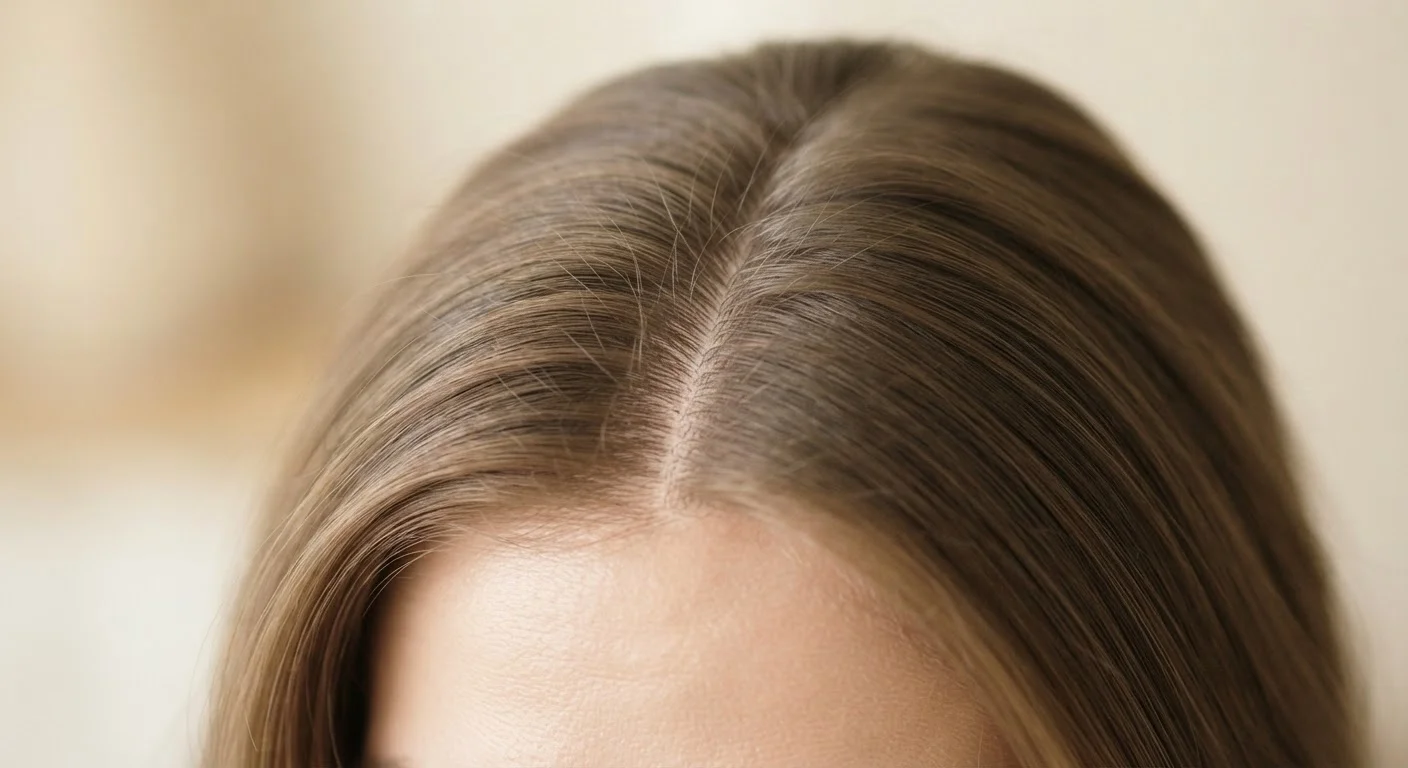
Photo: AskSpecialist.net editorial
Key Takeaways
- The scalp is skin and benefits from many of the same principles as facial skincare.
- Overwashing and underwashing are both common causes of scalp imbalance.
- Product buildup on the scalp can block follicles and disrupt a healthy environment for hair.
- Simple, consistent habits - not expensive treatments - form the basis of scalp health.
- Persistent scalp issues like flaking, itching, or pain should be evaluated by a dermatologist.
Why the Scalp Deserves More Attention Than It Gets
Most people think about hair care in terms of what they can see - length, shine, frizz, breakage at the ends. The scalp, hidden beneath all that hair, rarely gets the same attention. That's a mistake worth correcting, because the scalp is living skin, complete with hair follicles, sebaceous (oil) glands, and a delicate microbial environment. How well you care for it has a real bearing on how your hair looks and behaves.
Think of it this way: the scalp is the soil, and hair is what grows from it. You can condition and style your strands all you like, but if the foundation is congested, irritated, or out of balance, growth and overall hair condition suffer. For a broader look at how scalp condition connects to hair growth, see what the research actually shows about this relationship.
The Scalp Is Skin - Not a Different Category
Common Scalp Problems - and What's Actually Behind Them
Several common complaints trace back to scalp neglect or imbalance:
- Excess oiliness: Overactive sebaceous glands, often worsened by overwashing, which triggers the scalp to compensate by producing more oil.
- Dryness and tightness: Stripping cleansers, infrequent moisturizing, low humidity, or an underlying skin condition such as eczema or psoriasis.
- Flaking: Not always dandruff in the clinical sense. True dandruff (seborrheic dermatitis) involves a yeast called Malassezia and typically requires an antifungal ingredient. Dry scalp flaking is a separate issue with different causes.
- Buildup: Accumulated product residue, dead skin cells, and sebum that haven't been fully cleared. This can make the scalp feel itchy or congested and may clog the area around follicles.
Distinguishing between these issues matters because the solutions differ. If you're unsure what you're dealing with - especially if symptoms are persistent or severe - a board-certified dermatologist is the right resource. This article covers general information, not personal medical guidance.
50%
Adults affected by dandruff at some point
Seborrheic dermatitis is estimated to affect roughly half of adults globally, making it one of the most common scalp conditions, according to dermatological literature.
100,000+
Hair follicles on the average human scalp
The scalp contains between 80,000 and 120,000 follicles, each surrounded by oil-producing glands whose output directly affects scalp environment and hair condition.
Best Practices for a Balanced, Healthy Scalp
The habits below are grounded in established dermatological and cosmetological principles. They're also genuinely practical - no elaborate 12-step processes required.
Match your wash frequency to your scalp type, not a general rule
Direct shampoo to the scalp, not just the hair lengths
Incorporate a scalp-specific exfoliation step periodically
Rinse hair and scalp thoroughly after every wash
Keep heat and styling product off the scalp where possible
Treat the scalp with the same sun-protection mindset as exposed skin
Quick Wins You Can Start Today
If you're not sure where to begin, these are the highest-leverage changes most people can make immediately. For a more comprehensive look at your current routine, a weekly hair care audit is a useful next step.
It's also worth reading about washing your scalp versus washing your hair - the distinction matters more than most people realize. And if you've inherited some common assumptions about hair care, check in with myths dermatologists commonly correct before building new habits on old misinformation.
For more foundational guidance, the Hair Care hub covers all hair types, textures, and concerns in one place.
This article is for general informational purposes only and does not constitute medical advice. If you are experiencing persistent scalp symptoms, consult a board-certified dermatologist for a proper evaluation.
The content on this site is provided for informational purposes only and should not be considered a substitute for professional advice. While we strive to provide accurate and up-to-date information, we make no guarantees regarding its completeness or accuracy. Always consult a qualified professional for advice specific to your circumstances before making any decisions.