
Layering Skincare Products in the Right Order - and Why Sequence Matters

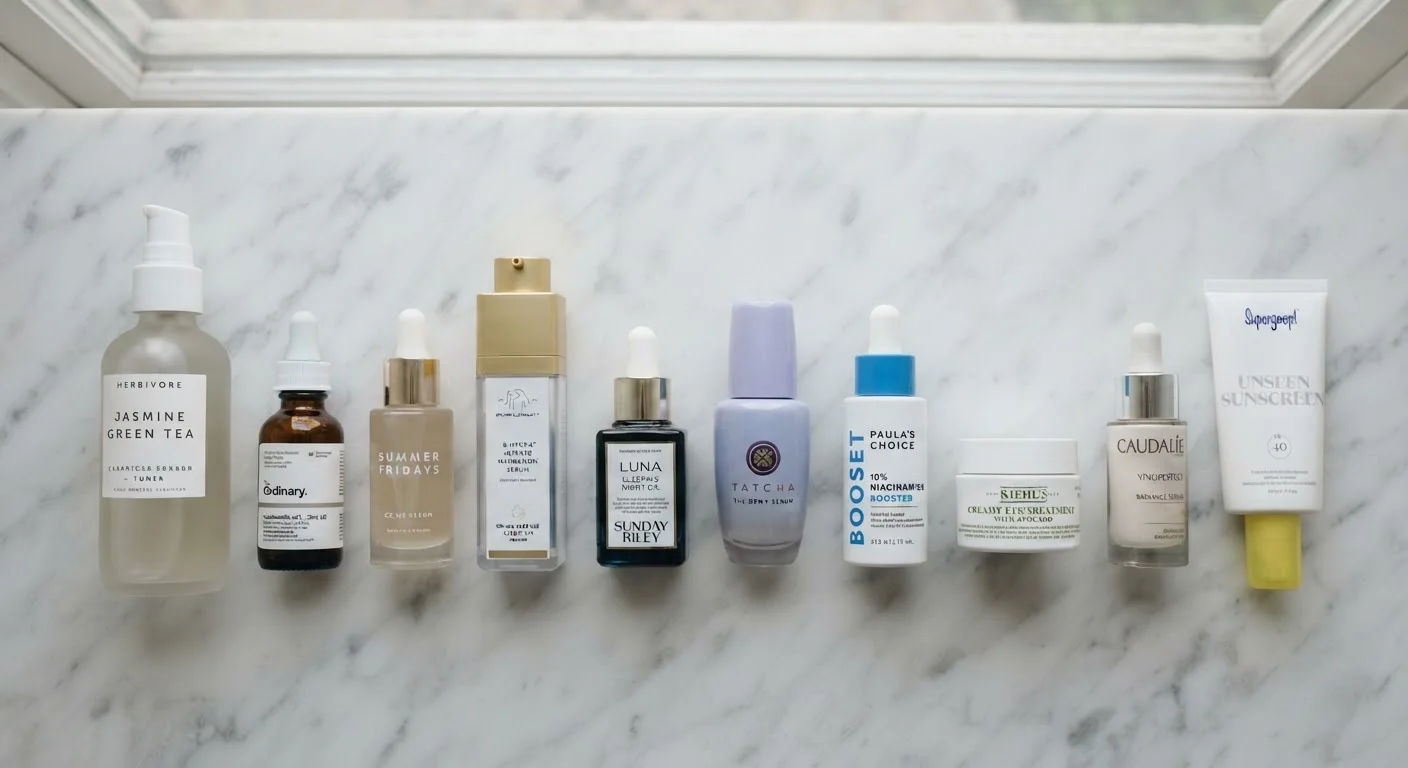
Photo: AskSpecialist.net editorial
Key Takeaways
- Thinnest, most water-based products go on first; heavier, oil-based ones go last.
- Applying products out of order can block absorption and reduce active ingredient effectiveness.
- Sunscreen always closes the morning routine - nothing goes on top of it except makeup.
- Waiting 30-60 seconds between layers allows each product to partially absorb before the next.
- Retinoids and exfoliating acids are typically applied after serums but before moisturizer at night.
- A simple routine applied correctly outperforms a complex routine applied in the wrong order.
Why Sequence Actually Changes What Your Products Do
Skincare products are formulated with specific molecular weights and delivery mechanisms. When you apply a heavy, occlusive moisturizer before a lightweight serum, the moisturizer forms a partial barrier on the skin's surface - one that the thinner product below it may not be able to penetrate through. The result: the active ingredients you paid for stay largely on top of the moisturizer rather than reaching the skin cells they're meant to treat.
The guiding logic is straightforward: layer from thinnest to thickest consistency, and from water-soluble to oil-soluble formulas. This mirrors how skin itself is structured - the outermost layer, the stratum corneum, is more receptive to lighter, water-based molecules first, before heavier emollients and occlusives are applied to seal everything in.
If you're new to building a routine from scratch, the complete beginner's roadmap covers skin types and product basics before you start layering. And if you're curious about what's actually inside your products, reading ingredient lists will help you understand which formulas belong in which layer.
What You'll Need Before You Start
You don't need every product listed below - a minimal routine done correctly is more effective than a long one done wrong. Gather whichever of the following apply to your routine before working through the steps.
What you will need
Gentle facial cleanser
Removes surface debris, excess oil, and residue so subsequent products absorb into clean skin.
Toner or hydrating essence
Restores skin's moisture balance post-cleanse and primes the surface for serum absorption.
Water-based serum
Delivers concentrated active ingredients (e.g., antioxidants, humectants) deep into the skin.
Targeted treatment (retinoid or exfoliant)
Addresses specific concerns such as cell turnover or texture; used in the evening routine.
Facial moisturizer
Locks in hydration and supports the skin's barrier after lighter layers have absorbed.
Broad-spectrum sunscreen (SPF 30+)
Protects skin from UV damage; always the final step of any morning routine.
The Correct Layering Steps: Morning and Evening
Follow these steps in order. The morning routine includes sunscreen; the evening routine swaps it for targeted treatments like retinoids. Steps marked as evening-only can be skipped in your AM routine.
Cleanse thoroughly
Start with a clean canvas. Apply your cleanser to damp skin, massage gently for 30-60 seconds, then rinse with lukewarm water. In the morning, a single cleanse is usually sufficient. In the evening, if you wear sunscreen or makeup, consider a double-cleanse: an oil-based cleanser first, followed by your regular water-based one.
Apply toner or essence (if using)
Toners and essences are the thinnest water-based step. Apply to a cotton pad or directly to your palms and press gently into skin. This step rebalances the skin's surface and prepares it to receive serums. Allow it to absorb for about 30 seconds before moving on.
Apply water-based serums
Serums are your active-ingredient workhorses - formulated to penetrate deeply, which is why they go on before heavier products. If you use more than one serum, layer them from thinnest to thickest. Press a few drops into the skin using your fingertips rather than rubbing. Give each serum 30-60 seconds before applying the next.
Apply targeted treatments - evening only
Retinoids (vitamin A derivatives) and exfoliating acids (such as AHAs and BHAs) go on after serums and before moisturizer. These are typically nighttime-only ingredients because they can increase UV sensitivity. Apply a pea-sized amount of retinoid, or your acid treatment, to dry skin only - moisture on the skin's surface can intensify their effect and increase irritation risk.
Apply moisturizer
Moisturizer seals in the layers beneath it and supports the skin's natural barrier. Scoop a small amount and spread evenly across your face and neck using upward strokes. Choose a formula suited to your skin type - lighter gels for oily skin, richer creams for dry or compromised skin.
Apply sunscreen - morning only, always last
Sunscreen is non-negotiable in the morning routine and always goes on last. Chemical sunscreens need direct skin contact to work effectively, but even mineral sunscreens applied over moisturizer provide strong protection. Apply a generous, even layer to all exposed skin. Nothing goes over sunscreen except makeup.
Getting the order right consistently is more important than adding more products. If you notice irritation, redness, or breakouts after changing your routine, it may be a sign of ingredient conflict or over-layering - signs your routine is causing harm covers what to watch for.
This article is for general informational and educational purposes only. It is not a substitute for advice from a qualified dermatologist or healthcare professional. If you have a skin condition, allergy, or medical concern, consult a licensed professional before changing your skincare routine.
The content on this site is provided for informational purposes only and should not be considered a substitute for professional advice. While we strive to provide accurate and up-to-date information, we make no guarantees regarding its completeness or accuracy. Always consult a qualified professional for advice specific to your circumstances before making any decisions.