
Skincare From the Ground Up: A First-Timer's Complete Roadmap

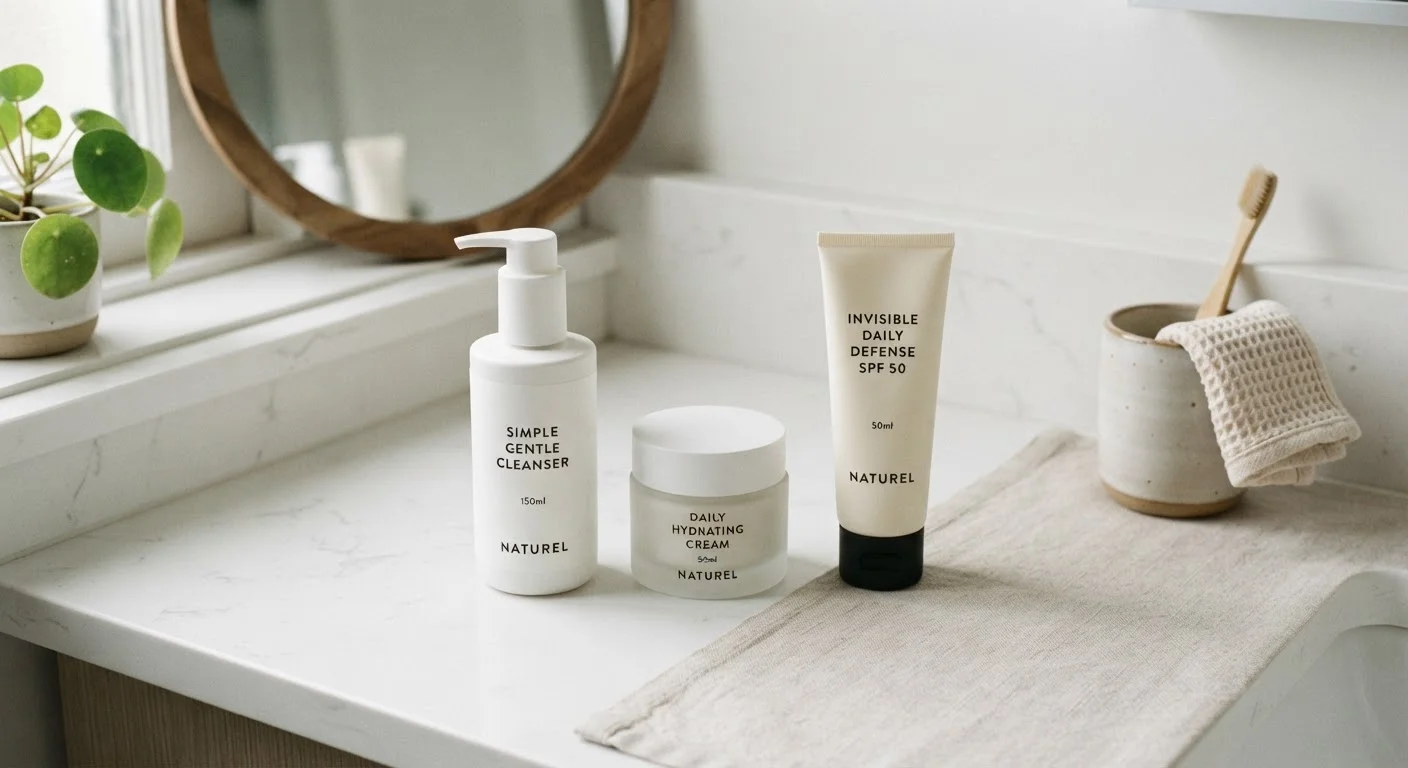
Photo: AskSpecialist.net editorial
Key Takeaways
- Knowing your skin type before buying products prevents wasted money and unnecessary irritation.
- A cleanser, moisturizer, and SPF form a complete, functional beginner routine.
- Introduce new products one at a time - at least two weeks apart - to identify reactions.
- Ingredient order on a label reflects concentration, not marketing priority.
- Consistency over weeks, not days, is what produces visible skin improvement.
Understanding Your Skin Type
Every effective skincare routine starts with one question: what type of skin do you actually have? Buying products without this knowledge is like buying shoes without knowing your size - the odds of a good fit are low.
The five broadly recognized skin types are normal, dry, oily, combination, and sensitive. Normal skin has a balanced moisture level with few blemishes or areas of concern. Dry skin feels tight, may appear flaky, and lacks adequate lipid content in the outer layer. Oily skin produces excess sebum, often appears shiny, and is more prone to clogged pores. Combination skin is oily in the T-zone (forehead, nose, and chin) but normal or dry on the cheeks. Sensitive skin reacts easily - stinging, redness, or itching after product contact are common signals.
To identify your type, wash your face with a gentle cleanser, pat dry, and observe it after 60 minutes with nothing applied. The "blank canvas" method is low-tech but reliable for most people. Keep in mind that skin type can shift with seasons, age, hormones, and environment - reassess periodically rather than treating your type as permanent.
Skin barrier
The outermost layer of skin that acts as a protective shield, keeping moisture in and irritants out. A healthy barrier is essential for comfortable, resilient skin.
Sebum
The natural oil produced by glands in the skin. It helps lubricate and protect the surface, but excess production contributes to shine and clogged pores.
Broad-spectrum SPF
A sunscreen rating indicating the product protects against both UVA rays (aging) and UVB rays (burning). SPF 30 blocks about 97% of UVB rays when applied correctly.
Non-comedogenic
A label term indicating a product is formulated to avoid clogging pores. Useful for oily or acne-prone skin types, though it is not a regulated or standardized claim.
Active ingredient
An ingredient included at a concentration intended to produce a specific skin effect, such as retinol for cell turnover or niacinamide for pore appearance. Actives require gradual introduction.
Transepidermal water loss (TEWL)
The process by which water evaporates through the skin's outer layer into the surrounding environment. Moisturizers help slow TEWL and keep skin adequately hydrated.
The Core Three: Cleanse, Moisturize, Protect
Before considering serums, toners, or exfoliants, nail three non-negotiables: a cleanser, a moisturizer, and a broad-spectrum sunscreen. These three products address the skin's most fundamental needs and form a complete routine on their own.
Cleansing
Cleansing removes dirt, sweat, makeup, and excess oil that accumulate throughout the day and overnight. Twice-daily cleansing is standard, though once in the evening is sufficient for very dry or sensitive skin. Choose a formula that matches your skin type - gentle foaming cleansers suit oily skin, while cream or milk cleansers work better for dry or sensitive types. Avoid anything that leaves your face feeling stripped or squeaky-clean; that sensation signals the skin barrier has been over-disrupted.
Moisturizing
Moisturizers reinforce the skin barrier and prevent water loss, a process called transepidermal water loss (TEWL). Even oily skin benefits from a lightweight moisturizer. Apply while skin is still slightly damp to help seal in hydration.
Sun Protection
Broad-spectrum SPF 30 or higher applied every morning is the single most evidence-backed step for preventing premature skin aging and reducing UV damage. Apply it as the last step of your morning routine. This is not optional - UV exposure occurs even on overcast days and through windows.
Apply SPF Last - Every Single Morning
Reading Ingredient Lists Without Getting Lost
Skincare labels list ingredients in descending order of concentration. The first five or six ingredients make up the bulk of what you're applying; everything below one percent can appear in any order. This means a product advertising a trendy ingredient listed near the bottom contains very little of it.
A few ingredient categories worth recognizing early:
- Humectants (e.g., glycerin, hyaluronic acid) draw water into the skin.
- Emollients (e.g., squalane, ceramides) smooth and soften the skin surface.
- Occlusives (e.g., petrolatum, dimethicone) form a physical barrier that slows water loss.
- Actives (e.g., retinoids, niacinamide, AHAs) address specific concerns like texture, tone, or acne.
For a deeper dive into how actives like AHAs and BHAs differ from physical scrubs, see our guide on chemical exfoliants vs. physical scrubs.
When and How to Add More Products
Once your core three feel comfortable - typically after four to six weeks - you can consider adding a targeted product if you have a specific concern. Common additions include exfoliants for texture or tone, vitamin C serums for brightness, or retinoids for fine lines and cell turnover.
The golden rule: introduce one new product at a time, and wait at least two weeks before adding another. This makes it possible to identify what's helping - and what's causing a reaction. Before adding anything new, patch testing is a straightforward precaution that can prevent full-face reactions.
Also learn to recognize when a routine has too many moving parts. Signs that your routine is doing more harm than good include persistent redness, increased breakouts, or a compromised-feeling skin barrier - all signals to simplify rather than add more. And for a closer look at what most people leave out of their routines, the overlooked steps in a proper skincare routine is worth reading once your basics are locked in.
More Products Doesn't Mean Better Results
Building a Routine That Sticks
The most effective skincare routine is one you actually do consistently. That means keeping it simple enough to complete on tired mornings and late nights. A two-minute routine performed daily beats an elaborate ten-step system used sporadically.
Store your products visibly - on a bathroom shelf or counter - so the habit cue is built into your environment. Pair your skincare with an existing habit like brushing your teeth to reduce friction. If you miss a day, resume the next without guilt; skin health is built over months, not lost in a single skip.
Finally, understand that product order matters for effectiveness. Once you're comfortable with your routine, our guide to layering skincare products correctly explains the logic behind sequencing so each product performs as intended.
This article provides general skincare education and is not a substitute for personalized advice from a licensed dermatologist or healthcare professional. If you experience persistent skin concerns, consult a qualified provider.
Frequently Asked Questions
The content on this site is provided for informational purposes only and should not be considered a substitute for professional advice. While we strive to provide accurate and up-to-date information, we make no guarantees regarding its completeness or accuracy. Always consult a qualified professional for advice specific to your circumstances before making any decisions.