
Why Your Moisturizer Might Not Actually Be Hydrating Your Skin

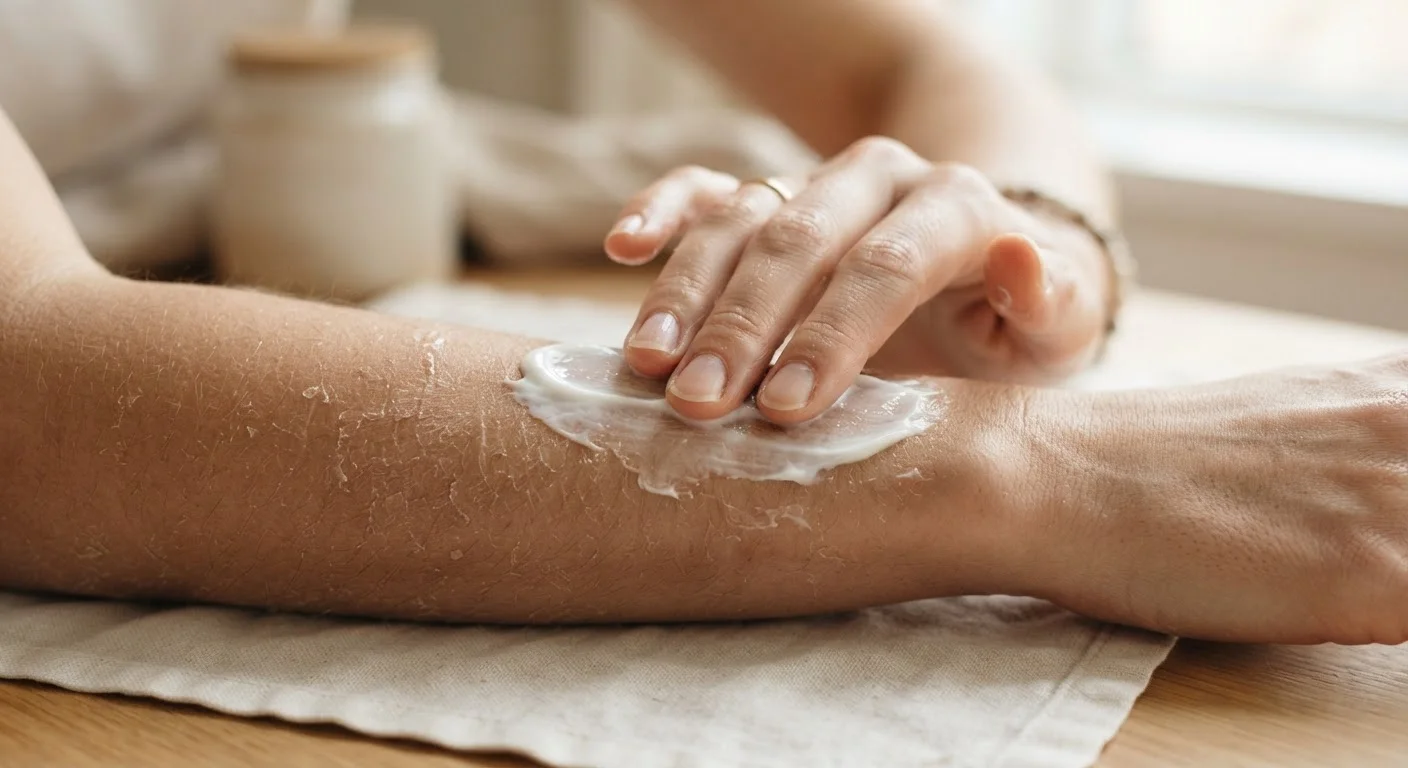
Photo: AskSpecialist.net editorial
Key Takeaways
- Applying moisturizer to completely dry skin significantly reduces how much hydration it delivers.
- Not all moisturizers work for all skin types - ingredient mismatch is a common and overlooked problem.
- Using an occlusive or humectant ingredient incorrectly can actually worsen dryness over time.
- Exfoliation frequency and cleanser choice directly affect how well moisturizer absorbs.
- Layering products in the wrong order can block active hydrating ingredients from reaching skin.
The Gap Between Applying and Actually Hydrating
Most people assume that if they're using a moisturizer daily, their skin is being hydrated. But routine use and effective use are two different things. Skin hydration depends on a chain of conditions - the state of skin before you apply, the ingredients in your product, the order you layer them, and even the environment you're in. When any link in that chain breaks, your moisturizer sits on the surface doing far less than it should.
Understanding why this happens starts with knowing what moisturizers actually do. Most work through three mechanisms: humectants (such as glycerin or hyaluronic acid) draw water into the skin; emollients (such as fatty acids or squalane) soften and smooth; and occlusives (such as petrolatum or dimethicone) seal the surface to slow water loss. A product may do one, two, or all three - and knowing which you're working with helps explain why it might not be solving your dryness. For a deeper look at one of the most popular humectants, see how hyaluronic acid actually works.
Applying moisturizer to completely dry skin.
Using a humectant-only formula in a low-humidity environment.
Choosing a moisturizer formulated for a different skin type.
Over-exfoliating and then expecting moisturizer to compensate.
Layering products in the wrong order.
Using too little product to actually cover the skin surface.
How to Rethink Your Moisturizing Routine
Correcting these mistakes doesn't require buying new products - it usually requires changing how you use what you already have. Applying moisturizer within 60 seconds of patting skin dry (sometimes called the "damp skin" rule) is one of the most straightforward changes with measurable impact. The residual moisture gives humectants something to bind to and helps occlusives lock in real hydration rather than a dry layer.
Your cleanser also deserves scrutiny. Foaming cleansers that strip the skin's natural oils can undo everything your moisturizer is trying to accomplish. If your skin feels tight immediately after washing, that's a signal your barrier is being disrupted before you even reach the moisturizer step. Signs your routine is doing more harm than good covers this in more detail.
Watch Out for Alcohol-Heavy Formulas
Finally, consider whether your routine includes steps that are often skipped but genuinely matter. A well-chosen serum applied before your moisturizer can dramatically improve hydration depth - particularly one formulated with water-binding ingredients. The overlooked steps in a proper skincare routine walks through what a complete regimen actually includes. Small, evidence-based adjustments to application timing, product layering, and cleanser choice can make a meaningful difference in how hydrated your skin actually feels - without changing your moisturizer at all.
This article is for general informational purposes only and is not medical or dermatological advice. Consult a qualified healthcare professional or board-certified dermatologist for concerns about your skin health.
The content on this site is provided for informational purposes only and should not be considered a substitute for professional advice. While we strive to provide accurate and up-to-date information, we make no guarantees regarding its completeness or accuracy. Always consult a qualified professional for advice specific to your circumstances before making any decisions.