
The Overlooked Steps in a Proper Skincare Routine

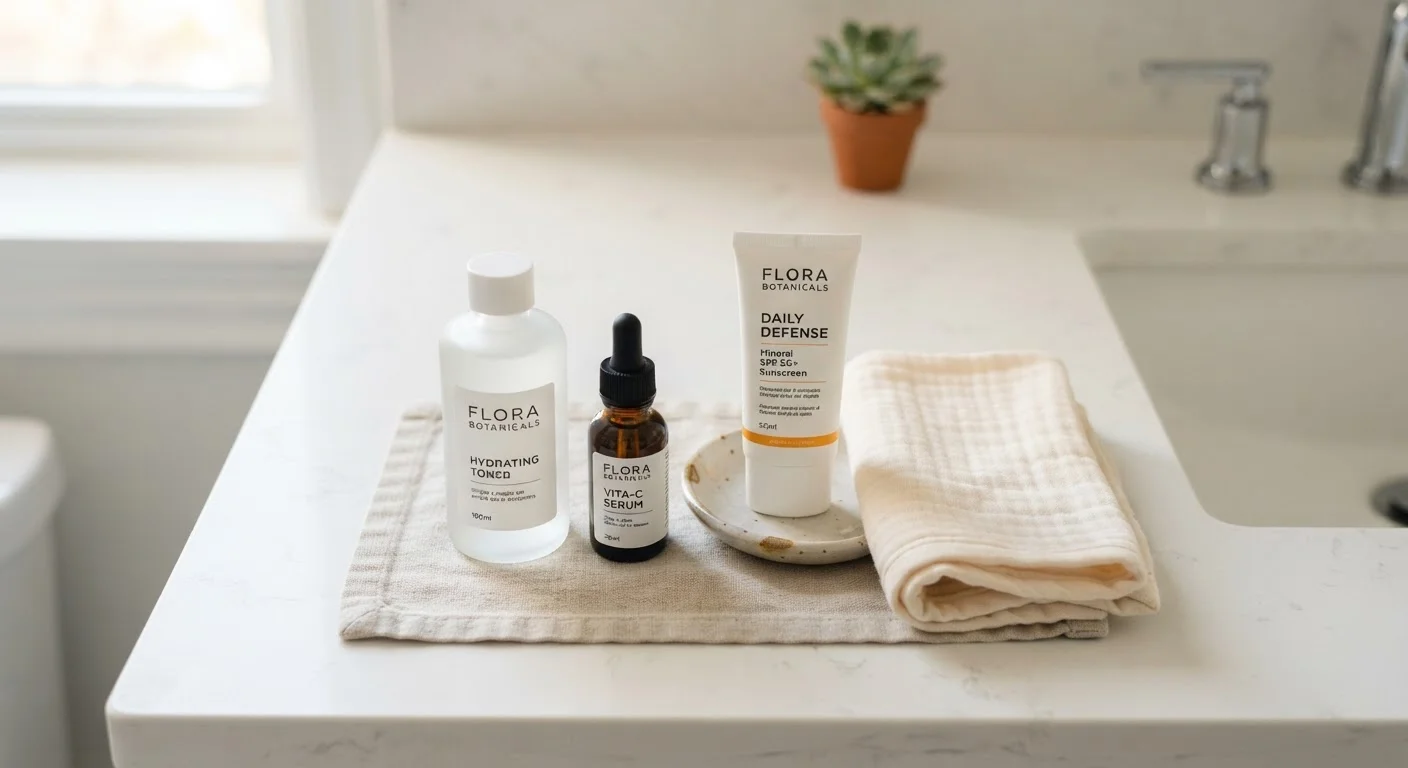
Photo: AskSpecialist.net editorial
Key Takeaways
- Toning, targeted treatment, and SPF are frequently skipped but meaningfully support skin health.
- Applying products in the wrong order can reduce their effectiveness significantly.
- Neck and eye areas are often neglected but benefit from consistent, gentle attention.
- Nighttime routines serve different purposes than morning ones - both matter.
- More products do not equal better results; consistency with a few right steps does.
Why Most Routines Have Gaps
Ask most people about their skincare routine and you'll hear a familiar answer: "I wash my face and put on moisturizer." That's a foundation - but it leaves out several steps that dermatologists and estheticians consistently identify as the difference between a routine that maintains skin health and one that actually improves it over time.
The gaps aren't usually caused by laziness. They're caused by information overload, conflicting advice, and the assumption that more steps means more complexity. The checklist below is designed to help you audit what you're already doing and identify which overlooked steps are worth adding. You don't need to implement everything at once - prioritize the "must" items first.
For a deeper look at how AM and PM routines should differ, see our guide on morning vs. evening skincare routines. And if you're unsure whether your current approach is causing more harm than good, signs your routine is doing more harm than good is a useful companion read.
Cleansing and Prep
Toning and Targeted Treatment
Moisturizing and Barrier Support
Sun Protection
Routine Hygiene and Habits
Tools and Products to Have on Hand
You don't need a shelf full of products to run a complete routine. The tools below represent what a well-rounded, practical routine typically draws from. Note that not everything is required - the checklist groups above indicate which items are "must," "should," or "nice to have."
Gentle, pH-balanced cleanser
Removes surface impurities without disrupting the skin barrier - the essential foundation of any routine.
Hydrating toner
Rebalances skin after cleansing and improves absorption of subsequent treatments.
Targeted serum
Delivers concentrated active ingredients to address specific concerns like dullness, texture, or early fine lines.
Broad-spectrum SPF 30+ sunscreen
Protects skin from UV-induced damage - the single most evidence-supported step in any daytime routine.
Moisturizer
Seals in hydration and supports the skin's natural barrier function.
Soft, clean face cloth or towel
Used for gentle patting dry - a dedicated cloth reduces the risk of bacterial transfer from shared towels.
Eye cream
Formulated for the delicate orbital area, where regular moisturizers may be too heavy or irritating.
If you're struggling with dryness despite using a moisturizer, our article on why your moisturizer might not actually be hydrating your skin explains common application errors and ingredient mismatches worth reviewing.
How to Get the Most From This Checklist
Run through this checklist once as an audit of your current routine before making any changes. Mark what you already do, note the gaps, and introduce one or two new steps at a time. Adding too many new products simultaneously makes it difficult to identify what's helping - or causing irritation.
Avoid Introducing Multiple Actives at Once
Layering products in the correct sequence is just as important as using the right products at all. Our guide on layering skincare products in the right order explains the logic behind sequencing so each product can do its job effectively.
For those with reactive skin, take an especially cautious approach with actives. The principles in building a routine around sensitive skin apply directly to adding overlooked steps without provoking flare-ups.
This article is for general informational and educational purposes only. It is not a substitute for advice from a licensed dermatologist or healthcare professional. If you have a skin condition, persistent irritation, or other concerns, consult a qualified professional before changing your routine.
The content on this site is provided for informational purposes only and should not be considered a substitute for professional advice. While we strive to provide accurate and up-to-date information, we make no guarantees regarding its completeness or accuracy. Always consult a qualified professional for advice specific to your circumstances before making any decisions.