
Hydration and Nutrition: How Water Fits Into Your Overall Diet

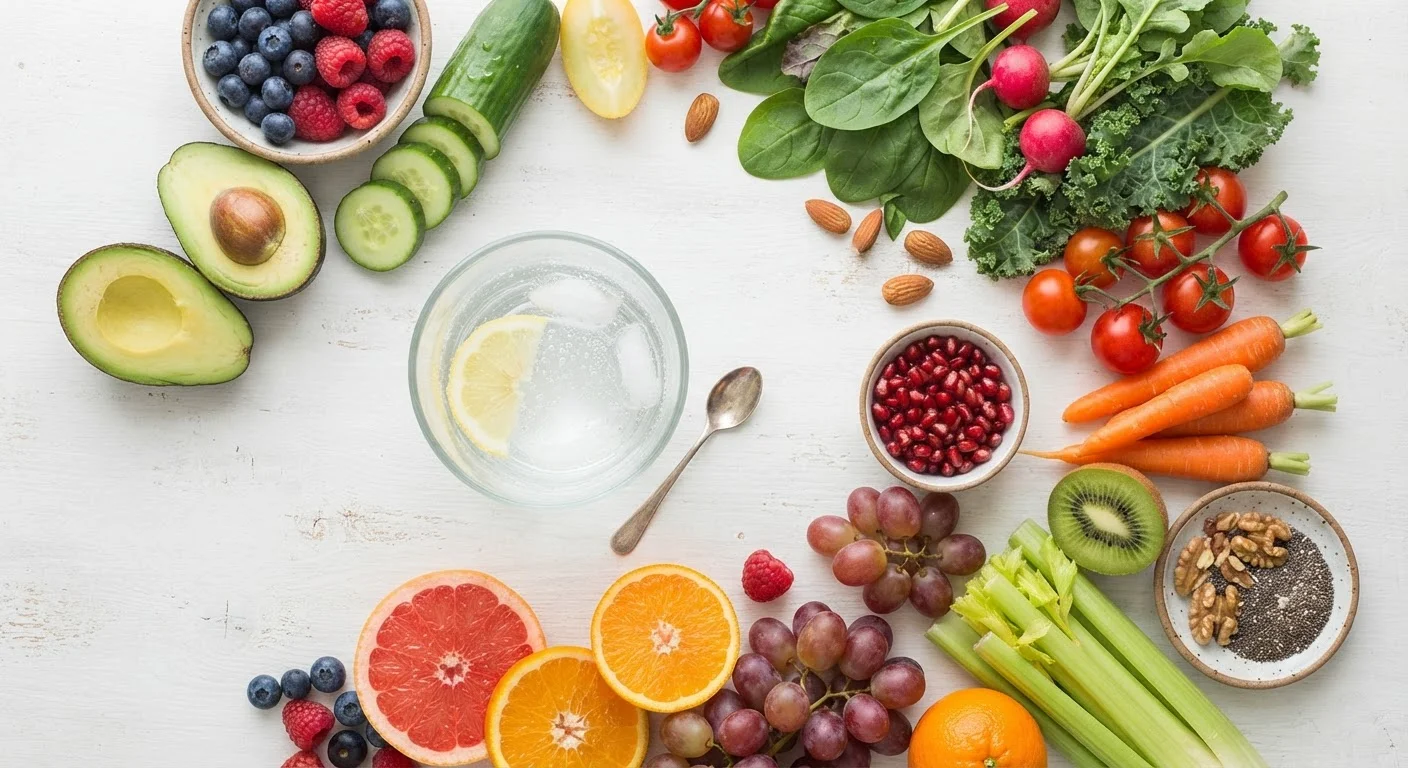
Photo: AskSpecialist.net editorial
Key Takeaways
- Water is a nutrient - one your body cannot store or manufacture in meaningful amounts.
- Both food and beverages contribute to your daily fluid intake, not plain water alone.
- Dehydration can impair how your body absorbs and uses vitamins, minerals, and fiber.
- Hydration needs vary by age, activity level, climate, and health status.
- Thirst is a useful signal, but it can lag behind actual fluid needs, especially in older adults.
- A healthcare professional is the right resource for personalized hydration or dietary guidance.
Why Water Is Considered a Nutrient
Most people think of nutrients as things found in food - carbohydrates, proteins, fats, vitamins, minerals. Water rarely makes the list in everyday conversations about diet. But nutrition science is clear: water is an essential nutrient. Your body cannot produce enough of it on its own, cannot survive long without it, and uses it in virtually every physiological process that keeps you functioning.
To understand how water fits into your overall diet, it helps to think of it less as a drink and more as a biological necessity - one that works alongside the foods you eat rather than separately from them. The macronutrients your body depends on - carbohydrates, protein, and fat - require water to be broken down, transported through the bloodstream, and used by cells. Without adequate hydration, even a well-planned diet becomes less effective.
Hydration and Skin: A Common Misconception
How Hydration Supports Nutrient Absorption and Digestion
Digestion begins in the mouth, where saliva - mostly water - starts breaking down food. From there, water plays a role at every stage: stomach acid (which is largely water-based) breaks down proteins; intestinal fluids help absorb nutrients through the gut wall; and the kidneys use water to filter metabolic waste from the blood and excrete it as urine.
Water-soluble vitamins - including vitamin C and the full B-vitamin group - rely directly on water for transport. Micronutrients like these circulate in the bloodstream dissolved in fluid, and low hydration can reduce how efficiently they reach the tissues that need them.
Fiber is another area where hydration matters significantly. Dietary fiber absorbs water in the digestive tract to form a gel-like substance that slows digestion and supports gut health. Without adequate fluid, fiber can't do its job effectively - and may even contribute to constipation. For more on this relationship, see our article on fiber and why most Americans fall short.
~20%
Daily fluid intake from food sources
According to the U.S. National Academies of Sciences, Engineering, and Medicine, roughly 20% of total daily water intake typically comes from food rather than beverages.
1-2%
Body weight fluid loss linked to impaired cognition
Research cited by the American Journal of Clinical Nutrition suggests that fluid losses as small as 1-2% of body weight may impair concentration and mood, particularly during physical activity.
3.7 L
Recommended daily total water for adult men
The National Academies of Sciences recommends approximately 3.7 liters of total daily water - from all sources - for adult men, and 2.7 liters for adult women.
Where Your Daily Fluid Intake Actually Comes From
A common misconception is that hydration means drinking plain water and nothing else. In reality, your total fluid intake comes from three sources: plain water, other beverages (including coffee, tea, milk, and juice), and the water naturally present in food.
Foods with high water content - including cucumbers, tomatoes, strawberries, watermelon, and leafy greens - can meaningfully contribute to your daily intake. Soups, smoothies, and dairy products also add fluid. Research consistently shows that food accounts for roughly 20% of most adults' total daily water intake.
This matters practically: someone who eats a diet rich in fruits and vegetables is likely meeting some of their hydration needs through food alone, even before drinking a single glass of water. Conversely, a diet heavy in dry, processed foods provides very little water, placing more demand on beverage intake to compensate.
A Simple Hydration Check You Can Do Daily
Hydration Needs Are Not One-Size-Fits-All
General fluid intake recommendations exist, but they represent population-level averages - not prescriptions for any individual. Actual needs depend on factors including body size, physical activity, climate, overall health, and life stage. Children, pregnant or breastfeeding individuals, older adults, and people with certain medical conditions all have considerations that differ from general adult guidance. The nutritional needs of different life stages deserve attention in this context - hydration requirements shift meaningfully across a lifespan.
Older adults are particularly worth noting: the thirst mechanism becomes less reliable with age, making intentional fluid intake more important. Individuals who exercise intensely or work in hot environments lose more fluid through sweat and need to compensate accordingly.
If you have questions about your specific hydration needs - especially with a chronic condition, during pregnancy, or while managing a particular diet - a registered dietitian or your primary care provider is the right resource.
This article is for general informational and educational purposes only and is not a substitute for professional medical or dietary advice. Always consult a qualified healthcare professional regarding personal health decisions.
Frequently Asked Questions
The content on this site is provided for informational purposes only and should not be considered a substitute for professional advice. While we strive to provide accurate and up-to-date information, we make no guarantees regarding its completeness or accuracy. Always consult a qualified professional for advice specific to your circumstances before making any decisions.