
Understanding Added Sugar: How It Hides in Everyday Foods

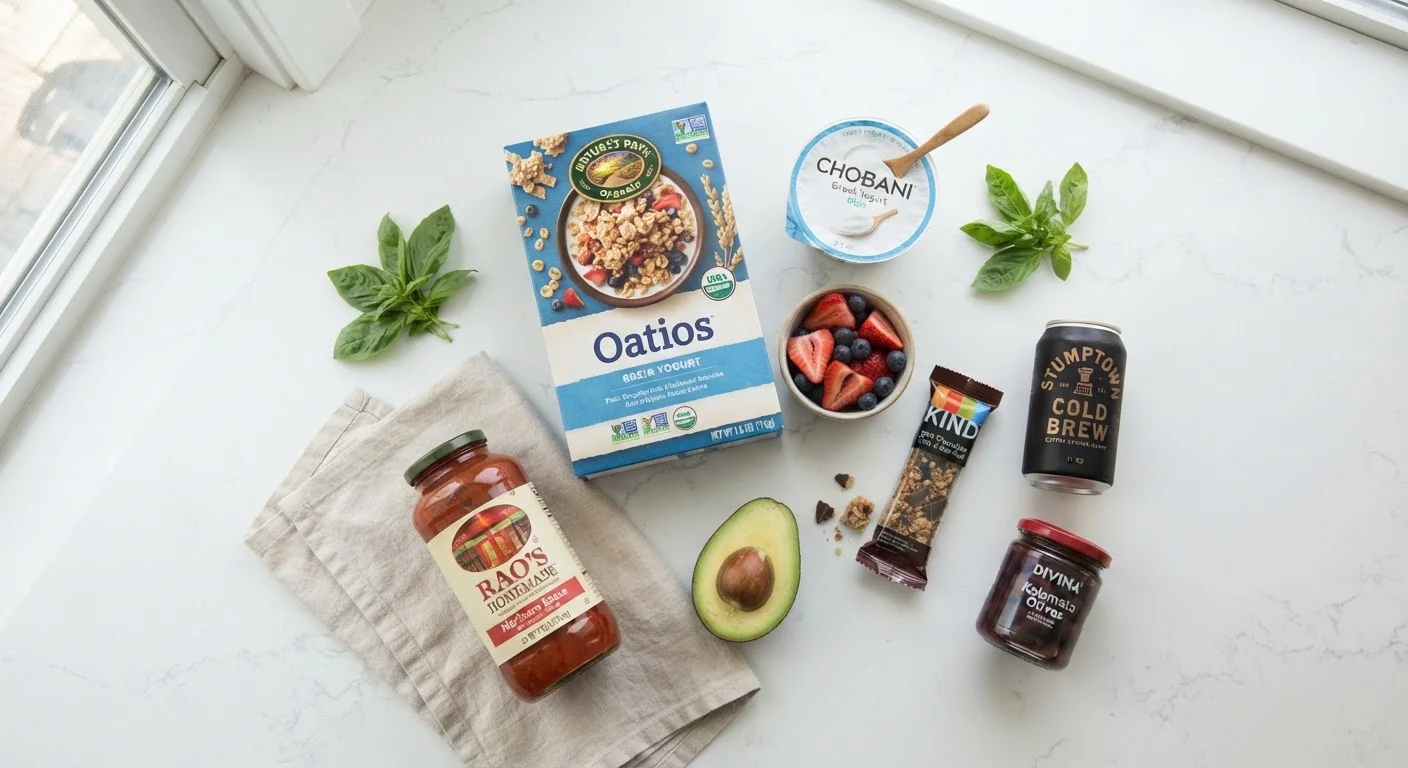
Photo: AskSpecialist.net editorial
Key Takeaways
- Added sugar is distinct from naturally occurring sugar found in whole fruit, vegetables, and dairy.
- It appears under more than 60 names on ingredient labels, including syrups, nectars, and fruit juice concentrates.
- Common sources include flavored yogurts, pasta sauces, breakfast cereals, and sports drinks - not just sweets.
- The FDA now requires added sugars to be listed separately on Nutrition Facts panels.
- Dietary guidelines generally recommend limiting added sugar intake; consult a healthcare professional for personalized guidance.
Why Added Sugar Is Worth Understanding
Most Americans consume more added sugar than general dietary guidance recommends - not because they're eating candy all day, but because added sugar is woven into the fabric of processed food. It improves texture, extends shelf life, enhances color, and balances acidity, making it useful to manufacturers well beyond simply sweetening a product.
Understanding how to identify added sugar on a label is a practical skill that applies to nearly every trip down a grocery aisle. For a broader look at decoding what food labels actually tell you, see our guide to reading a nutrition label.
Start With the Added Sugars Line
The Many Names for Added Sugar
One of the biggest challenges in spotting added sugar is that it travels under a wide variety of names. The FDA recognizes well over 60 terms that indicate added sugar on an ingredient list. Broadly, they fall into a few categories:
- Syrups: High-fructose corn syrup, brown rice syrup, malt syrup, agave nectar
- Words ending in "-ose": Sucrose, fructose, dextrose, maltose, lactose (when added, not naturally present)
- "Natural" sweeteners: Honey, maple syrup, molasses, coconut sugar, date sugar
- Juice-based terms: Fruit juice concentrate, evaporated cane juice, cane juice crystals
Because ingredients are listed by weight in descending order, sugar added under several different names can each appear lower on the list - making the total added sugar content look smaller than it is. This is where the separate Added Sugars line on the Nutrition Facts panel becomes particularly useful.
"Natural" Doesn't Mean Unrestricted
Everyday Foods Where Added Sugar Commonly Hides
Added sugar turns up in foods that many people consider healthy or neutral. Being aware of common sources helps contextualize daily intake more accurately.
Beyond these examples, flavored coffees and teas, protein bars, plant-based milks with added flavoring, canned soups, and store-bought marinades are other frequent sources worth checking.
Reading Labels More Effectively
The Nutrition Facts panel now separates Total Sugars from Added Sugars, with Added Sugars shown in grams and as a percentage of the Daily Value based on a 2,000-calorie diet. A few practical habits can make label reading more informative:
- Check the Added Sugars line first, not just Total Sugars.
- Scan the ingredient list for any of the sweetener names listed above - especially in the first five ingredients.
- Compare serving sizes: a product may seem low in added sugar until you notice the serving is unusually small.
This is general nutrition education and is not a substitute for personalized dietary advice. If you have specific health conditions or questions about your diet, consult a registered dietitian or healthcare provider.
This article is for general informational purposes only and does not constitute medical or dietary advice. Consult a qualified healthcare professional for guidance specific to your health needs.
Frequently Asked Questions
The content on this site is provided for informational purposes only and should not be considered a substitute for professional advice. While we strive to provide accurate and up-to-date information, we make no guarantees regarding its completeness or accuracy. Always consult a qualified professional for advice specific to your circumstances before making any decisions.