
Seven Renovation Decisions That Affect Resale Value More Than People Realize

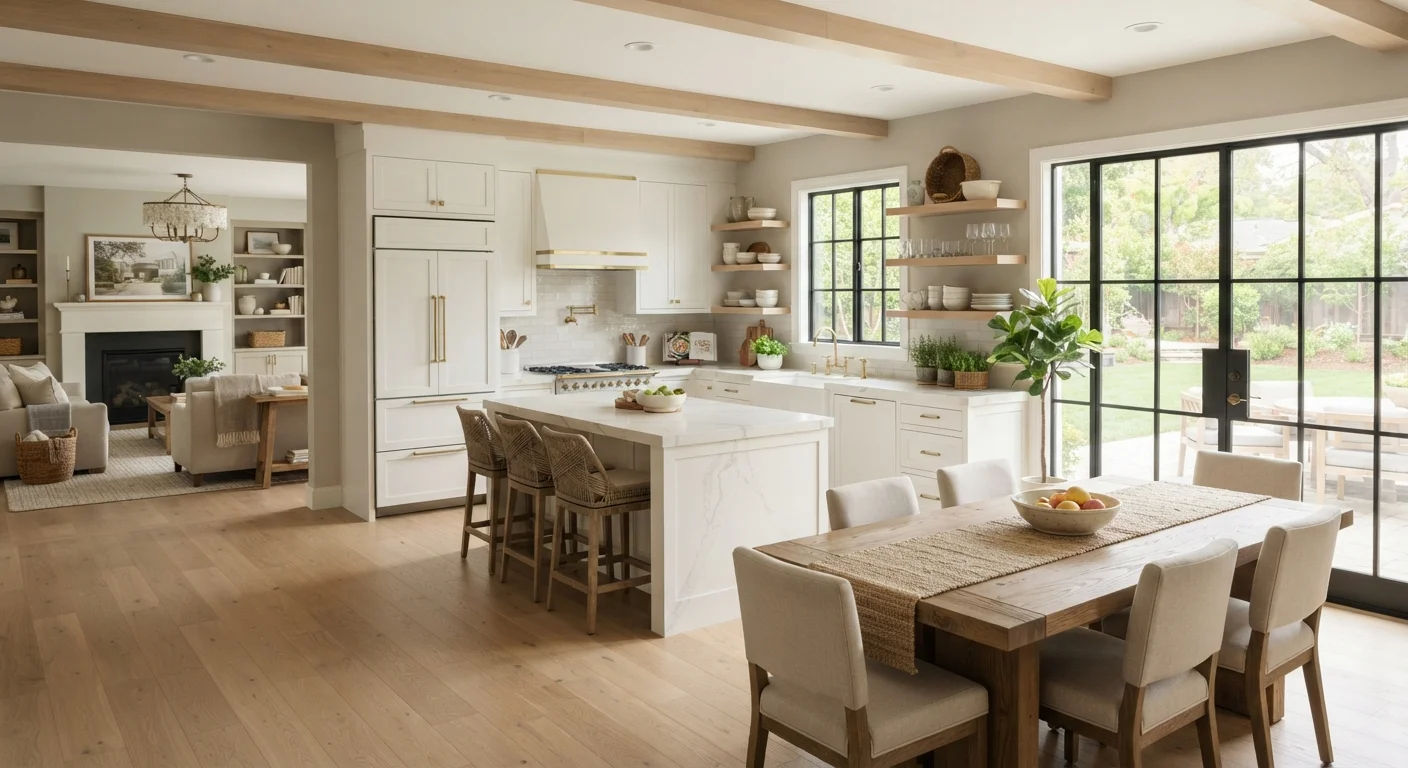
Photo: AskSpecialist.net editorial
Key Takeaways
- Over-improving a home beyond neighborhood norms rarely returns full investment at resale.
- Curb appeal has an outsized psychological effect on buyer perception and offer prices.
- Unpermitted work can derail a sale or reduce a home's appraised value significantly.
- Highly personalized finishes often cost sellers more to undo than they added in value.
- Energy efficiency upgrades increasingly influence buyer decisions, especially in competitive markets.
- Neglecting maintenance before listing typically signals deeper problems to experienced buyers.
Why Renovation Choices Matter More Than Most Homeowners Expect
Most homeowners approach renovation with a reasonable goal: improve the home, enjoy it, and recoup the cost when it sells. But the relationship between renovation spending and resale return is rarely one-to-one - and sometimes it works against you. Certain decisions quietly erode value, while others deliver well beyond their price tag.
If you're new to home improvement, our beginner's guide to home renovation is a solid starting point before you commit to any project. For those already mid-project, understanding which decisions move the needle - and which ones don't - can help you prioritize smarter from here on out.
Below are seven renovation decisions that consistently affect resale value more than homeowners expect, for better or worse.
Over-improving for the neighborhood
Adding a $100,000 kitchen to a street where homes sell for $250,000 is a common and costly mistake. Appraisers evaluate homes relative to comparable sales nearby - meaning your high-end finishes may not be reflected in the appraised value if neighbors' kitchens are modest. Buyers also tend to self-select by neighborhood price range, so the buyer pool most likely to purchase your home may not value - or be able to finance - the premium you've built in.
Before committing to a major renovation, research recent sales of comparable homes in your specific area. If your planned upgrade would push your home significantly above the neighborhood ceiling, scale back or redirect that budget toward improvements with broader appeal.
Upgrading beyond neighborhood norms rarely returns full cost at resale - appraisers compare locally.
Skipping permits on structural or mechanical work
Unpermitted additions, finished basements, and electrical upgrades are among the most common deal-breakers discovered during home inspections and title searches. Buyers - and their lenders - can walk away from unpermitted work, require you to tear it out, or demand a significant price reduction to assume the risk themselves.
Pulling a permit isn't just red tape. It creates a legal record that the work was inspected and meets local building codes - and that record reassures future buyers. Note that permit requirements vary by municipality, so always verify what's required in your area before starting any project.
Unpermitted work discovered during a home inspection can derail a sale or reduce your asking price.
Neglecting curb appeal
Buyers form strong impressions before they step through the front door. Peeling paint, an overgrown lawn, a cracked driveway, or tired landscaping tells a story - usually one about deferred maintenance - that's hard to undo with a stunning interior. Real estate professionals often note that homes with strong curb appeal tend to attract more showings and better initial offers than interior-heavy improvements alone might generate.
The good news: curb appeal improvements are typically among the most cost-effective upgrades available. Fresh paint on the front door, clean gutters, trimmed shrubs, and a healthy lawn go a long way without requiring large investment.
Buyers make snap judgments from the curb - first impressions directly influence what they're willing to offer.
Highly personalized finishes and layouts
A converted garage turned into a home recording studio, a bold hand-painted mural across the living room, or a removed bedroom wall to create a single open loft - these choices reflect genuine personal style, but they narrow your buyer pool significantly. Buyers who don't share your vision often can't see past it, and those who do may still offer less to account for the cost of reversing it.
Where personalization is important to you, consider applying it in ways that are easier to reverse - paint, fixtures, removable wall treatments - rather than structural changes or permanent finishes that are costly to undo.
Highly personal design choices often cost sellers more to reverse than they ever added in enjoyment.
Ignoring energy efficiency
Energy efficiency has moved from a nice-to-have to a genuine purchase consideration for a growing share of buyers. Older windows, poor insulation, and outdated HVAC systems can raise red flags - both for operating costs and for the signal they send about overall home condition. Buyers increasingly ask about utility bills and insulation quality during the search process.
Upgrades like attic insulation, air sealing, and efficient HVAC systems often recoup a solid portion of their cost - and appeal to buyers motivated by long-term operating costs. Our article on why homeowners regret skimping on insulation covers the long-term costs of under-insulating in detail.
Energy efficiency is a growing buyer priority - poor insulation and aging systems can reduce perceived home value.
Inconsistent finish quality throughout the home
A beautifully renovated primary suite paired with a dated, worn-out guest bathroom creates a jarring mismatch that experienced buyers immediately notice. Inconsistency signals that improvements were reactive or incomplete, and it raises the question of what else might not have been addressed. Buyers often mentally price in the cost of bringing the rest of the home up to the renovated standard.
Rather than putting all your renovation budget into one showpiece room, consider spreading investment more evenly. Bringing all bathrooms to a consistent, clean, updated standard typically does more for resale than one exceptional renovation surrounded by obvious neglect.
Mismatched finish quality throughout a home signals incomplete work and prompts buyers to discount their offers.
Deferred maintenance disguised as renovation
Painting over water-stained ceilings, re-grouting without addressing underlying moisture, or replacing a surface without fixing the root cause are all forms of deferred maintenance that experienced inspectors - and buyers - catch quickly. These shortcuts don't just fail to add value; they can actively destroy trust in the transaction and invite re-negotiation or deal collapse.
Legitimate renovation adds value on top of a well-maintained foundation. Before investing in upgrades, ensure the core systems - roof, plumbing, electrical, HVAC - are in sound working order. Buyers and their inspectors will look there first, and clean inspection reports carry real value at closing.
Cosmetic fixes that mask underlying maintenance issues erode buyer trust and often surface during inspection.
Making Renovation Decisions With Resale in Mind
None of this means you should renovate purely for an imagined future buyer. You live in your home, and your comfort matters. But when a decision genuinely affects resale value - in ways that aren't obvious - it's worth understanding the dynamics before you spend.
Get a Pre-Sale Walkthrough From a Professional
Location also shapes how buyers perceive your upgrades. A renovation that commands a premium in one neighborhood may be taken for granted - or ignored entirely - in another. Our guide on evaluating a neighborhood before buying explains the market signals that influence what buyers value most in a given area.
The clearest path forward: renovate with both livability and resale logic in mind, get the necessary permits, keep quality consistent throughout, and don't overlook the basics in favor of the flashy.
The content on this site is provided for informational purposes only and should not be considered a substitute for professional advice. While we strive to provide accurate and up-to-date information, we make no guarantees regarding its completeness or accuracy. Always consult a qualified professional for advice specific to your circumstances before making any decisions.