
The Myths Homeowners Believe About DIY Electrical Work

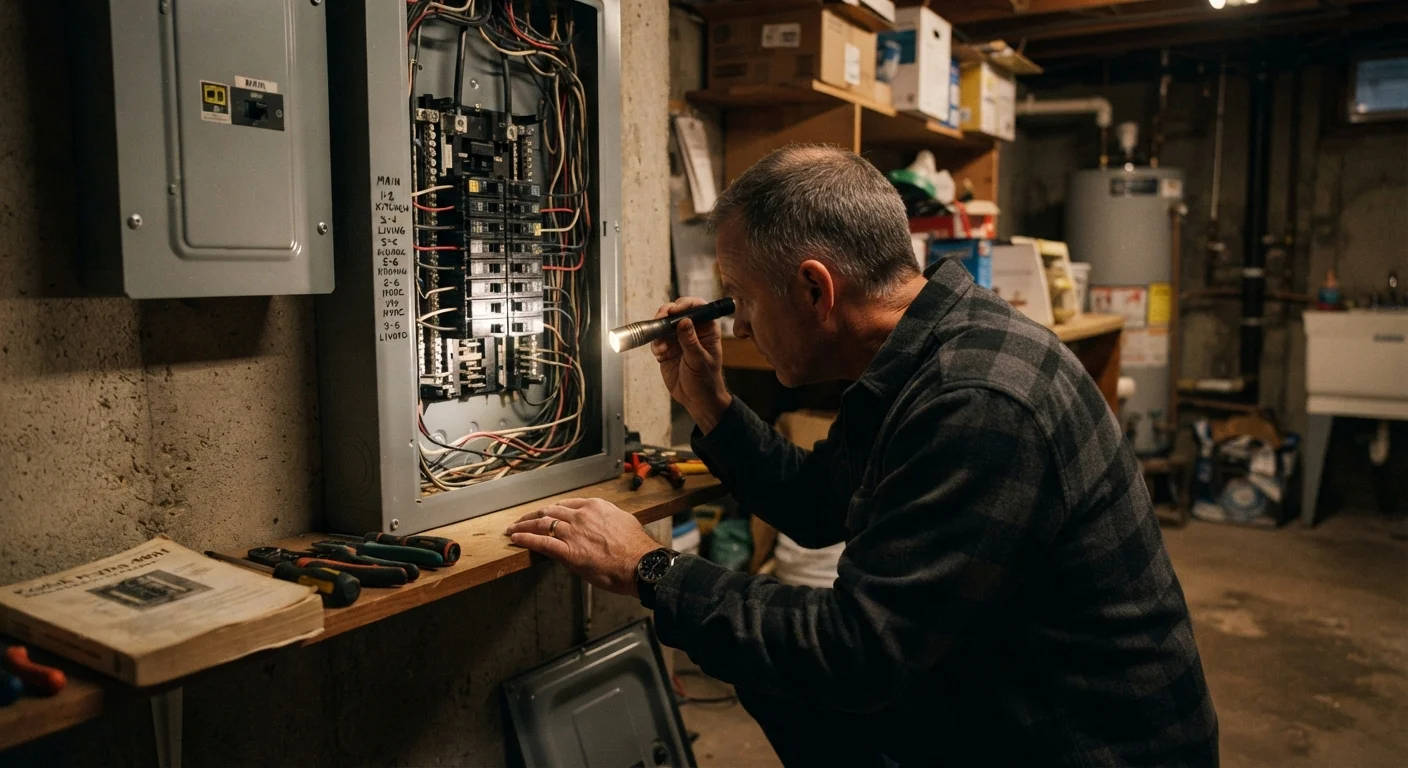
Photo: AskSpecialist.net editorial
Key Takeaways
- Flipping a circuit breaker does not make a panel safe to work inside without proper precautions.
- Many electrical tasks require permits and inspections, even when they seem simple.
- Replacing an outlet or switch is beginner-friendly; working near the panel typically is not.
- Rubber-soled shoes and household gloves do not provide meaningful electrical protection.
- Improper wiring is a leading cause of residential fires - code compliance matters.
Why Electrical Myths Are More Dangerous Than Most
Homeowners tackle plumbing drips, patch drywall, and refresh paint without much hesitation - and often with great results. Electrical work feels similarly approachable, partly because the basic components (outlets, switches, wire) look simple. But unlike a leaky faucet, a wiring mistake can stay hidden inside a wall for years before triggering a fire or injury. That invisibility is exactly why electrical misconceptions are worth taking seriously.
This isn't about discouraging capable homeowners. Replacing a faulty outlet, installing a ceiling fan on an existing circuit, or adding a dimmer switch are genuinely manageable DIY tasks for someone who takes proper precautions and follows code. The goal is helping you draw the right line - and that requires understanding which beliefs about electrical work are simply wrong. For a broader look at where DIY confidence is well-placed versus where professional help is the smarter call, see our guide on when to DIY and when to call a professional.
Myth
If I flip the circuit breaker off, the panel is completely safe to work on.
Fact
Turning off a breaker de-energizes downstream circuits, but the main lugs and utility feed lines inside the panel remain live at all times.
Many homeowners assume a tripped or switched-off breaker makes the entire panel safe. In reality, the wires entering the top of your panel from the utility - often called the service entrance conductors - are always energized, even when your main breaker is off. Only the utility company can de-energize those lines. Working inside a panel without understanding this distinction can result in fatal electrocution. Interior panel work is almost universally the domain of licensed electricians.
Myth
Simple electrical jobs don't need a permit - it's just paperwork.
Fact
Many jurisdictions require permits for work as routine as adding a new outlet or replacing a panel breaker.
Permit requirements vary by municipality, but skipping them carries real consequences. Unpermitted electrical work can void homeowner's insurance coverage if a fire or injury results, create complications when selling your home, and leave dangerous, code-violating wiring hidden in your walls. Always check with your local building department before starting any wiring project - not after. A quick permit application is far less costly than a failed home inspection or a denied insurance claim.
Myth
Rubber-soled shoes and rubber gloves protect me from electrocution.
Fact
Standard rubber-soled shoes and household latex or rubber gloves offer little reliable protection against residential voltage.
True electrical PPE - rated insulating gloves - must meet specific ASTM standards and are tested at voltages far higher than household current. The rubber soles on sneakers and the thin latex in dish gloves are not engineered or rated for electrical insulation. Depending on them creates a false sense of safety. If a task genuinely requires insulated protection, consult an electrician who has the appropriate, certified gear.
Myth
As long as the wires are connected, the polarity doesn't matter.
Fact
Reversed polarity - hot and neutral wired backwards - creates a genuine shock hazard even when a device appears to function normally.
An outlet with reversed polarity may power a lamp or phone charger without obvious issue, but it puts the metal screw shell of a lamp socket at full line voltage rather than neutral. Anyone changing a bulb could receive a serious shock. Polarity errors are also implicated in damage to electronics sensitive to wiring direction. A simple outlet tester (widely available at hardware stores for a few dollars) can identify this problem instantly - use one to verify every outlet you install or replace.
Myth
Electrical tape is a permanent, code-compliant fix for damaged wire insulation.
Fact
Electrical tape is a temporary measure at best and is not an approved substitute for replacing damaged wiring or using listed wire connectors.
Electrical tape can degrade over time with heat cycling, moisture, and age. The NEC - the model code adopted in most U.S. states - requires that wire splices and connections be made with listed connectors (such as wire nuts or push-in connectors) and enclosed in a proper junction box. A length of tape over nicked insulation hidden inside a wall cavity is a fire risk. If wiring is visibly damaged, the correct action is to replace the affected section or consult a licensed electrician.
Myth
If a circuit hasn't tripped, the wiring must be fine.
Fact
Circuit breakers protect against overloads and shorts - they do not detect loose connections, undersized wiring, or arcing faults unless an AFCI breaker is installed.
A standard breaker trips when current exceeds its rating, but many dangerous wiring faults - including loose terminal connections that arc and smolder - can persist for years without ever tripping a conventional breaker. Arc-fault circuit interrupters (AFCIs) are specifically designed to detect this type of hazard and are now required by the NEC in most living areas of new construction. If your home has older wiring or was built before AFCI requirements took effect in your area, a qualified electrician can assess whether upgrades make sense for your situation.
What Safe DIY Electrical Work Actually Looks Like
With the myths cleared away, the practical picture becomes clearer. Tasks that stay downstream of the panel - replacing a switch or outlet on a known, de-energized circuit, installing a ceiling fan on an existing box, or adding a smart dimmer - are generally within reach for a careful, code-aware homeowner. The key steps are consistent: confirm the circuit is off with a non-contact voltage tester (not just by flipping a breaker), work with the panel directory to identify the correct breaker, and verify your work with an outlet tester before restoring power.
Always Verify Power Is Off Before You Touch Wiring
Anything that requires opening the panel, running new circuits, upgrading service amperage, or working with aluminum wiring found in some homes built between the 1960s and 1970s falls into a different category. These tasks carry meaningful risk and, in most jurisdictions, require a licensed electrician and a permit. For a broader look at home care beliefs that lead to costly mistakes, the home maintenance myths that cost homeowners real money article is worth a read. Being a confident, informed homeowner means knowing both what you can handle and when to hand the work off - and that's a distinction worth making clearly every time.
The content on this site is provided for informational purposes only and should not be considered a substitute for professional advice. While we strive to provide accurate and up-to-date information, we make no guarantees regarding its completeness or accuracy. Always consult a qualified professional for advice specific to your circumstances before making any decisions.