
Why Homeowners Regret Skimping on Insulation

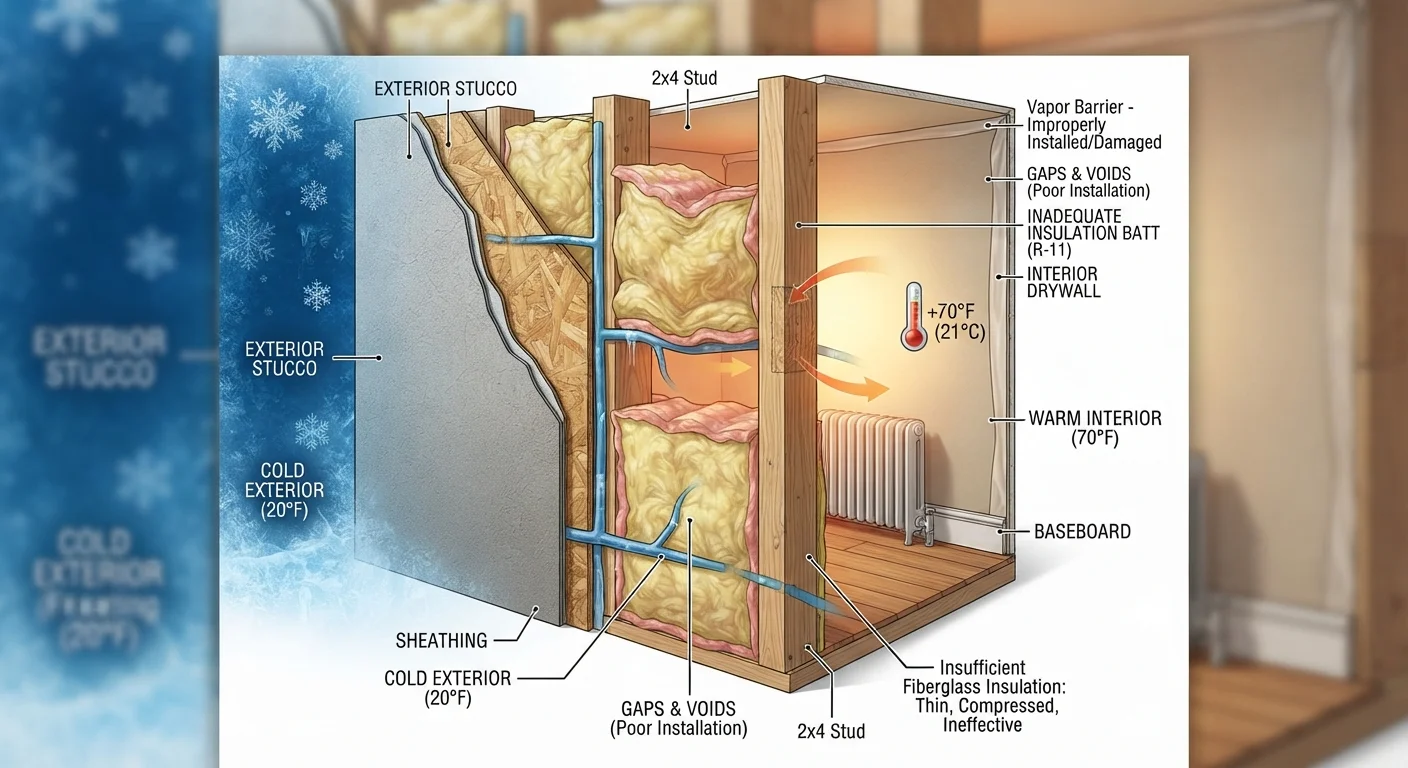
Photo: AskSpecialist.net editorial
Key Takeaways
- Choosing insulation based on upfront cost alone almost always costs more over time.
- Skipping professional assessment leads to mismatched insulation types and coverage gaps.
- Air sealing must accompany insulation or thermal performance drops significantly.
- Inadequate insulation affects moisture control, indoor air quality, and roof longevity - not just energy bills.
- Insulation R-values required by code vary by climate zone and building location.
The Hidden Cost of Under-Insulating
Insulation rarely makes a home's wish list the way a remodeled kitchen or new flooring does. It's invisible, unglamorous, and easy to minimize when renovation budgets tighten. But that invisibility is exactly what makes skimping on it so costly - the consequences accumulate silently, showing up in high utility bills, uncomfortable rooms, moisture problems, and accelerated wear on HVAC systems.
Under-insulation isn't always a dramatic oversight. It's usually a series of small compromises: choosing minimum code values, skipping air sealing, or missing the attic entirely while focusing on walls. Each decision seems minor in isolation. Together, they add up to a home that works harder and costs more to maintain than it should. The home maintenance myths that lead homeowners into expensive mistakes often originate in the same place - assuming that meeting minimum standards is the same as doing the job well.
Up to 30%
Heating and cooling energy lost through poor insulation
The U.S. Department of Energy estimates that air leaks and inadequate insulation account for up to 30% of home heating and cooling energy losses.
90%
U.S. homes estimated to be under-insulated
The North American Insulation Manufacturers Association has estimated that approximately 90% of existing U.S. homes lack sufficient insulation.
R-38 to R-60
Recommended attic R-value for most U.S. climate zones
According to the U.S. Department of Energy, recommended attic insulation levels range from R-38 to R-60 depending on a home's climate zone.
Common Insulation Mistakes - And How to Avoid Them
The mistakes homeowners make with insulation tend to follow recognizable patterns. Understanding why they happen is just as important as knowing how to correct them.
Choosing the minimum R-value required by code rather than what the climate actually demands.
Installing insulation without first air-sealing gaps, penetrations, and bypasses.
Compressing batt insulation to fit tight cavities, which degrades its R-value.
Neglecting the attic when insulating other parts of the home.
Using the wrong insulation type for the application or climate.
Ignoring insulation during renovations because the walls are already open.
Insulation Is a Building System, Not a Product
Getting Insulation Right the First Time
The best time to address insulation is during a renovation, when walls and ceilings are already open and access is straightforward. The second-best time is now, before another heating or cooling season passes. A home energy audit - available through many utility companies and certified building performance contractors - can identify exactly where insulation is insufficient and which improvements will have the greatest impact.
Insulation decisions also have lasting consequences for your home's resale appeal. Buyers are increasingly energy-conscious, and a well-insulated home with documented efficiency measures is a meaningful differentiator. See when to repair vs. replace common home systems for a framework that applies similar thinking to other major home components.
Done right, insulation is one of the most durable investments a homeowner can make - materials that last decades without maintenance, requiring no upkeep once properly installed. The regret comes only when corners are cut. Approach it as a system, match materials to application, and don't let an open wall close without asking whether the insulation inside is actually doing the job it needs to do.
The content on this site is provided for informational purposes only and should not be considered a substitute for professional advice. While we strive to provide accurate and up-to-date information, we make no guarantees regarding its completeness or accuracy. Always consult a qualified professional for advice specific to your circumstances before making any decisions.