
When to Repair vs. Replace: Making Sense of the Decision for Common Home Systems

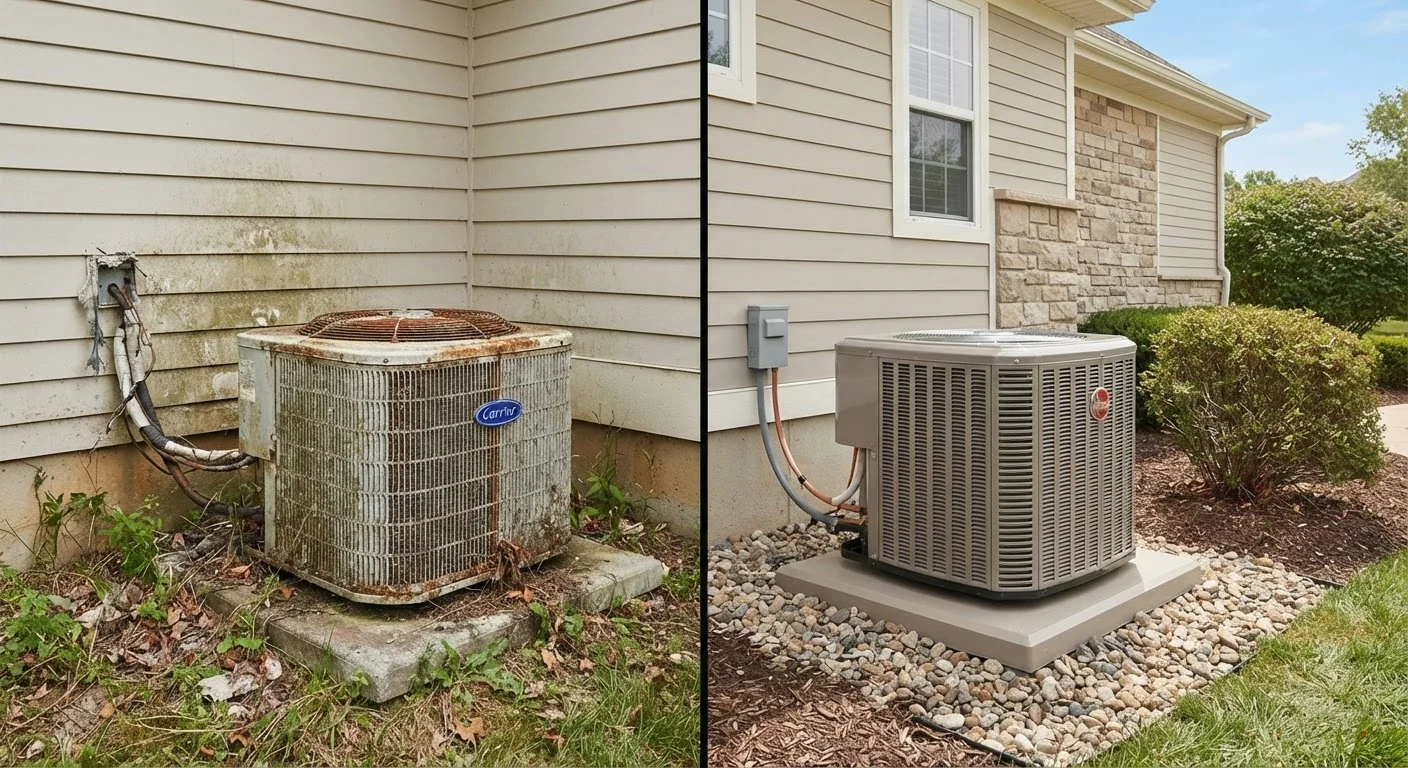
Photo: AskSpecialist.net editorial
Key Takeaways
- The 50% rule offers a useful starting point: if repair costs exceed half the replacement cost, replacement often makes more financial sense.
- System age matters as much as repair cost - older systems near end-of-life are rarely worth major investment.
- Routine maintenance consistently delays the repair-or-replace decision by extending system lifespans.
- Energy efficiency gains from replacement can offset upfront costs over time, especially for HVAC and windows.
- Safety issues - especially with gas appliances, electrical systems, or roofing - should shift the decision toward replacement sooner.
A Framework for Thinking About Repair vs. Replace
Every homeowner eventually faces the same uncomfortable moment: something breaks, and you need to decide whether to fix it or replace it entirely. Getting this decision right matters - both for your wallet and for the long-term health of your home.
A widely used starting point is the 50% rule: if the cost of a repair exceeds 50% of what it would cost to replace the system outright, replacement is generally the smarter financial move. But that figure alone doesn't tell the whole story.
Three additional factors should shape every repair-or-replace decision:
- Age relative to expected lifespan: A repair that buys two more years out of a system already at the end of its useful life rarely pays off.
- Repair frequency: One-time fixes are different from a pattern of recurring failures. Repeated repairs signal deeper decline.
- Safety and efficiency implications: An aging system that poses a safety risk or drives up energy bills changes the math significantly.
Proactive upkeep is the best way to push this decision further into the future. See our guide to building a home maintenance routine for a practical starting point.
How Common Home Systems Stack Up
Different systems have very different cost structures, lifespans, and failure modes. Here's how the repair-or-replace calculus typically plays out for the most common ones.
| HVAC | Roofing | Windows | Major Appliances | |
|---|---|---|---|---|
| Typical lifespan | 15-20 years | 20-30 years | 20-40 years | 10-15 years |
| Repair threshold (50% rule) | ~$2,500-$6,000 | ~$5,000-$10,000 | ~$200-$600 per window | ~$150-$500 |
| Common repair triggers | Refrigerant leaks, capacitor failure | Missing shingles, flashing damage | Failed seal, hardware wear | Motor, pump, or compressor failure |
| Common replace triggers | Age 15+, compressor failure | 30%+ surface damage, deck rot | Widespread energy loss | Repeated failures, age 12+ |
| Safety concern level | High (gas/electrical) | High (structural risk) | Low to moderate | Moderate (gas models) |
| Energy efficiency impact | Very high | Moderate | High | Moderate |
HVAC systems are among the most expensive to replace (often $5,000-$12,000 depending on size and type), so repairs feel attractive. However, systems older than 15 years that require compressor or heat exchanger work are usually better candidates for replacement, especially when efficiency has degraded.
Roofing decisions hinge heavily on how much of the surface is affected. Isolated damage - a handful of missing shingles, a flashing repair - is almost always worth fixing. But if more than 30% of the surface is compromised, or the decking beneath is damaged, a full replacement is typically more cost-effective long-term.
Windows present a nuanced case. Broken seals, hardware failure, and minor frame damage are often repairable. But if energy loss is a persistent problem across multiple windows, replacement with energy-efficient units can reduce heating and cooling costs noticeably over time. Pairing new windows with proper caulking and weatherstripping also helps maximize performance.
Major appliances (refrigerators, dishwashers, washing machines) typically follow the 50% rule most cleanly. A refrigerator with a 12-year expected lifespan that needs a $400 compressor repair at year 10 may be worth fixing - but the same repair on a 14-year-old unit is harder to justify.
When Safety Overrides the Cost Calculation
Cost-benefit analysis has limits. Certain failure modes should push the decision toward replacement - or at minimum toward professional evaluation - regardless of age or repair cost.
Don't Let Cost Delay a Safety Decision
Gas appliance failures (cracked heat exchangers, faulty burners), electrical panel issues, and significant structural roofing damage all fall into this category. In these cases, delaying replacement while continuing to use a compromised system introduces risk that no repair savings can justify.
Knowing when to involve a licensed professional is equally important. Our article on DIY maintenance vs. calling a professional outlines where the line typically falls for common home systems - and when permits or inspections may be required.
If you're a renter rather than an owner, the repair-or-replace decision may not be yours to make at all. Learn how maintenance responsibility is typically divided between landlords and tenants before taking action on a failing system.
Resale Value and Long-Term Planning
Your time horizon in the home adds another dimension to the decision. If you plan to sell within a few years, the equation shifts.
Minor cosmetic repairs almost always make sense before a sale - buyers notice them and sellers often absorb the cost through reduced offers. For major systems like HVAC, roof, or water heater, a documented recent replacement can be a meaningful selling point, though it doesn't guarantee a dollar-for-dollar return. Our related piece on renovation decisions that affect resale value explores which investments tend to matter most to buyers.
For those planning to stay long-term, prioritizing systems that affect daily comfort, safety, and energy costs tends to deliver the most tangible return. A well-maintained home with systems in good working order is easier and less expensive to manage year over year - which is reason enough to take the repair-or-replace decision seriously every time it comes up.
When in doubt, getting a written estimate from a qualified contractor for both repair and replacement gives you the concrete numbers needed to compare clearly. That information, combined with the framework above, puts you in a much stronger position to make a confident, informed call.
The content on this site is provided for informational purposes only and should not be considered a substitute for professional advice. While we strive to provide accurate and up-to-date information, we make no guarantees regarding its completeness or accuracy. Always consult a qualified professional for advice specific to your circumstances before making any decisions.