
What Deferred Maintenance Really Costs: The Compounding Problem of Putting Things Off

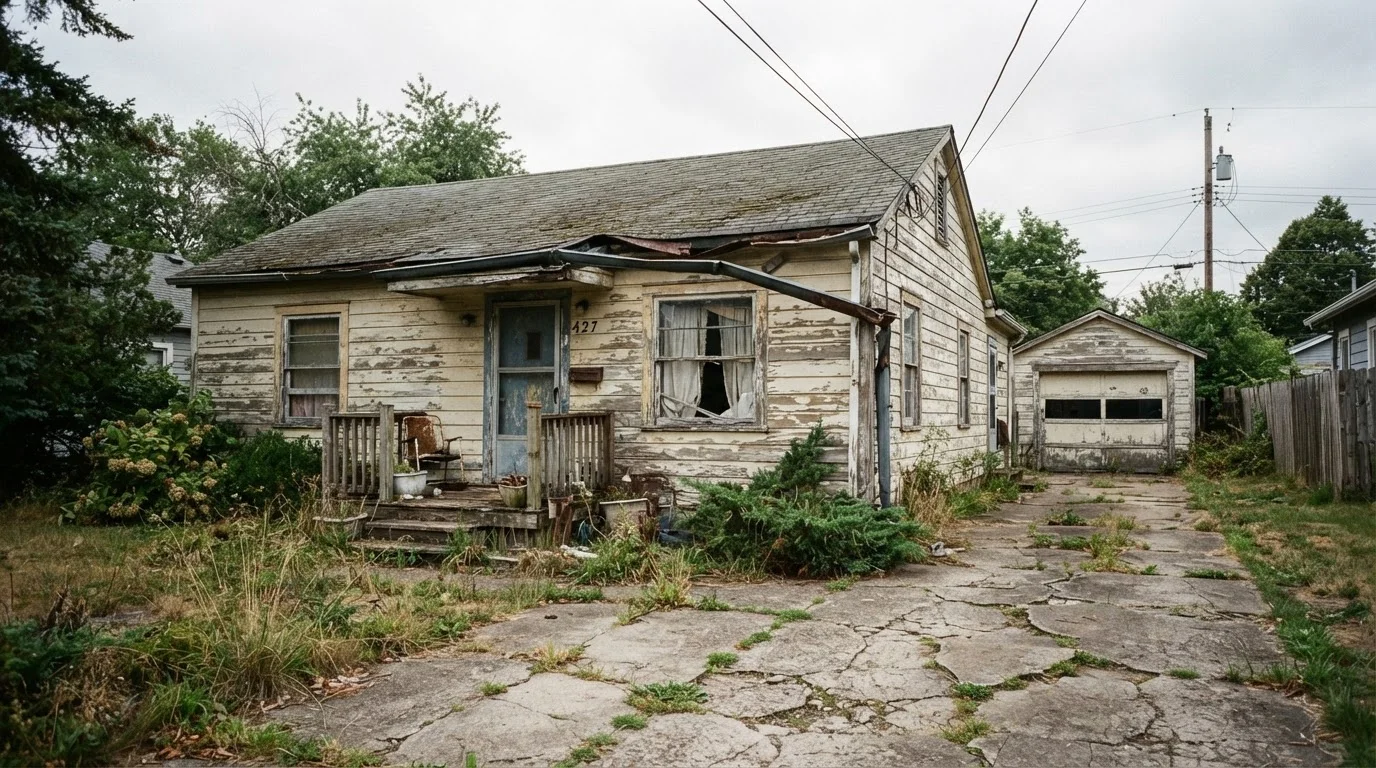
Photo: AskSpecialist.net editorial
Key Takeaways
- Small maintenance issues left unaddressed tend to trigger larger, more expensive secondary damage.
- Routine upkeep generally costs a fraction of what emergency or structural repairs run.
- Deferred maintenance can reduce your home's market value and complicate future sales or refinancing.
- Most compounding damage follows predictable patterns that homeowners can recognize and prevent.
- A consistent maintenance schedule is one of the most effective ways to protect your home investment.
Why Maintenance Debt Compounds
Deferred maintenance behaves a lot like financial debt - the longer you carry it, the more it costs. A small problem does not simply wait in place. It continues to interact with weather, load, moisture, and time, and those forces tend to accelerate damage rather than hold it steady.
Consider a missing shingle. On its own, it's a minor repair. But the exposed underlayment beneath it absorbs rain. That moisture works into the roof deck, beginning the slow process of wood rot. Rot weakens the deck's structural integrity. Water eventually finds its way to the attic insulation, then to ceiling drywall. What started as a $150 shingle replacement can evolve into a repair that costs several thousand dollars - touching framing, insulation, and finished interior surfaces.
This escalation pattern repeats across nearly every home system. The repair itself rarely shrinks over time. More often, its scope expands to include secondary and tertiary damage that wasn't present when the original problem was first noticed.
When to Call a Licensed Professional
The Systems Most Vulnerable to Compounding Neglect
Some home systems carry more compounding risk than others. Water is the most common accelerant - anywhere moisture can enter, penetrate, or pool undetected, small problems grow quickly.
- Roofing and gutters: Clogged gutters cause water to back up under roofing materials or pool against foundation walls. Gutter cleaning is inexpensive; foundation waterproofing is not.
- Windows and doors: Dried or cracked caulking allows air and water infiltration, raising energy costs and enabling rot in surrounding framing.
- HVAC systems: Filters, coils, and drain lines that go unserviced force the system to work harder, increasing energy use and shortening equipment life. A neglected condensate drain line can overflow and cause water damage to surrounding materials.
- Plumbing: A slow drip under a sink seems trivial. Over months, it can warp cabinet flooring, encourage mold growth, and damage the subfloor beneath.
- Exterior paint and siding: Paint isn't cosmetic - it's a moisture barrier. When it fails, the materials beneath absorb water and begin to deteriorate.
Understanding which systems carry the highest compounding risk helps homeowners prioritize where to focus attention first. Check out our common home maintenance myths to avoid misplaced priorities.
1%-4%
Recommended annual home maintenance budget
Financial planning guidelines commonly suggest homeowners set aside 1% to 4% of their home's value annually for maintenance, with older or larger homes trending toward the higher end.
3x-10x
Cost multiplier when repairs are delayed
Industry estimates from home inspection and construction professionals frequently cite that deferred repairs cost three to ten times more than the original fix once secondary damage is factored in.
~35%
Home value impact from visible deferred maintenance
Real estate appraisers and buyer surveys have found that significant accumulated deferred maintenance can reduce perceived home value by a substantial margin during sale negotiations.
The Financial Reality: Routine Care vs. Emergency Repairs
Routine maintenance tasks are, almost universally, cheaper than the repairs that result from skipping them. Annual HVAC servicing, for example, costs a predictable amount each year. Replacing an HVAC unit that failed prematurely due to neglect costs many times that amount - plus any damage caused during a system failure in extreme weather.
This dynamic applies to vehicles as well. Skipping scheduled oil changes to save money in the short term can contribute to engine wear that leads to far more expensive repairs down the line. Our article on the hidden costs of owning a car explores how maintenance avoidance affects total ownership cost.
Beyond direct repair bills, deferred maintenance carries indirect costs. Homes with documented maintenance issues appraise lower, can be harder to insure at favorable rates, and often face complications during sale - including buyer-negotiated price reductions that frequently exceed what the repairs themselves would have cost.
Building the Habit That Prevents the Problem
The most effective response to compounding maintenance costs isn't a large one-time catch-up effort - it's a consistent habit that prevents accumulation in the first place. Annual home walkthroughs, seasonal checklists, and a running log of known issues give homeowners the visibility to act before small problems escalate.
Prioritization matters when resources are limited. Water intrusion, structural concerns, and safety-related systems (electrical, gas appliances, carbon monoxide detectors) should always come first. Cosmetic or comfort issues can reasonably follow once higher-risk items are addressed.
If you're starting from zero, our step-by-step guide to building a home maintenance routine walks through how to build a realistic, sustainable system - without requiring a large upfront investment of time or money.
Start With a Simple Home Inventory
The goal isn't perfection. It's consistent, informed attention - catching the missing shingle before the attic fills with water, and the slow drip before it warps the subfloor. That level of awareness is what separates reactive, expensive homeownership from the kind that protects and preserves what's likely your largest asset.
Frequently Asked Questions
The content on this site is provided for informational purposes only and should not be considered a substitute for professional advice. While we strive to provide accurate and up-to-date information, we make no guarantees regarding its completeness or accuracy. Always consult a qualified professional for advice specific to your circumstances before making any decisions.