
Building a Home Maintenance Routine From Scratch

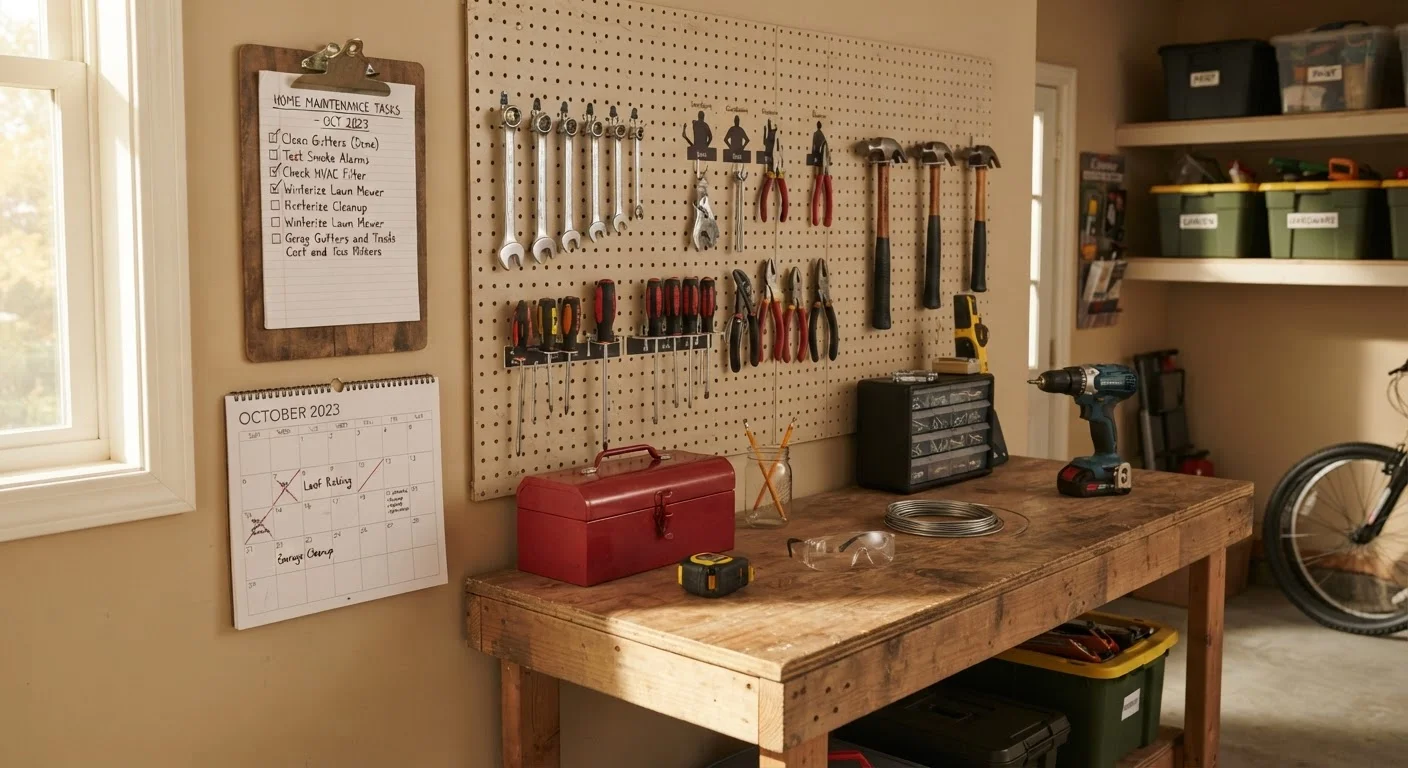
Photo: AskSpecialist.net editorial
Key Takeaways
- Routine maintenance prevents small problems from becoming expensive repairs.
- A home audit is the essential first step before building any schedule.
- Tasks fall into monthly, seasonal, and annual categories - each matters.
- Knowing your DIY limits protects both your safety and your home.
- A written maintenance log helps you track work and plan future spending.
Why a Maintenance Routine Matters
Most home repairs that feel sudden weren't. A leaking roof, a failed water heater, or a flooded basement nearly always show warning signs weeks or months before disaster strikes. The difference between catching those signs early and facing a $10,000 emergency often comes down to one thing: a consistent maintenance habit.
Think of your home the way you'd think about any complex system with interrelated parts. When any one component is neglected, the effects ripple outward - a clogged gutter leads to water intrusion, which leads to rot, which eventually becomes a structural issue. Preventive attention at each step interrupts that chain.
Beyond cost savings, routine upkeep preserves indoor comfort, improves energy efficiency, and protects your home's long-term value. It also makes you a more informed homeowner - someone who understands what they own and can make smarter decisions when things do go wrong. Be sure to also learn about common home maintenance myths that can lead even well-meaning homeowners astray.
1%
Annual home value to budget for maintenance
A commonly cited rule of thumb among housing professionals suggests setting aside roughly 1% of your home's value each year for routine upkeep and repairs.
$15,000+
Average cost of water damage restoration
The Insurance Information Institute notes that water damage and freezing are among the most frequent and costly homeowner insurance claims in the US.
85%
Of HVAC failures linked to lack of maintenance
Industry estimates from HVAC trade associations suggest the large majority of heating and cooling system breakdowns are preventable with regular servicing.
Start With a Home Audit
Before you can schedule anything, you need a clear picture of what you're working with. Walk through your home - room by room, inside and out - and note the condition of every major system and surface. This includes your roof, gutters, foundation, siding, windows and doors, HVAC system, plumbing fixtures, electrical panel, and any outdoor structures like decks or fences.
You're not looking for perfection. You're looking for anything that appears worn, stained, cracked, slow to drain, unusually noisy, or otherwise out of the ordinary. Write it down. Photographs help too - they give you a baseline to compare against year over year.
Our annual home inspection checklist provides a thorough room-by-room reference if you want a structured starting point. Once you've completed your audit, you'll have a list of deferred tasks to address immediately and a baseline from which to build your ongoing schedule.
During your initial audit, pay close attention to the grading around your foundation - the ground should slope away from the house at least six inches over the first ten feet. Improper grading is one of the leading causes of basement moisture problems, and it costs nothing to identify early.
When you service or replace any home component, photograph the model number and installation date and store that image in a dedicated phone album labeled 'Home Systems.' You'll always have it when you need a replacement part or a service interval.
Build Your Maintenance Calendar
A maintenance calendar turns a vague intention into a practical system. The goal is to distribute tasks across the year so no single month becomes overwhelming, and so nothing falls through the cracks.
Structure your calendar around three time horizons:
- Monthly tasks: Quick checks that take under an hour and catch problems early.
- Seasonal tasks: Deeper work tied to weather transitions - spring and fall are typically the heaviest maintenance seasons.
- Annual tasks: Inspections and servicing that happen once a year, often requiring a professional.
For a detailed month-by-month reference, the seasonal home maintenance calendar maps out what to tackle and when across all four seasons. Use it as a supplement to the personal calendar you build from your own home audit findings.
Once your calendar is built, add task reminders to your phone or a shared household calendar so the schedule becomes a habit rather than a mental burden.
Monthly and Seasonal Task Breakdown
Here's a practical overview of what a well-rounded routine covers across time horizons:
Monthly
- Test smoke and carbon monoxide detectors; replace batteries as needed.
- Check HVAC filters - replace 1-inch filters monthly, or per manufacturer guidance for thicker filters.
- Run water in rarely used sinks or tubs to prevent drain traps from drying out.
- Inspect under sinks for signs of moisture or slow leaks.
Spring and Fall
- Spring: Clean gutters after winter debris, inspect the roof for winter damage, test your air conditioning system before hot weather arrives, check window and door seals, and walk the foundation perimeter for cracks or settling. Our spring yard cleanup checklist covers outdoor spaces in detail.
- Fall: Flush and drain outdoor faucets before frost, service your heating system, clean the dryer vent, and check attic insulation and ventilation ahead of winter.
Annual
- Have your HVAC system professionally serviced.
- Inspect the roof - either yourself from the ground with binoculars, or by hiring a roofing professional.
- Flush the water heater tank to remove sediment buildup.
- Hire a licensed electrician to inspect your panel if the home is older or if you've noticed flickering lights or tripped breakers.
Moisture-related issues deserve particular attention year-round. Understanding how to manage humidity and ventilation is foundational - the guide on mold, air quality, and moisture control is a valuable companion resource.
Knowing When to DIY and When to Call a Pro
A realistic maintenance routine accounts for your actual skill level, available time, and the genuine risk profile of each task. Changing an HVAC filter and caulking a window frame are reasonable DIY tasks for most homeowners. Working on electrical panels, gas lines, structural framing, or the main plumbing stack is not - these require licensed professionals in most jurisdictions and carry real safety risks when done incorrectly.
Permits are often required for work beyond simple repairs, even on your own property. Unpermitted work can complicate home sales and may void insurance coverage for related damage. When in doubt, check with your local building department before starting.
For a clear framework on where that line falls, see our guide on DIY maintenance vs. calling a professional. And when systems reach the end of their useful life, the guide on when to repair vs. replace can help you make cost-effective decisions.
Keep a Maintenance Log
A written maintenance log is one of the most underused tools in home ownership. At its simplest, it's a running record of what was done, when, by whom, and what it cost. Over time, it becomes an invaluable reference - helping you spot recurring problems, plan for upcoming replacements, and demonstrate diligent upkeep if you sell the home.
Your log doesn't need to be elaborate. A spreadsheet, a dedicated notebook, or even a folder of dated photos and receipts will do. Record:
- The date and description of every task completed.
- Whether it was DIY or contractor work, and the contractor's name and license number.
- Parts or materials used, including model numbers for replaceable components.
- Any observations about the system's condition at the time of service.
If you already keep a log for your vehicle, apply the same discipline to your home. The habit-building principles transfer directly - consistency and specificity make the log genuinely useful rather than just a box to check.
Once your routine is running smoothly, you may find yourself thinking about improvements rather than just maintenance. The beginner's guide to home renovation is a natural next step for homeowners who want to go further.
The content on this site is provided for informational purposes only and should not be considered a substitute for professional advice. While we strive to provide accurate and up-to-date information, we make no guarantees regarding its completeness or accuracy. Always consult a qualified professional for advice specific to your circumstances before making any decisions.