
Reading a Home Inspection Report

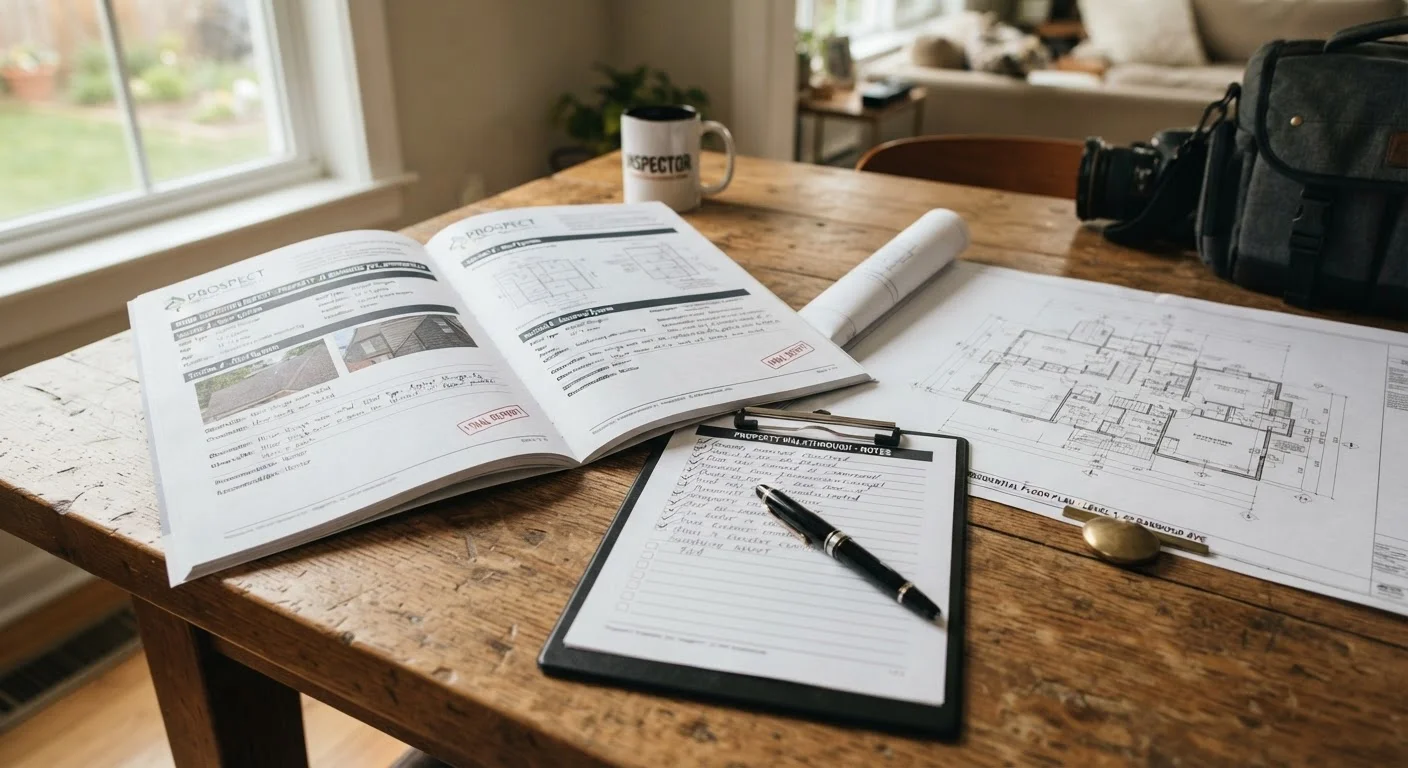
Photo: AskSpecialist.net editorial
Key Takeaways
- Home inspection reports categorize findings by severity - understanding those categories is the first step.
- Safety hazards and major structural or mechanical defects deserve the most negotiating attention.
- Cosmetic and routine maintenance items are generally the buyer's responsibility after closing.
- A second opinion from a licensed specialist is sometimes warranted for flagged issues like roofs or foundations.
- The inspection report is a negotiating tool, not automatically a reason to walk away.
Why Home Inspection Reports Are Worth the Effort
A home inspection report is one of the most information-dense documents in the home purchase process - and one of the most misread. Buyers sometimes treat every flagged item as a crisis, or conversely, glance at the summary page and miss serious problems buried in the body. Neither approach serves you well when you're making one of the largest financial commitments of your life.
Understanding how to read the report methodically turns it into what it's meant to be: a comprehensive picture of the property's condition on a specific date, and a foundation for informed negotiation. If you haven't yet started house hunting, our buyer readiness checklist can help you confirm your finances and priorities are in order before an inspection ever comes into play.
Don't Skip Reading the Full Report
Below is a step-by-step process for working through any standard home inspection report with clarity and confidence.
What you will need
What to Bring to the Process
Having the right resources at hand before you sit down with the report makes the process significantly more efficient. At minimum you'll need the full report, a way to annotate it, and access to your real estate agent or attorney.
Home Inspection Report (PDF or printed copy)
The primary document you will work through to identify and categorize all findings.
Highlighter or annotation tool
Mark high-priority items as you read through the report for easy reference during negotiations.
Licensed specialist (roofer, electrician, structural engineer, etc.)
Provides expert evaluation and repair cost estimates for flagged issues that need deeper assessment.
Real estate agent or attorney
Advises on what to negotiate, what to accept, and how to formally submit repair requests or credits.
Optionally, reviewing how professionals approach structured reports in other contexts - such as what a vehicle history report actually tells you - can reinforce the broader habit of reading any inspection document critically, noting what is confirmed versus what remains unknown.
Step-by-Step: Reading and Acting on the Report
Attend the Inspection in Person
Understand the report's structure and rating system
Before diving into findings, read the inspector's legend or key - usually on the first page. Most reports use a tiered rating system such as Safety Hazard, Major Defect, Minor Defect, and Maintenance Item. Some inspectors use color codes; others use descriptive labels. Understanding what each category means in that specific report prevents misreading a routine maintenance note as a dealbreaker.
Also note the report date, the inspector's license number, and which systems were tested versus visually observed only. Areas marked "not accessible" or "not inspected" represent blind spots you may want addressed separately.
Separate findings into three priority tiers
As you read, sort every flagged item into one of three tiers:
- Tier 1 - Act Now: Safety hazards (exposed wiring, carbon monoxide risks, mold, gas leaks) and major structural or mechanical failures (foundation cracks, failing roof, non-functional HVAC). These require immediate professional attention and are your strongest negotiating points.
- Tier 2 - Plan Soon: Items that are functional but aging or near end of useful life - a water heater past its typical lifespan, worn weatherstripping, or a slow-draining fixture. These affect your near-term maintenance budget.
- Tier 3 - Accept and Monitor: Cosmetic defects, minor cracks in interior drywall, or routine upkeep items. Standard purchase agreements typically treat these as buyer responsibility.
This triage framework keeps your focus where it matters most during the negotiation window.
Get specialist quotes for Tier 1 items
For any major finding - roof condition, foundation movement, HVAC failure, evidence of water damage, or outdated electrical panels - hire a licensed specialist for a dedicated inspection and written estimate before your contingency deadline. General home inspectors are generalists; a structural engineer or licensed electrician will provide the depth of assessment needed to understand true scope and cost.
This step protects you from both over-negotiating (requesting a $15,000 credit for a $3,000 repair) and under-negotiating (accepting a $500 credit for a problem that costs ten times that).
Decide what to negotiate and how
You generally have three options for each significant finding: ask the seller to repair it before closing, request a price reduction, or request a closing cost credit. Each approach has trade-offs. Seller repairs can be done cheaply or inadequately; a credit gives you control but requires upfront cash after closing; a price reduction affects your loan-to-value ratio.
Your real estate agent can help you determine which approach fits the local market and the seller's likely position. In a competitive market, requesting repairs on every minor item may jeopardize the deal - in a slower market, buyers typically have more leverage on Tier 1 and Tier 2 items.
Document your decisions and update your budget
Once negotiations are resolved, save the final inspection report alongside any specialist reports, contractor quotes, and signed addenda. Update your post-closing maintenance budget to account for Tier 2 and Tier 3 items you agreed to accept. Items like an aging water heater or an older roof that passed inspection today still represent costs you should plan for within the next few years.
The inspection report also becomes a valuable reference after you move in - it documents the known condition of every major system at the time of purchase, which is useful for insurance purposes and future maintenance planning. The annual home inspection checklist can help you track those systems year by year once you're in the home.
Inspection Reports Are Not Repair Bids
Keeping the Report in Context
A home inspection captures one day in the life of a property. Inspectors work under real constraints - they cannot see behind walls, under concrete slabs, or inside sealed mechanical systems. The report reflects observable conditions, not a guarantee of hidden defects. Approach it as the best available evidence, not a complete warranty.
Negotiating effectively requires balancing what the inspection reveals against current market conditions. Understanding local market dynamics is part of that context - our guide to reading a local housing market report can help you understand where buyer or seller leverage tends to sit in your area.
Once you close, the inspection report transitions from a negotiating document to a maintenance reference. Use it alongside resources like the home maintenance hub to stay ahead of the items that were flagged but accepted - routine attention to those systems is how you protect the investment you just made.
The content on this site is provided for informational purposes only and should not be considered a substitute for professional advice. While we strive to provide accurate and up-to-date information, we make no guarantees regarding its completeness or accuracy. Always consult a qualified professional for advice specific to your circumstances before making any decisions.