
The Home Buying Process, Start to Finish

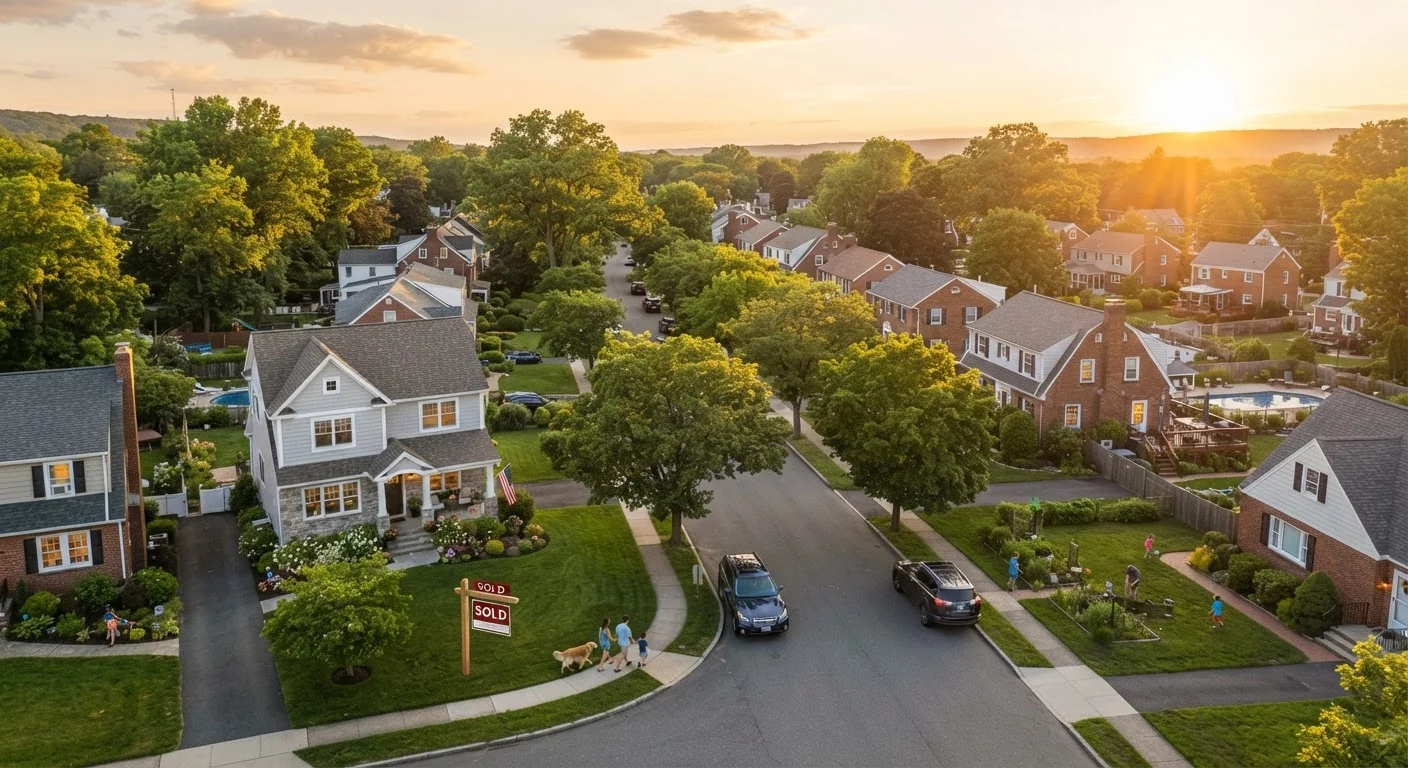
Photo: AskSpecialist.net editorial
Key Takeaways
- Getting pre-approved before house hunting gives you a realistic budget and competitive edge.
- A home inspection is not optional - it protects you from costly hidden problems.
- Closing costs typically add 2-5% of the loan amount on top of your down payment.
- Your credit score, debt-to-income ratio, and savings all affect what mortgage you qualify for.
- Working with a licensed buyer's agent gives you professional representation at no direct cost to you.
Getting Your Finances in Order
Before you tour a single home, your financial foundation needs to be solid. Lenders will scrutinize three primary factors: your credit score, your debt-to-income (DTI) ratio, and your available savings. A credit score of 620 is typically the minimum for a conventional mortgage, though scores of 740 or higher generally unlock the most favorable interest rates. Your DTI - all monthly debt payments divided by gross monthly income - should generally stay below 43% to qualify for most loan programs.
Savings matter beyond just the down payment. While some loan programs allow as little as 3% down, you also need funds for closing costs (typically 2-5% of the loan amount), an emergency reserve for post-move repairs, and moving expenses. Use our readiness checklist to confirm your finances and paperwork are genuinely in order before you start searching.
Start Building Your Credit Early
Getting Pre-Approved for a Mortgage
Pre-approval is a formal assessment by a lender of how much they are willing to lend you, based on verified income documents, tax returns, bank statements, and a hard credit pull. It differs from pre-qualification, which is a quicker, unverified estimate. Sellers and their agents treat pre-approval letters seriously - in competitive markets, an offer without one may not be considered at all.
Shop at least two or three lenders, including banks, credit unions, and mortgage companies. Loan terms, fees, and customer service vary meaningfully. Getting multiple pre-approvals within a 45-day window typically counts as a single credit inquiry under most scoring models, so comparison shopping has minimal impact on your score.
Lock your interest rate in writing once you have an accepted offer - rate locks typically last 30 to 60 days and protect you if rates rise before closing.
Request a seller's disclosure statement before making an offer. It documents known defects, past repairs, and material facts the seller is legally required to reveal.
Finding the Right Home
Once pre-approved, you have a clear price ceiling. Now the search begins in earnest. A licensed buyer's agent represents your interests throughout the transaction - they have access to the Multiple Listing Service (MLS), understand local market conditions, and are typically compensated through the seller's proceeds rather than directly by you. Interview at least two agents before committing.
Clarify your non-negotiables: number of bedrooms, school district, commute distance, and property type. Distinguish these from preferences you could compromise on. Viewing homes with a clear priority list keeps the process focused and prevents decision fatigue. For a deeper look at the full buying journey if this is your first purchase, see our guide on buying a home as a first-timer.
32%
Share of home buyers who are first-timers
According to the National Association of Realtors' 2023 Profile of Home Buyers and Sellers.
2-5%
Typical closing cost range as a share of loan amount
Closing costs vary by location, loan type, and lender; buyers should budget for this expense on top of their down payment.
6-8 weeks
Average time from accepted offer to closing
Timelines vary based on loan type, lender processing, title search complexity, and local market conditions.
Making an Offer and Negotiating
When you find the right property, your agent will help you draft a purchase offer - a legally binding document specifying price, earnest money deposit, contingencies, and a proposed closing date. Earnest money (typically 1-3% of the purchase price) demonstrates good faith and is held in escrow; it applies toward your costs at closing if the deal proceeds.
Contingencies are protective clauses that allow you to exit the contract under defined conditions - most commonly a satisfactory home inspection, an appraisal meeting or exceeding the purchase price, and your ability to secure financing. Waiving contingencies can make your offer more attractive in a competitive market but carries real financial risk. Negotiate based on comparable sales data your agent pulls, not emotion.
Due Diligence: Inspections and Appraisals
After an offer is accepted, you enter the due diligence period. A licensed home inspector evaluates the property's structure, roof, electrical systems, plumbing, HVAC, and more. The inspection typically costs between $300 and $500 and takes two to four hours. You should attend in person whenever possible. If the inspector identifies significant issues, you can negotiate repairs, request a price reduction, or in some cases, walk away.
Your lender will also order an appraisal - an independent assessment of the home's market value. If the appraisal comes in below the purchase price, you may need to renegotiate the price, cover the gap in cash, or exit the contract if you have an appraisal contingency in place. Both the inspection and appraisal are critical safeguards, not formalities.
Appraisal Gaps Can Derail a Deal
Closing on Your Home
Closing is the final step, typically occurring 30-60 days after an offer is accepted. In the days before closing, review your Closing Disclosure - a document your lender is required to provide at least three business days prior - which itemizes every fee and confirms your final loan terms. Compare it carefully to your Loan Estimate to catch any unexpected changes.
At the closing table, you will sign a significant volume of paperwork, pay your closing costs and remaining down payment, and receive the keys. Funds are wired in advance; bring a government-issued photo ID. Once all documents are signed and the deed is recorded with the local government, the home is legally yours.
After closing, your attention naturally turns to making the space your own. When you're ready to tackle improvements, our kitchen renovation roadmap is a practical starting point for one of the most common post-purchase projects.
The content on this site is provided for informational purposes only and should not be considered a substitute for professional advice. While we strive to provide accurate and up-to-date information, we make no guarantees regarding its completeness or accuracy. Always consult a qualified professional for advice specific to your circumstances before making any decisions.