
Renting Explained

Moving Out the Right Way: A Step-by-Step Checklist for Renters

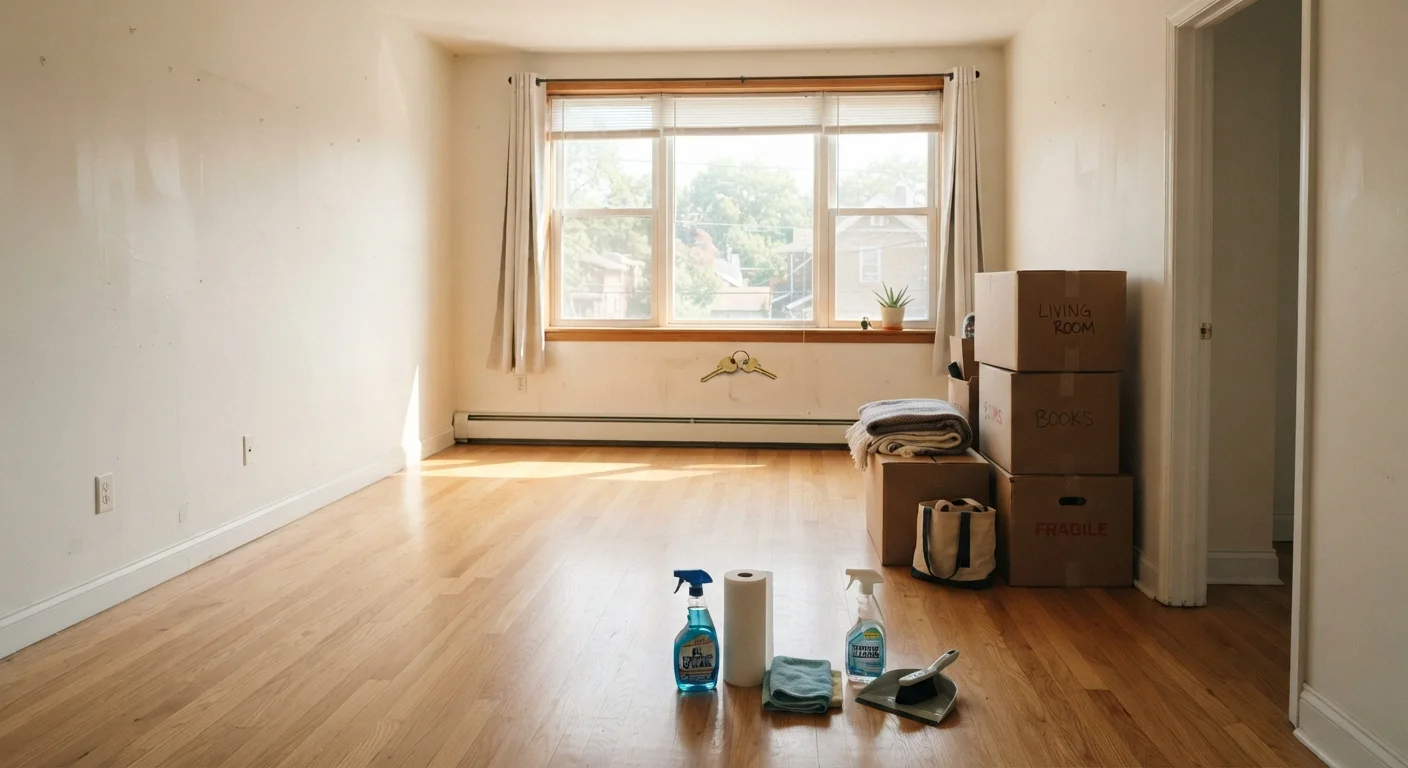
Moving Out the Right Way: A Step-by-Step Checklist for Renters

Photo: AskSpecialist.net editorial

From giving notice to the final walkthrough, this checklist walks you through every step to protect your deposit and leave on good terms.

Key Takeaways

  • Give your landlord written notice within the timeframe your lease requires — typically 30 to 60 days.
  • Document the unit's condition thoroughly before handing over keys to protect your security deposit.
  • Most states cap the time a landlord has to return your deposit, so knowing your rights matters.
  • Cleaning standards matter: leaving the unit in move-in condition is your best defense against deductions.
  • Forward your mail, update your address, and cancel utilities on the right date to avoid extra charges.

Why a Move-Out Checklist Matters

Moving out of a rental is rarely as simple as packing boxes and dropping off keys. Missteps — like missing a notice deadline or skipping a thorough cleaning — can cost you hundreds of dollars in withheld deposits or, in some cases, additional rent liability. A structured checklist turns a stressful process into a series of manageable steps you can track and verify.

Whether you're leaving your first apartment or your fifth, the fundamentals are the same: give proper notice, document everything, clean thoroughly, and follow up on your deposit in writing. If you're newer to renting and want a broader foundation, our guide on renting your first apartment covers the full arc of the rental experience from move-in to lease end.

Notice and Lease Review

Re-read your lease to confirm the required notice period — typically 30 or 60 days — and identify any move-out clauses. Must
Submit written notice to your landlord by certified mail or email to create a timestamped record. Must
Confirm your exact lease end date and clarify whether you are responsible for rent through that date regardless of when you vacate. Must
Request a pre-move-out walkthrough with your landlord if your state allows it — this gives you a chance to fix issues before your final inspection. Should

Packing and Logistics

Begin packing non-essential items at least three weeks out to avoid last-minute chaos. Should
Arrange movers or a rental truck well in advance, especially if moving during peak summer months. Must
Submit a mail forwarding request with USPS at least one week before your move-out date. Must
Update your address with your bank, employer, subscriptions, the DMV, and any government agencies. Must

Utilities and Services

Contact each utility provider — electric, gas, water, internet — to schedule service cancellation for the day after your move-out. Must
Take a final meter reading on move-out day and photograph it with a timestamp to dispute any billing errors. Should
Return any rented equipment (cable box, router, modem) to avoid non-return fees. Must

Cleaning and Repairs

Clean all appliances inside and out, including the oven, refrigerator, dishwasher, and microwave. Must
Scrub bathrooms thoroughly — including grout, fixtures, and inside cabinets — and clean kitchen surfaces and inside all cupboards. Must
Patch small nail holes with spackling compound and touch up paint only if the landlord approves the specific color. Should
Replace any burned-out light bulbs and ensure all fixtures are functional. Should
Vacuum carpets and mop hard floors; consider professional carpet cleaning if heavily soiled, as many leases require it. Must

Final Walkthrough and Documentation

Take timestamped photos and video of every room, closet, and storage area immediately before handing over keys. Must
Cross-reference your move-in inspection report with the unit's current condition and note any pre-existing damage. Must
Return all keys, garage openers, mailbox keys, and access cards — and get written confirmation of receipt. Must
Send a written note to your landlord stating your forwarding address so they can return your deposit. Must
Follow up in writing if you haven't received your deposit or an itemized deduction statement within your state's legally required window. Should

Tools and Resources You'll Need

Before you start working through the checklist, gather the right materials. Having these on hand from the beginning prevents last-minute scrambling during crunch time.

Required

Original lease agreement

Confirms your notice requirements, deposit terms, and any move-out obligations specific to your tenancy.

Required

Move-in inspection report

Provides a baseline comparison for documenting the unit's condition at move-out and disputing unfair deductions.

Required

Smartphone or camera

Used to capture timestamped photos and video of every room before handing over keys.

Required

Cleaning supplies

Essential for returning the unit to move-in condition, including appliances, bathrooms, and floors.

Optional

Spackling compound and paint

Used to patch small nail holes and minor wall damage before your final walkthrough.

Required

USPS mail forwarding form

Redirects your mail to your new address so you don't miss important correspondence after move-out.

Protecting Your Security Deposit

Your security deposit is likely the most significant financial stake in this process. Most states require landlords to return it within 14 to 30 days of move-out, along with an itemized list of any deductions. Landlords can generally only deduct for damage beyond normal wear and tear — not for minor scuffs, faded paint, or carpet that simply aged over time.

Know Your State's Deposit Return Deadline

Every state sets its own deadline — ranging from 14 to 45 days — for landlords to return a security deposit or provide an itemized list of deductions. If a landlord misses this deadline without cause, many states allow tenants to sue for double or even triple the deposit amount. Look up your specific state's tenant protection laws through your state attorney general's office or a local tenant rights organization before you move out.

The single most effective step you can take is conducting a side-by-side comparison of your move-in inspection report with photos or video you take on move-out day. If your landlord didn't provide a move-in condition checklist when you signed the lease, note that in your move-out documentation. Some states consider the absence of a move-in report as evidence that the unit was in good condition when you arrived.

Don't Skip the Written Notice Requirement

Giving verbal notice — even if your landlord verbally acknowledges it — can leave you legally exposed. Without written proof, you may be held responsible for an additional month's rent if a dispute arises. Always send notice by email with a read receipt, or by certified mail with return receipt, so you have a verifiable record of the date it was delivered.

If you're now transitioning toward homeownership, our house hunting readiness checklist can help you confirm your finances and paperwork are in order before your next big step.

Real Estate Editorial Team

AskSpecialist.net

Real Estate Editorial Team is the collective byline for our editorial team and contributor network. Articles published under this byline or an editorial pen name are researched, written, and reviewed according to our editorial standards for clarity, consistency, and independence before publication.

Buying a HomeRenting ExplainedMarket Basics
View author profile

The content on this site is provided for informational purposes only and should not be considered a substitute for professional advice. While we strive to provide accurate and up-to-date information, we make no guarantees regarding its completeness or accuracy. Always consult a qualified professional for advice specific to your circumstances before making any decisions.