
Renting Your First Apartment: What No One Tells You Before Move-In Day

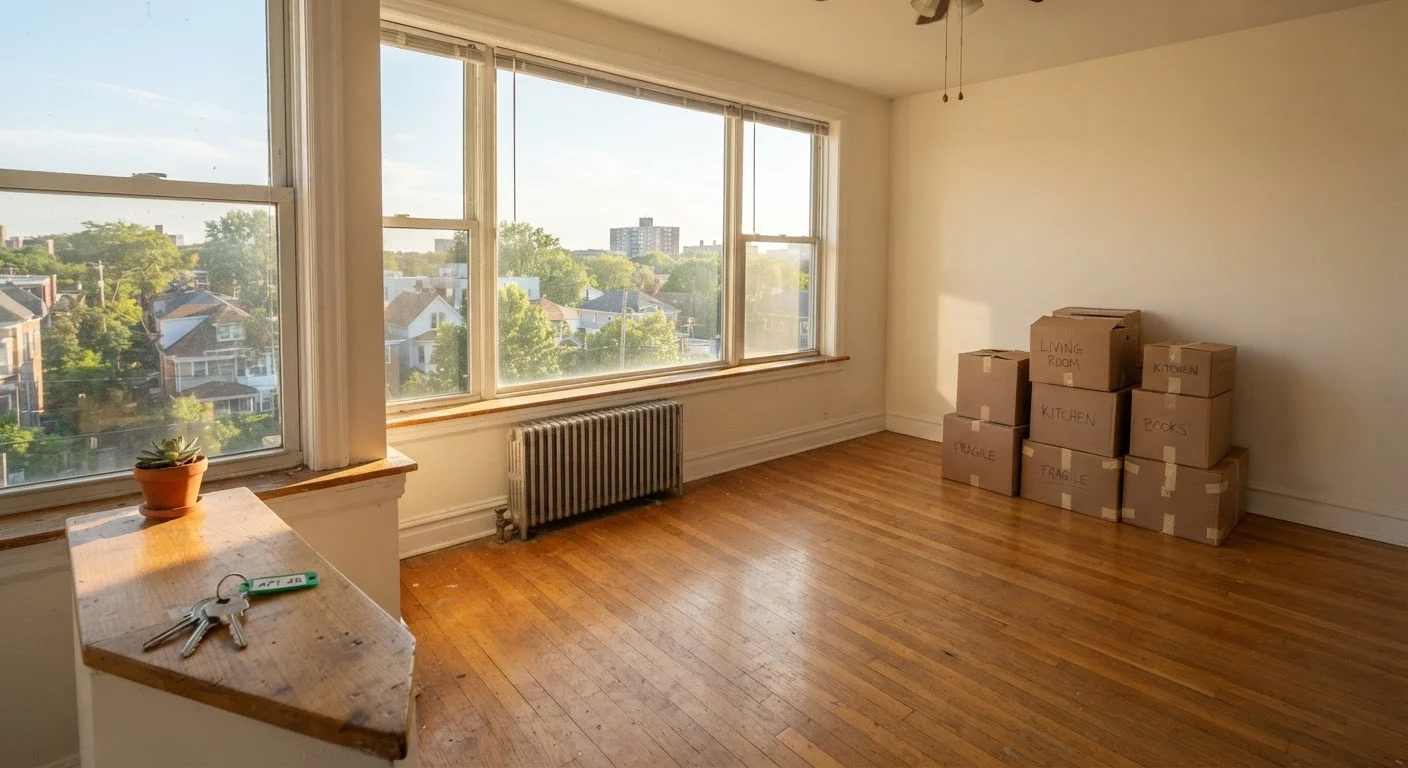
Photo: AskSpecialist.net editorial
Key Takeaways
- Upfront rental costs routinely total two to three months' rent before you move a single box.
- A lease is a legally binding contract - read every clause and negotiate in writing before signing.
- Tenants hold legal rights to a habitable home regardless of what a lease says to the contrary.
- A timestamped move-in photo record is your best protection for getting your security deposit back.
- Monthly rent is rarely your only recurring cost - utilities, renters insurance, and fees add up quickly.
The Real Upfront Costs Before You Get the Keys
Most first-time renters budget for the first month's rent and stop there. In practice, landlords typically require considerably more cash before handing over keys. A standard move-in cost structure looks like this:
- Application fee: Usually $25-$75 per applicant, often non-refundable, charged to run a credit and background check.
- Security deposit: Commonly one month's rent, though some landlords charge up to two months depending on your credit history or local law.
- First month's rent: Paid before or on move-in day.
- Last month's rent: Some landlords require this upfront as additional security.
- Pro-rated rent: If your lease starts mid-month, you may owe a partial payment on top of the above.
Add utility deposits, a moving truck, and any required renters insurance, and it's common for total upfront costs to reach two to three times your monthly rent. Budget conservatively and confirm with the landlord exactly what is due - and in what form - before signing anything. For a full breakdown of recurring and one-time expenses, see the complete cost guide for renters.
Security deposit
A sum of money paid to a landlord before move-in, held to cover unpaid rent or damage beyond normal wear and tear. It is returned - minus any legitimate deductions - after you move out.
Lease
A legally binding contract between a tenant and a landlord that spells out rent amount, due dates, rules, and the length of the rental term.
Normal wear and tear
The expected, gradual deterioration of a property from ordinary daily use - such as minor scuffs on walls. Landlords generally cannot charge tenants for this type of deterioration.
Habitability
A legal standard requiring landlords to maintain rental units in a safe and livable condition, with functioning heat, plumbing, and structural integrity.
Renters insurance
A policy that protects a tenant's personal belongings and provides liability coverage. It does not cover the building itself - that is the landlord's responsibility.
Pro-rated rent
A partial month's rent calculated based on how many days you occupy the unit that month. Common when a lease starts on a day other than the first of the month.
Reading a Lease Before You Sign
A lease is not a formality - it is a legally binding contract that governs where you live for the next year or more. Reading it carefully before signing protects you from costly surprises. Focus on these sections:
- Lease term and renewal: Know your end date and whether the lease automatically renews or converts to month-to-month.
- Rent amount, due date, and late fees: Confirm the exact dollar amount, the grace period (if any), and the penalty for paying late.
- Maintenance and repair responsibilities: Understand which repairs fall on the landlord and which you are expected to handle yourself.
- Guest, subletting, and occupancy rules: Some leases restrict who can stay overnight or prohibit subletting entirely.
- Early termination clause: Leaving before the lease ends can be expensive. Know the penalty or notice requirement in advance.
- Pet policy: Pet fees, pet deposits, and breed restrictions vary widely and are often separate from the standard security deposit.
Verbal Agreements Are Not Enforceable
If the landlord agrees to modify any term, insist that the change be written into the lease or attached as a signed addendum before you sign. Also be vigilant about rental listing fraud - learn how to spot scam listings before you hand over any money.
Your Rights as a Renter
Tenants in the United States hold legal protections that no lease can eliminate. Understanding a few foundational rights gives you leverage when problems arise.
The Right to a Habitable Home
Landlords are legally required to maintain rental units to a basic habitability standard. This generally means functioning heat, hot water, weatherproofing, and freedom from pest infestations. If a landlord ignores a legitimate repair request, most states allow tenants to pursue remedies such as rent withholding or repair-and-deduct - though the process and rules differ by state.
Protection from Retaliation
A landlord generally cannot raise your rent, reduce services, or threaten eviction in retaliation for you reporting a legitimate code violation or exercising a legal right. Document all communications with your landlord in writing.
Fair Housing Protections
Federal law prohibits housing discrimination based on race, color, national origin, religion, sex, familial status, or disability. Many states and cities extend these protections further.
For a comprehensive overview of tenant legal protections, review the full renter's rights guide.
Tenant Laws Vary Significantly by State
Move-In Day: Document Everything
What happens on move-in day - specifically what you document - directly determines how much of your security deposit you recover when you eventually leave.
Photograph Everything at Move-In
Beyond photography, complete the landlord's move-in inspection checklist thoroughly. If no checklist is provided, create your own and email a copy to the landlord on day one. Note every scuff, stain, broken fixture, or worn carpet - no matter how minor it seems. Anything undocumented can potentially be attributed to you at move-out.
Test every appliance, run hot water in every tap, flush every toilet, check that all windows and locks function, and verify that smoke and carbon monoxide detectors are installed and working. If you find a problem, report it in writing immediately - ideally within 24 hours of moving in. When the time comes to leave, follow a structured move-out checklist to protect that deposit through to the end.
Ongoing Costs Most First-Time Renters Underestimate
Monthly rent is the headline number, but it rarely reflects your true monthly housing cost. Before signing, clarify which of the following you will be responsible for:
- Utilities: Electricity, gas, water, and trash service may or may not be included in rent. In many apartments, tenants pay all utilities separately - a figure that can add $100-$300 or more per month depending on climate and unit size.
- Internet and cable: Almost never included. Budget for a separate service plan.
- Parking: In urban areas, a dedicated spot can add $50-$200 per month to your costs.
- Renters insurance: Often required by landlords and generally affordable, but it is an additional recurring cost you should plan for.
- Laundry: If the unit has no in-unit washer/dryer, factor in the cost of on-site machines or a laundromat.
If you are weighing whether renting makes sense for your situation at all, a side-by-side look at the broader financial picture is useful - compare renting versus buying to understand where you stand. And if you are sharing a unit, clarify how all these costs will be split - understand roommate lease responsibilities before committing to a joint arrangement.
Frequently Asked Questions
The content on this site is provided for informational purposes only and should not be considered a substitute for professional advice. While we strive to provide accurate and up-to-date information, we make no guarantees regarding its completeness or accuracy. Always consult a qualified professional for advice specific to your circumstances before making any decisions.