
Return Policies Decoded: What Stores Actually Allow

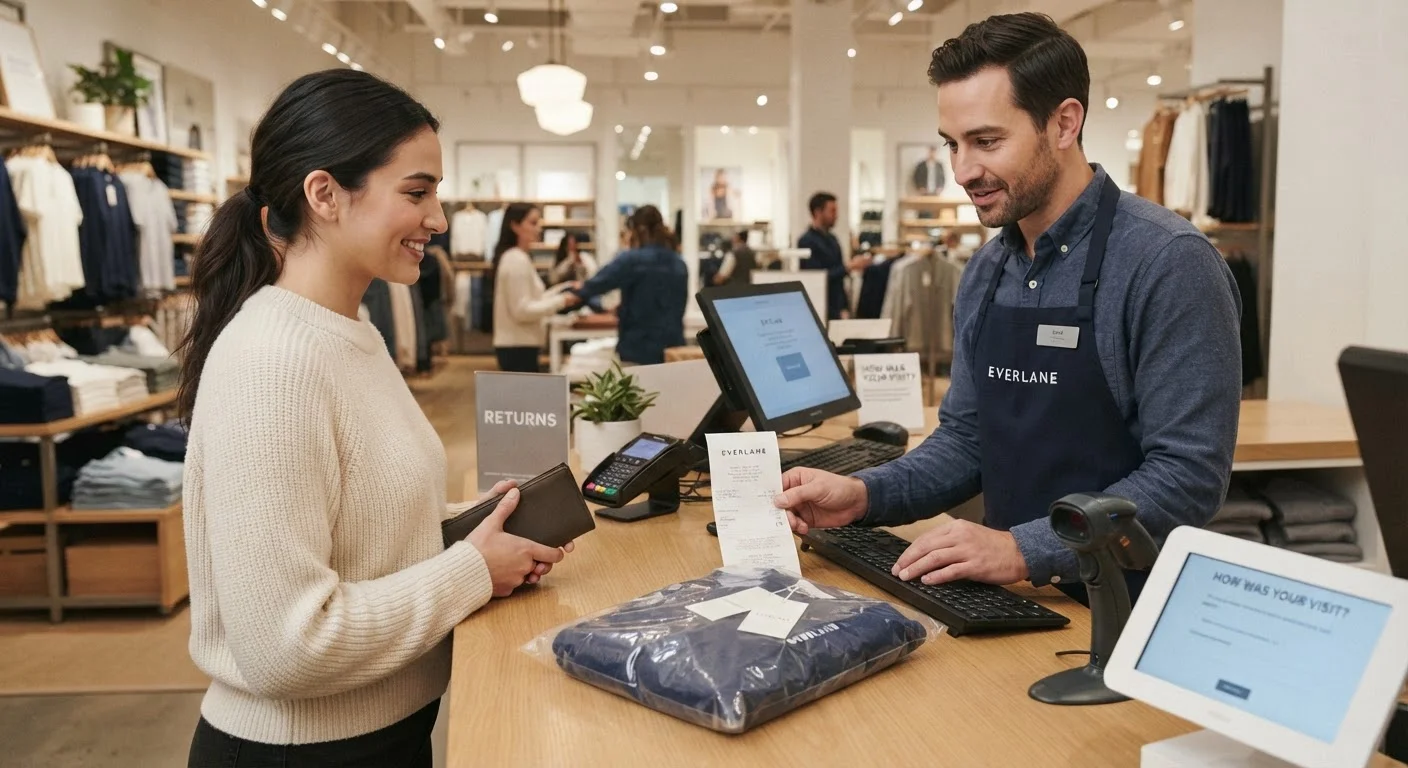
Photo: AskSpecialist.net editorial
How Return Windows Actually Work
Most retailers set a fixed return window - typically 15, 30, 60, or 90 days from the date of purchase. That window is almost always measured from the receipt date, not from when you opened or used the item. Waiting until you're sure something isn't working for you can silently eat into that deadline.
Several common consumer errors start here. Shoppers often assume the clock starts when they unbox a gift or notice a defect, but that's rarely how the policy reads. Always check the purchase date on the receipt, not the date you first used the product.
A few important nuances apply across most retailers:
- Holiday extensions: Many stores extend return windows for purchases made during November and December. The cutoff is often sometime in January, but the specific date varies by retailer. Verify this in writing rather than assuming it applies.
- Category-specific windows: Electronics, mattresses, and opened software frequently carry shorter windows - sometimes as few as 15 days - even when the store's general policy is 60 or 90 days.
- Online vs. in-store: Items purchased online and returned in-store may be subject to the online policy, not the in-store one. These can differ significantly.
Before purchasing anything with a meaningful price tag, check the category-specific return terms, not just the headline policy. See our pre-purchase checklist for a full review routine.
Receipts, Proof of Purchase, and What Happens Without Them
Most retailers require proof of purchase to process a return. What counts as acceptable proof varies, but common forms include:
- Original paper receipt
- Digital or email receipt
- Order confirmation number (for online purchases)
- Credit or debit card statement (accepted at some, not all, retailers)
- Gift receipt
Without proof of purchase, many stores will issue only an exchange or store credit - at the item's lowest sale price in recent history, not what was paid. Some retailers decline returns without receipts entirely, particularly for high-value items.
Loyalty program accounts can sometimes serve as a workaround. Purchases linked to a store account are typically retrievable in their system, making receipt-free returns easier. This is one practical reason to consider creating an account even if you skip the loyalty program itself - though it's worth understanding what that data is used for. Our look at loyalty programs and data collection covers this trade-off.
Restocking Fees, Condition Requirements, and Common Gotchas
Return policies often include conditions that only apply in specific situations - and missing them is one of the most costly consumer errors.
Restocking Fees
Some retailers charge a restocking fee, commonly 10-25% of the purchase price, on opened electronics, large appliances, or specialty items. This fee may be waived if the item is defective, but not always. The existence of a restocking fee is often disclosed in fine print. See our guide on what retailers bury in their terms for more on locating these clauses before purchase.
Condition Requirements
Most return policies require items to be in original or "like-new" condition. In practice, this can mean:
- Original packaging must be intact or at least present
- Tags must be attached (especially for apparel)
- All accessories, manuals, and inserts must be included
- No visible signs of use beyond initial inspection
Items sold as open-box or refurbished may carry entirely different return terms - often shorter windows or final-sale status. Understanding what those labels mean upfront prevents surprises at return time. Our breakdown of open-box, refurbished, and clearance labels explains what each condition designation signals about return coverage.
Final Sale and Non-Returnable Items
Clearance merchandise, digital downloads, personalized items, perishables, and hazardous materials are routinely marked non-returnable. These designations are typically disclosed at the point of sale - but shoppers who don't read them discover the restriction only at the returns counter.
If you're ever uncertain whether a consumer protection right applies beyond a store's stated policy, reviewing the broader legal framework is worthwhile. Our article on consumer protections you already have covers implied warranties and federal rules that exist independently of store policies.
The content on this site is provided for informational purposes only and should not be considered a substitute for professional advice. While we strive to provide accurate and up-to-date information, we make no guarantees regarding its completeness or accuracy. Always consult a qualified professional for advice specific to your circumstances before making any decisions.