
Build Quality vs. Brand Reputation: Which Should Drive Your Purchase?

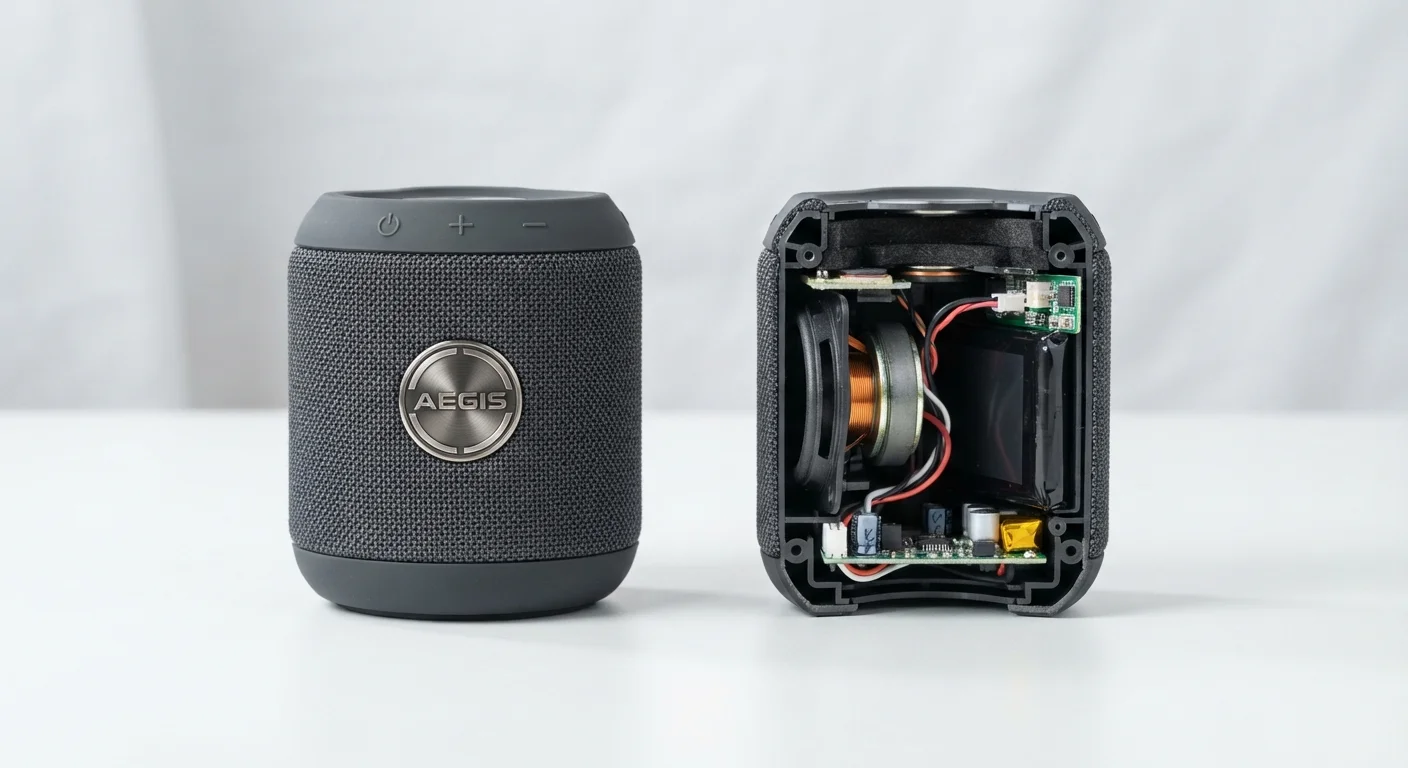
Photo: AskSpecialist.net editorial
Key Takeaways
- Build quality refers to measurable construction attributes; brand reputation is a perception shaped by marketing and history.
- A strong brand name does not guarantee individual product quality - each product line warrants its own evaluation.
- Material specifications, tolerances, and failure-point design are more reliable quality signals than logo recognition.
- Brand reputation is most useful as a starting filter, not a final decision-maker.
- Combining both criteria - using reputation to narrow options, then build quality to decide - yields the most reliable outcome.
What Each Factor Actually Means
Build quality is concrete and measurable. It refers to the materials used, how components fit together, where stress points are reinforced, what tolerances the manufacturer held during production, and how failure modes were designed (or not designed) around. You can often assess build quality directly - by handling a product, reading detailed spec sheets, or consulting independent teardown reviews.
Brand reputation is a perception. It accumulates from years of marketing, customer experience, word-of-mouth, and media coverage. Reputation can be well-earned, but it can also lag reality significantly - in both directions. A brand that built its name on quality a decade ago may have changed manufacturing practices, and a newer name may outperform on construction without the recognition to match.
Treating these as equivalent or interchangeable is where many shoppers go wrong. As our analysis of common product myths shows, shorthand signals like brand names often persist long after the underlying reality has shifted.
| Criterion | Build Quality | Brand Reputation |
|---|---|---|
| Nature | Objective, measurable | Subjective, perception-based |
| How to assess | Specs, materials, independent tests | Track record, reviews, market history |
| Reliability as a signal | High, when data is available | Moderate; can lag reality |
| Applies to | Specific product or model | Company or brand overall |
| Useful for | Final purchase decision | Initial shortlisting |
| Risk of misleading | Low if specs are transparent | Higher; influenced by marketing |
| After-sale support signal | Warranty terms and scope | Company service history |
Where Brand Reputation Earns Its Weight
Reputation isn't worthless - it just has a specific, limited role in smart purchasing. When you're buying in a product category where you lack the technical background to evaluate specs, a company's track record provides useful prior probability. If a manufacturer has consistently produced reliable products across multiple lines over many years, that pattern is worth factoring in.
Reputation is also meaningful when evaluating after-sale support. Warranty fulfillment rates, parts availability, and customer service responsiveness are genuinely influenced by a company's size, values, and operational history - things that aggregate into reputation over time.
That said, reputation applies to a company, not necessarily to every product line that company sells. A brand known for exceptional professional-grade equipment may produce mediocre consumer-grade versions under the same logo. Always check whether the reputation attaches to the specific product category you're buying, not just the name on the box.
~60%
Shoppers who cite brand as primary trust signal
Consumer research from Nielsen has consistently found that a majority of shoppers rely on brand familiarity as their primary trust indicator, even when product-level data is available.
1 in 3
Brand-loyal buyers who report post-purchase dissatisfaction
Industry surveys across consumer goods categories suggest roughly one-third of repeat brand buyers report at least one significant quality disappointment, indicating reputation doesn't guarantee consistency.
How to Evaluate Build Quality Before You Buy
Build quality assessment is a skill, and it gets easier with practice. Start with materials: vague descriptors like "premium" or "durable" are marketing language. Look for specific callouts - gauge thickness for metals, resin type for plastics, thread count or weave specification for textiles. Manufacturers who are confident in their construction tend to publish precise specs.
Next, examine the failure points. Where does stress concentrate in this type of product? Hinges, seams, connectors, and joints are where cheaper construction typically reveals itself first. User reviews that describe long-term ownership - not just initial impressions - are among the most reliable sources here.
Independent testing organizations, when available for your product category, provide the most objective build data. Their assessments aren't tied to brand relationships and typically simulate real-world use conditions. See also our guide to assessing durability before purchase for category-specific approaches.
Finally, warranty terms are a manufacturer's implicit statement about their own confidence in build quality. A two-year warranty on a product meant to last a decade tells you something meaningful - and so does a 30-day return window with no repair provision.
Making the Call: A Practical Framework
The most reliable purchasing framework uses brand reputation as a filter and build quality as the decision. Start by using reputation to generate a shortlist of candidates worth investigating - this saves research time and eliminates obvious risks. Then evaluate each shortlisted product on its actual construction merits.
If you can't distinguish build quality between options on your shortlist, reputation becomes a reasonable tiebreaker. But if the construction data clearly favors one product over another, let that data lead - regardless of which name is on the label.
It's also worth recognizing that price doesn't resolve this tension automatically. Our examination of price as a quality signal explains why a higher cost sometimes reflects genuine engineering investment and sometimes reflects brand premium alone. Separating those two is exactly the kind of critical evaluation that protects you from overpaying for a name. For a broader view of what drives real purchase value, see our analysis of value for money.
The bottom line: a well-known name is a reasonable place to start your search. It should almost never be where you end it.
The content on this site is provided for informational purposes only and should not be considered a substitute for professional advice. While we strive to provide accurate and up-to-date information, we make no guarantees regarding its completeness or accuracy. Always consult a qualified professional for advice specific to your circumstances before making any decisions.