
Japan Travel: What the Pictures Don't Prepare You For

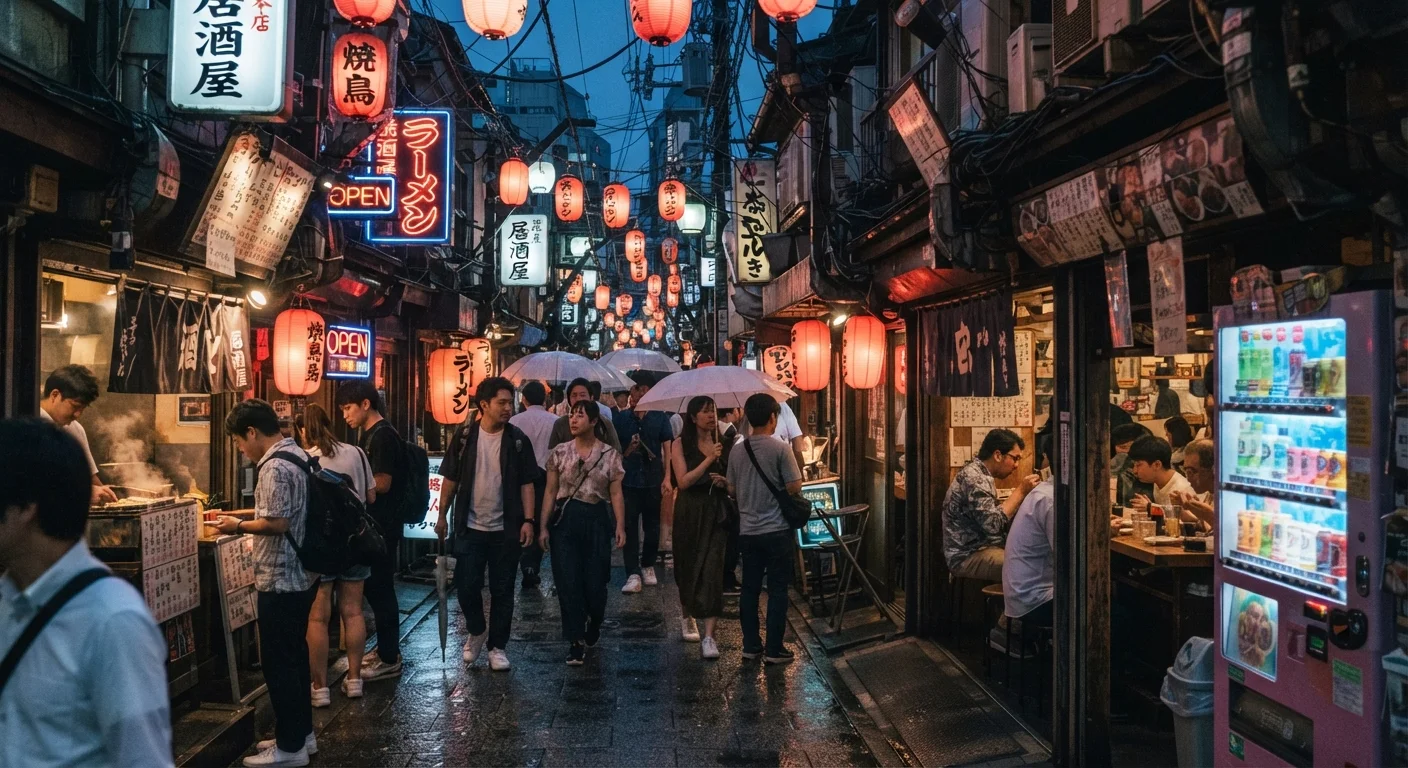
Photo: AskSpecialist.net editorial
Key Takeaways
- Japan is not uniformly affordable - accommodation and regional travel costs add up quickly.
- Cash remains essential in many parts of Japan, even in major cities.
- Cherry blossom and fall foliage seasons bring intense crowds that significantly affect the experience.
- English signage is common in cities, but meaningful communication outside tourist zones requires planning.
- Japan rewards slow, well-researched itineraries far more than rushed highlight tours.
Why Japan Surprises Even Well-Prepared Travelers
Japan ranks consistently among the most searched international destinations for American travelers, and the appeal makes sense: disciplined infrastructure, stunning scenery, and a culture that feels genuinely unlike anything at home. But the images that circulate - a lone temple in morning mist, a perfectly composed bowl of ramen, cherry blossoms over a canal - are edited highlights, not operating instructions.
The gap between what visitors imagine and what they actually encounter isn't a reason to avoid Japan. It's a reason to plan differently. The misconceptions below are among the most consequential ones, because they affect decisions about budget, timing, and pacing - the things that determine whether a trip goes smoothly or wears you down. For a broader framework on closing the gap between expectation and reality, see our guide on how to read past the tourism surface.
Myth
Japan is an affordable destination - you've heard it's cheaper than Western Europe.
Fact
Japan can be affordable, but total trip costs for Americans are often comparable to or higher than Western Europe once flights, accommodation, and regional travel are factored in.
Day-to-day spending on food and local transit can indeed be budget-friendly, especially at convenience stores and ramen shops. But flights from the US are long-haul and rarely cheap. Mid-range hotels in Tokyo or Kyoto are competitive with European cities. The Shinkansen (bullet train) network is efficient but not inexpensive - a round trip between Tokyo and Osaka on a standard reserved seat runs well over $150. If you're covering multiple regions, those costs stack up fast.
Myth
You can use cards everywhere - Japan is a modern, tech-forward country.
Fact
Many smaller restaurants, temples, shrines, local markets, and rural businesses remain cash-only, making yen essential throughout your trip.
Japan's technological reputation is well-earned in some sectors, but cash culture runs deep. Vending machines, taxis, many traditional inns (ryokan), and a significant share of independent restaurants operate exclusively with yen. International ATMs are reliably found at 7-Eleven and Japan Post locations, but that requires knowing where to look. Arriving with no local currency and assuming cards will cover everything is a common and avoidable mistake.
Myth
Visit during cherry blossom season - it's the most beautiful time of year.
Fact
Cherry blossom season is genuinely spectacular, but it also coincides with some of the most intense domestic and international tourist volumes of the year.
The bloom window is narrow - typically one to two weeks at any given location - and it's unpredictable, varying by several weeks from year to year based on weather. Accommodation books out months in advance, prices rise significantly, and famous viewing spots can be overwhelmingly crowded. Fall foliage season presents similar dynamics. Both are worth experiencing if crowds don't bother you and you plan very early, but they are not the relaxed, photogenic strolls the images suggest.
Myth
Getting around Japan is easy - the signage is all in English.
Fact
English signage is reliable in major urban transit hubs, but communication becomes more challenging outside tourist-heavy areas.
Tokyo and Osaka train stations have solid English labeling, and Google Maps works well for navigation. But ordering food at a neighborhood restaurant, asking for help in a rural town, or understanding local bus routes often requires either basic Japanese, a translation app, or a willingness to navigate uncertainty. Japan's transit system, while excellent, is also genuinely complex - multiple overlapping private and public rail lines with separate ticketing can confuse even frequent travelers on their first few days.
Myth
Two weeks is plenty of time to see Japan properly.
Fact
Two weeks allows a solid introduction to one or two regions, but Japan's geographic depth and cultural variety make it easy to underplan what a single visit can realistically cover.
The Tokyo-Kyoto-Osaka corridor is often described as the standard itinerary, and it is genuinely rewarding. But Japan also contains Hiroshima, Nara, Hakone, the Japanese Alps, Hokkaido, Okinawa, and dozens of compelling secondary cities, each requiring meaningful transit time. Trying to cover too much in two weeks typically produces a trip that feels rushed rather than restorative. Most experienced Japan travelers recommend picking fewer regions and going deeper, rather than trying to tick off a national highlight reel.
Planning Around What Japan Actually Requires
Understanding these realities doesn't diminish Japan as a destination - it makes the trip more likely to succeed. A traveler who budgets accurately, avoids peak crowds, carries yen, and paces their itinerary realistically will have a substantially better experience than one operating on assumptions drawn from travel photography.
Pace is a factor that often gets underestimated. Japan's transit system is remarkable, but moving between cities, navigating stations, and keeping up with a packed schedule is tiring. Subtle planning decisions around pace and proximity often matter more than which attractions you choose. Build in rest days, particularly if this is your first long-haul trip.
Cherry Blossom Dates Are Never Guaranteed
If you're working through your broader travel budget, building a budget that holds up in the real world covers the hidden costs that catch most first-time international travelers off guard. Japan, in particular, has several spending categories - pocket Wi-Fi or SIM cards, IC transit cards, luggage forwarding services, and attraction fees - that rarely appear in initial estimates.
Japan also warrants thinking about overtourism. Certain sites - a handful of neighborhoods in Kyoto, the Fuji Five Lakes area - are experiencing genuine visitor-volume stress. Understanding what overtourism looks like on the ground can help you decide whether to visit those spots at all, or seek alternatives with less pressure.
The content on this site is provided for informational purposes only and should not be considered a substitute for professional advice. While we strive to provide accurate and up-to-date information, we make no guarantees regarding its completeness or accuracy. Always consult a qualified professional for advice specific to your circumstances before making any decisions.