
Why "Overtourism" Matters When Picking a Destination

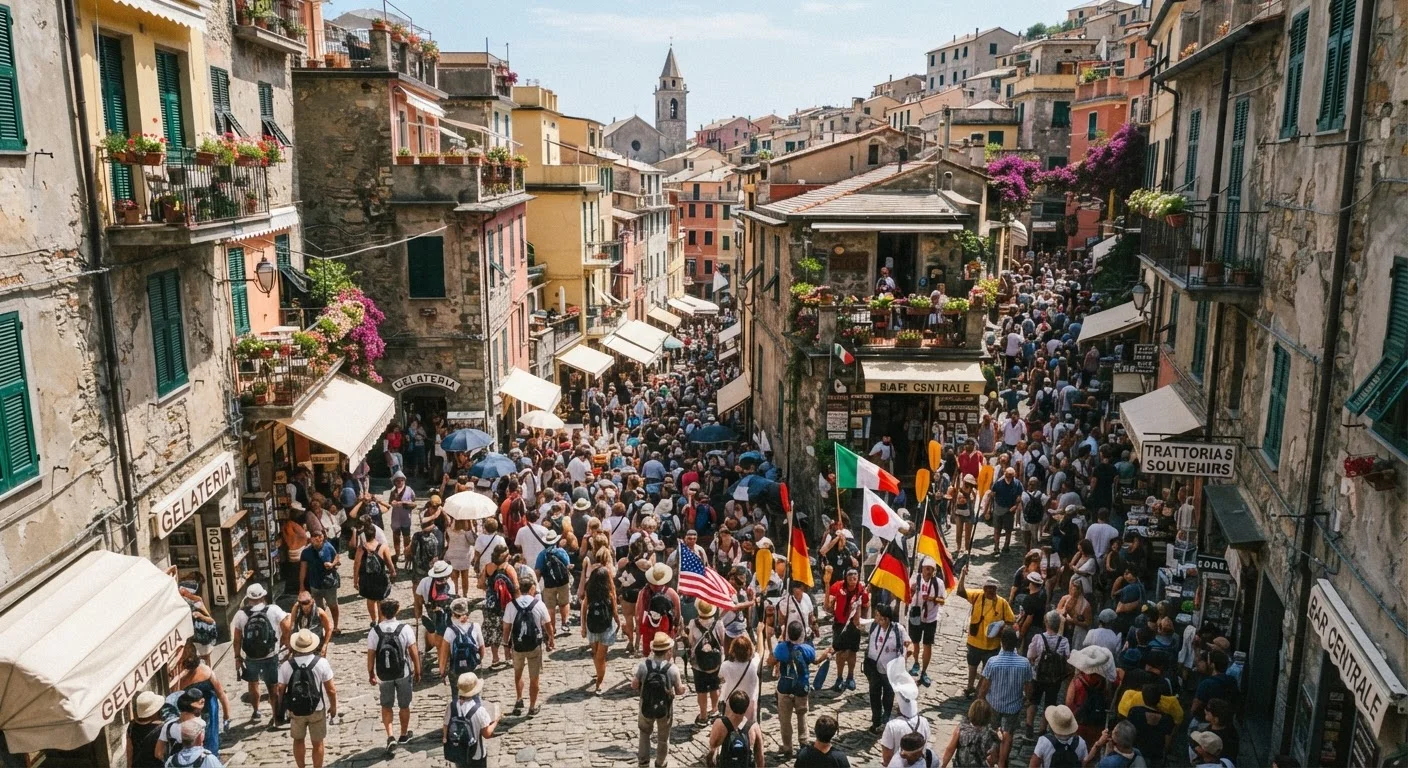
Photo: AskSpecialist.net editorial
Key Takeaways
- Overtourism is about sustained structural strain, not just a crowded weekend.
- It directly affects your trip through higher prices, degraded sites, and poor service.
- Timing, alternative destinations, and itinerary design are practical tools to avoid it.
- Responsible travel choices - like visiting in shoulder season - benefit both you and local communities.
- Knowing the signs of overtourism helps you set realistic expectations before you book.
What Overtourism Actually Looks Like
Overtourism isn't just a busy piazza on a Saturday afternoon. It's what happens when a destination's roads, water systems, housing, natural sites, and local services are repeatedly asked to do more than they were designed to handle - and never quite recover between waves of visitors.
The signs are concrete: hiking trails eroding faster than they can be restored, local housing stock converted almost entirely to short-term rentals, museum queues that consume hours of a visit, residents relocating because the cost of living in their own city has been bid up by tourism demand. These aren't hypotheticals - they've been documented in places ranging from crowded European canal cities to popular Southeast Asian islands.
For travelers, this matters practically. When you visit a destination under serious visitor pressure, you're likely to encounter inflated prices, diminished quality at iconic sites, stressed or undertrained service staff, and crowds that undercut whatever experience you came for. Subtle planning decisions - including where and when you go - often determine whether a trip feels rewarding or exhausting.
Access Restrictions Are Increasing
Why It Matters When You're Choosing a Destination
Most travelers choose destinations based on images, recommendations, and general reputation - all of which reflect a place at its best, not at its most strained. Official tourism content is designed to attract visitors, not to set realistic expectations about what arriving during peak season actually feels like.
Overtourism should enter your destination research as a concrete question: At the time I'm visiting, how many other people will be doing the same thing, and what does that do to the experience? This reframe matters especially for bucket-list trips with high emotional or financial investment.
Reading past the tourism surface means looking at independent travel accounts, recent visitor reviews, and local news - not just official destination guides. Resident sentiment is a particularly useful signal: when locals are openly frustrated with visitor volume, that friction tends to show up in your day-to-day experience whether you intend it to or not.
1.4B
International tourist arrivals globally pre-pandemic
The UN World Tourism Organization recorded approximately 1.4 billion international tourist arrivals in 2018, concentrated heavily in a relatively small number of destinations.
Top 10%
Destinations absorbing the majority of global visitors
Research consistently shows that a small fraction of the world's destinations attract a disproportionate share of international travelers, intensifying pressure at already-strained sites.
Practical Ways to Factor Overtourism Into Your Planning
Understanding overtourism doesn't mean crossing popular destinations off your list. It means adjusting how and when you engage with them.
- Timing is often the single most effective lever. Visiting outside peak season - sometimes called shoulder season - can transform a crowded destination into a genuinely enjoyable one. Shoulder season travel in the U.S. offers a practical window for many domestic trips. The same principle applies internationally.
- Consider geographic alternatives. Many less-visited towns sit within easy reach of famous icons. Staying outside the epicenter and making day trips - rather than contributing to accommodation pressure at the center - is a reasonable middle path.
- Build in less. Overtouristed sites reward patience and slower pacing more than most. Overpacking your itinerary with famous stops compounds the frustration of crowded conditions. Fewer well-chosen experiences typically deliver more than a full checklist.
- Look at domestic options with fresh eyes. National parks vs. international destinations is a real trade-off worth evaluating - some domestic options are undervisited relative to their quality, while some iconic international destinations are objectively oversubscribed.
None of these steps require sacrificing ambition. They require matching your expectations to what a place can realistically offer at the time you're planning to be there.
The Bigger Picture for Travelers
Overtourism is a systemic issue shaped by many forces beyond any single traveler's control - social media amplification of specific locations, low-cost carrier route decisions, and the geographic concentration of tourism marketing all play a role. Travelers aren't individually responsible for these dynamics, but they're not powerless within them either.
Choosing to match your travel style to the right setting - rather than defaulting to whatever destination trend is currently dominant - is both a practical and considerate approach. It tends to produce better trips: less crowded, more authentic, and less financially inflated by demand pressure.
The traveler who understands overtourism doesn't necessarily avoid famous places. They approach destination selection with clearer eyes, more realistic expectations, and a toolkit of timing and pacing strategies that improve the experience on every level. That's a better foundation for any trip.
“The question is not whether tourism is good or bad - it is whether a given place, at a given time, can absorb the number of visitors arriving without lasting damage to the site or the community.”
— UNWTO Sustainable Tourism Advisory, United Nations World Tourism Organization
Frequently Asked Questions
The content on this site is provided for informational purposes only and should not be considered a substitute for professional advice. While we strive to provide accurate and up-to-date information, we make no guarantees regarding its completeness or accuracy. Always consult a qualified professional for advice specific to your circumstances before making any decisions.