
Southeast Asia as a First International Destination: An Honest Assessment

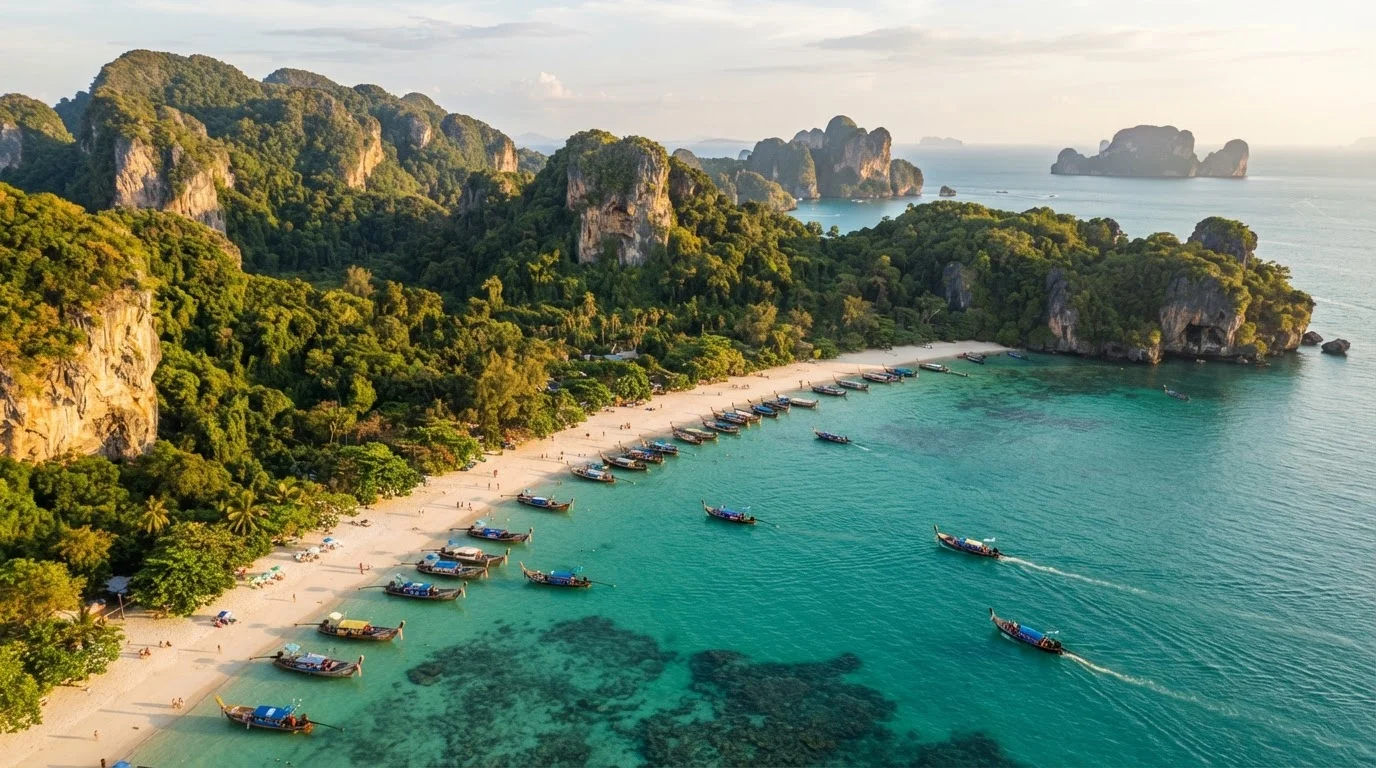
Photo: AskSpecialist.net editorial
Key Takeaways
- Southeast Asia offers genuine affordability, but costs vary significantly by country and travel style.
- First-time international travelers face real logistical challenges including health prep, visa requirements, and language barriers.
- The region's diversity means some countries are far more beginner-friendly than others.
- Overtourism is a genuine issue in the most popular corridors - it affects your experience directly.
- Honest pre-trip research matters more here than for many other international destinations.
Daily costs are genuinely lower than many regions
Accommodation, food, and local transport in countries like Vietnam, Cambodia, and Thailand can cost significantly less per day than equivalent options in Western Europe or Japan, giving travelers on moderate budgets real flexibility.
Established tourist infrastructure in major hubs
Popular routes have well-developed guesthouses, traveler-oriented restaurants, and English-speaking staff, reducing the friction of navigating unfamiliar systems for the first time.
High diversity of experiences within one trip
A single two-week itinerary can include beach environments, hill-tribe villages, UNESCO heritage sites, and major cities - giving first-timers a broad experiential return on one trip.
Strong flight connectivity from U.S. gateway cities
Major U.S. airports connect to regional hubs like Bangkok, Singapore, and Kuala Lumpur through multiple carriers, offering route options across different price points and layover preferences.
Active traveler communities and accessible information
Decades of backpacker and independent travel culture mean practical, up-to-date information from fellow travelers is relatively easy to find, which can be reassuring for first-timers building an itinerary.
Health preparation is significant and non-negotiable
Many parts of the region carry risks - from food and waterborne illness to mosquito-borne diseases - that require advance consultation with a travel medicine provider and, in some cases, vaccination courses that take weeks to complete.
Visa logistics vary and require advance planning
U.S. travelers cannot assume visa-on-arrival access to every country in the region; Vietnam, for example, requires an e-visa application completed well before arrival, and rules can change without much notice.
Overtourism degrades flagship experiences
The most-photographed islands, temples, and trekking routes in Thailand, Cambodia, and Bali receive visitor volumes that lead to overcrowding, environmental pressure, and a noticeably commercialized atmosphere.
Long-haul flights are genuinely exhausting
Flights from most U.S. cities to Southeast Asian hubs typically run 17-22 hours including connections, and first-time long-haul travelers often underestimate the recovery time needed before meaningful sightseeing begins.
"Budget destination" framing can mislead on total cost
While daily in-country costs can be low, international airfare, travel insurance, vaccinations, and gear purchases mean the total trip budget is often comparable to other international destinations.
Climate and seasonality require careful planning
Monsoon seasons vary by country and even by region within a country; arriving in the wrong season can mean persistent rain, reduced visibility, or even temporary closure of popular sites.
Why Southeast Asia Attracts First-Time International Travelers
Southeast Asia - spanning countries like Thailand, Vietnam, Indonesia, Cambodia, and the Philippines - consistently appears on shortlists for first international trips. The reasons are understandable: the region has built substantial tourist infrastructure, English is spoken widely in major travel hubs, and the cost of daily travel is often lower than in Western Europe or Australia.
But popularity and ease are not the same thing. Before committing to this region as your entry point into international travel, it's worth examining what the experience actually involves - including the parts travel content tends to gloss over. For a structured look at the full planning process, see our international trip planning framework.
The Real Advantages
Southeast Asia does deliver on several fronts that genuinely benefit first-time international travelers.
Daily costs are genuinely lower than many regions
Accommodation, food, and local transport in countries like Vietnam, Cambodia, and Thailand can cost significantly less per day than equivalent options in Western Europe or Japan, giving travelers on moderate budgets real flexibility.
Established tourist infrastructure in major hubs
Popular routes have well-developed guesthouses, traveler-oriented restaurants, and English-speaking staff, reducing the friction of navigating unfamiliar systems for the first time.
High diversity of experiences within one trip
A single two-week itinerary can include beach environments, hill-tribe villages, UNESCO heritage sites, and major cities - giving first-timers a broad experiential return on one trip.
Strong flight connectivity from U.S. gateway cities
Major U.S. airports connect to regional hubs like Bangkok, Singapore, and Kuala Lumpur through multiple carriers, offering route options across different price points and layover preferences.
Active traveler communities and accessible information
Decades of backpacker and independent travel culture mean practical, up-to-date information from fellow travelers is relatively easy to find, which can be reassuring for first-timers building an itinerary.
4-6 weeks
Recommended lead time for travel health prep
The U.S. CDC advises seeing a travel medicine provider at least four to six weeks before departing for Southeast Asia to allow time for vaccinations and prescriptions.
17-22 hrs
Typical total flight time from U.S. to Southeast Asia
Most U.S. departure cities require at least one connection, with total travel times commonly falling in this range depending on routing and layover duration.
Beyond cost, the region's well-worn traveler routes - such as Thailand's northern circuit or Vietnam's north-to-south corridor - mean that guesthouses, transport connections, and English-language signage are relatively easy to navigate in established tourist areas. This infrastructure lowers the barrier to entry compared with off-the-beaten-path international destinations.
The Honest Challenges
The disadvantages of Southeast Asia as a first destination are real and worth naming plainly.
Health preparation is significant and non-negotiable
Many parts of the region carry risks - from food and waterborne illness to mosquito-borne diseases - that require advance consultation with a travel medicine provider and, in some cases, vaccination courses that take weeks to complete.
Visa logistics vary and require advance planning
U.S. travelers cannot assume visa-on-arrival access to every country in the region; Vietnam, for example, requires an e-visa application completed well before arrival, and rules can change without much notice.
Overtourism degrades flagship experiences
The most-photographed islands, temples, and trekking routes in Thailand, Cambodia, and Bali receive visitor volumes that lead to overcrowding, environmental pressure, and a noticeably commercialized atmosphere.
Long-haul flights are genuinely exhausting
Flights from most U.S. cities to Southeast Asian hubs typically run 17-22 hours including connections, and first-time long-haul travelers often underestimate the recovery time needed before meaningful sightseeing begins.
"Budget destination" framing can mislead on total cost
While daily in-country costs can be low, international airfare, travel insurance, vaccinations, and gear purchases mean the total trip budget is often comparable to other international destinations.
Climate and seasonality require careful planning
Monsoon seasons vary by country and even by region within a country; arriving in the wrong season can mean persistent rain, reduced visibility, or even temporary closure of popular sites.
Overtourism is a particular concern in the region's most iconic spots. Certain islands, temples, and trekking routes see visitor volumes that affect both the experience and the local environment. Understanding what overtourism actually looks like before you book can help you choose less-pressured alternatives.
Country Selection Changes Everything
One of the most important decisions a first-timer can make is which Southeast Asian country to visit. Thailand's major tourist hubs have decades of traveler infrastructure and relatively streamlined visa-on-arrival processes for U.S. passport holders. Vietnam requires more logistical planning, including e-visa applications well in advance. Indonesia's visa situation, entry requirements, and inter-island logistics vary considerably from Bali to other regions.
The point is that treating "Southeast Asia" as a single destination underestimates the complexity. Each country has different entry rules, health considerations, safety profiles, and on-the-ground realities. Careful destination research - going well beyond official tourism content - is essential. Our guide to reading past the tourism surface outlines how to do that rigorously.
Visa Rules Change - Always Verify Officially
Health and Safety Prep You Can't Skip
Southeast Asia requires more health preparation than most domestic or Western European trips. Depending on your destination country and activities, the U.S. Centers for Disease Control and Prevention (CDC) recommends consulting a travel medicine provider at least four to six weeks before departure. Vaccinations, antimalarial medications (where applicable), food and water precautions, and travel health insurance are all practical considerations - not optional extras.
Entry requirements, vaccination documentation, and visa rules can also change. Always verify current conditions through official U.S. government sources (travel.state.gov and cdc.gov/travel) and your destination country's official immigration authority before finalizing any bookings. If you're still deciding whether international travel is the right next step at all, comparing domestic and international options may be a useful starting point.
The content on this site is provided for informational purposes only and should not be considered a substitute for professional advice. While we strive to provide accurate and up-to-date information, we make no guarantees regarding its completeness or accuracy. Always consult a qualified professional for advice specific to your circumstances before making any decisions.