
Traveling to Costa Rica: What the Eco-Tourism Reputation Actually Means on the Ground

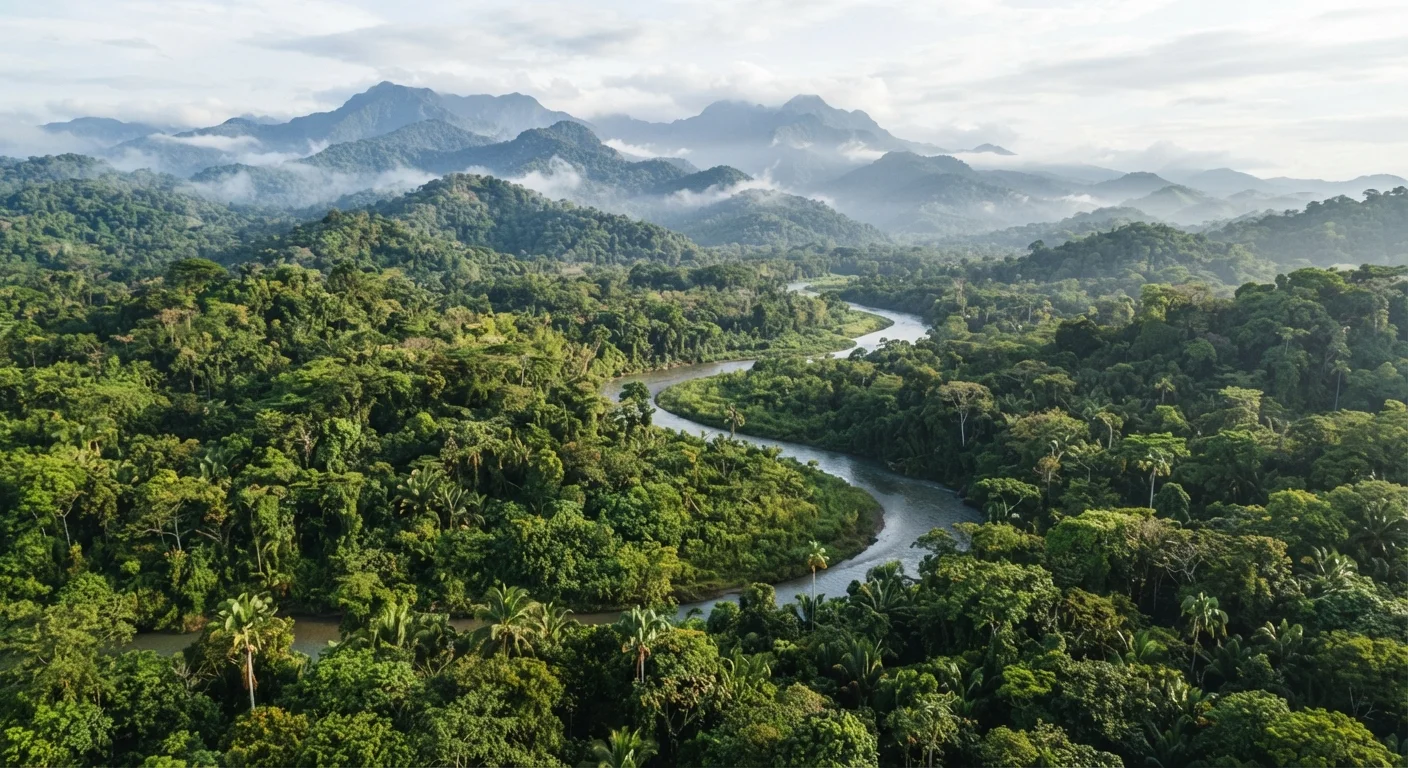
Photo: AskSpecialist.net editorial
Key Takeaways
- Costa Rica's eco-tourism reputation is grounded in real conservation policy, not just marketing.
- Visiting protected areas often involves entrance fees, limited access windows, and guided-tour requirements.
- Eco-lodges and certified operators vary widely in price and actual sustainability practices.
- Getting between destinations typically requires renting a 4WD vehicle, booking shuttles, or using domestic flights.
- Travelers on tighter budgets can still access genuine nature experiences, but costs are higher than many anticipate.
- Verifying sustainability certifications before booking gives you a clearer picture of what you're actually supporting.
What 'Green' Actually Means When You Land
Costa Rica's environmental reputation is not a tourism-board invention. The country has spent decades building a legal and institutional framework for conservation, and the results are visible from the air: dense forest, wetlands, and coastline that look markedly different from more heavily developed neighbors. Protected areas genuinely exist, wildlife genuinely thrives in many of them, and reforestation efforts have reversed deforestation trends documented in the mid-20th century.
What that means on the ground, though, is more nuanced. 'Eco-tourism' as a label has been stretched to cover everything from tented camps with composting toilets to large beachside resorts that added a recycling bin and a nature walk to their amenity list. The infrastructure built around ecotourism - the lodges, shuttles, guided tours - is also a commercial industry, and prices in Costa Rica reflect that. If your expectation is that 'eco' means affordable or low-key, that gap in expectations will be noticeable quickly.
Understanding the distinction between the country's genuine conservation achievements and the variable quality of eco-tourism marketing is the first practical skill for planning a trip here. For broader tools on reading past destination branding, see our guide to destination research.
Getting Around: Logistics Are More Complex Than They Appear
Costa Rica is roughly the size of West Virginia, which sounds manageable until you account for the roads. Mountain terrain, river crossings, and unpaved routes mean that distances that look short on a map can take three or four hours to drive. During the rainy season (roughly May through November), conditions on secondary roads can deteriorate significantly.
Your main transport options are: renting a 4WD vehicle, booking private or shared shuttle services between tourist hubs, or taking domestic flights between major regions. Public buses are inexpensive and connect most major towns, but they are slow and not designed around the itineraries most international visitors build. Each option involves real trade-offs in cost, flexibility, and access to remote areas.
Choosing Between Transport Options
A 4WD rental gives you the most flexibility, but factor in fuel costs, insurance, and the mental load of navigating unfamiliar mountain roads. Shared shuttles are a comfortable middle ground for travelers sticking to established tourist circuits.
If your budget allows, a short domestic flight can save half a day of transit between, say, San José and the Osa Peninsula - and the aerial views of the landscape are a genuine experience in themselves.
Where You Stay: Decoding Eco-Lodge Claims
Accommodation in Costa Rica ranges from budget hostels in tourist towns to remote wilderness lodges that require boat access. The term 'eco-lodge' appears on many properties, but it's not a standardized or legally protected label. The CST certification program provides a more structured benchmark, with a tiered leaf rating system that evaluates water use, energy, waste management, community engagement, and other factors - but participation is voluntary, and not all properties have current or independently verified ratings.
When evaluating where to stay, practical questions matter more than marketing language. Does the property treat its wastewater? Are staff hired locally? Do they restrict single-use plastics? Are they located inside or adjacent to a protected area in a way that could disturb wildlife? Asking these questions directly - or looking for properties that publish specific sustainability data - is more informative than relying on leaf logos alone.
Small Guesthouses and Local Stays
Budget travelers often find that smaller, family-run guesthouses (hospedajes) outside of main tourist hubs offer genuine local engagement and lower prices, even without formal sustainability certification. They may also have a lighter environmental footprint simply by virtue of scale.
This is worth weighing when comparing accommodation options, particularly if you're working within a tighter budget. Our real-world travel budgeting guide covers how to account for these kinds of hidden cost variables.
Parks, Fees, and Managing Visitor Expectations
Costa Rica's national parks are the backbone of the eco-tourism product - and they operate under a set of rules that differ meaningfully from, say, visiting a U.S. national park. Many require advance reservations, limit daily visitor numbers, mandate that you enter with a certified guide in certain zones, and charge entrance fees that have increased in recent years for international visitors.
Manuel Antonio, one of the most visited parks, requires timed-entry reservations booked online in advance. Corcovado, on the remote Osa Peninsula, limits visitors and requires guided access. Arenal Volcano National Park has its own entry and trail systems. These aren't bureaucratic annoyances - they reflect a genuine attempt to manage visitor impact in ecologically sensitive areas. But they do require logistical planning that travelers often underestimate.
Visitor crowding is a real consideration. Popular parks during peak season can feel far from a wilderness experience. Traveling in the shoulder seasons, arriving at opening time, or choosing lesser-known reserves can significantly change the quality of your visit. For more on how visitor volume shapes the experience at popular destinations, see our piece on overtourism and destination planning.
Costa Rica is also worth comparing against other nature-focused travel options. If you're weighing international eco-tourism against exploring domestic public lands, our overview of national parks versus international destinations lays out the key trade-offs honestly.
Travel conditions, entry requirements, park fees, and road conditions can change. Verify current details with official Costa Rican government sources and your home country's travel advisory service before booking.
Frequently Asked Questions
The content on this site is provided for informational purposes only and should not be considered a substitute for professional advice. While we strive to provide accurate and up-to-date information, we make no guarantees regarding its completeness or accuracy. Always consult a qualified professional for advice specific to your circumstances before making any decisions.