
Visiting Alaska: What Makes It Different From Every Other US Destination

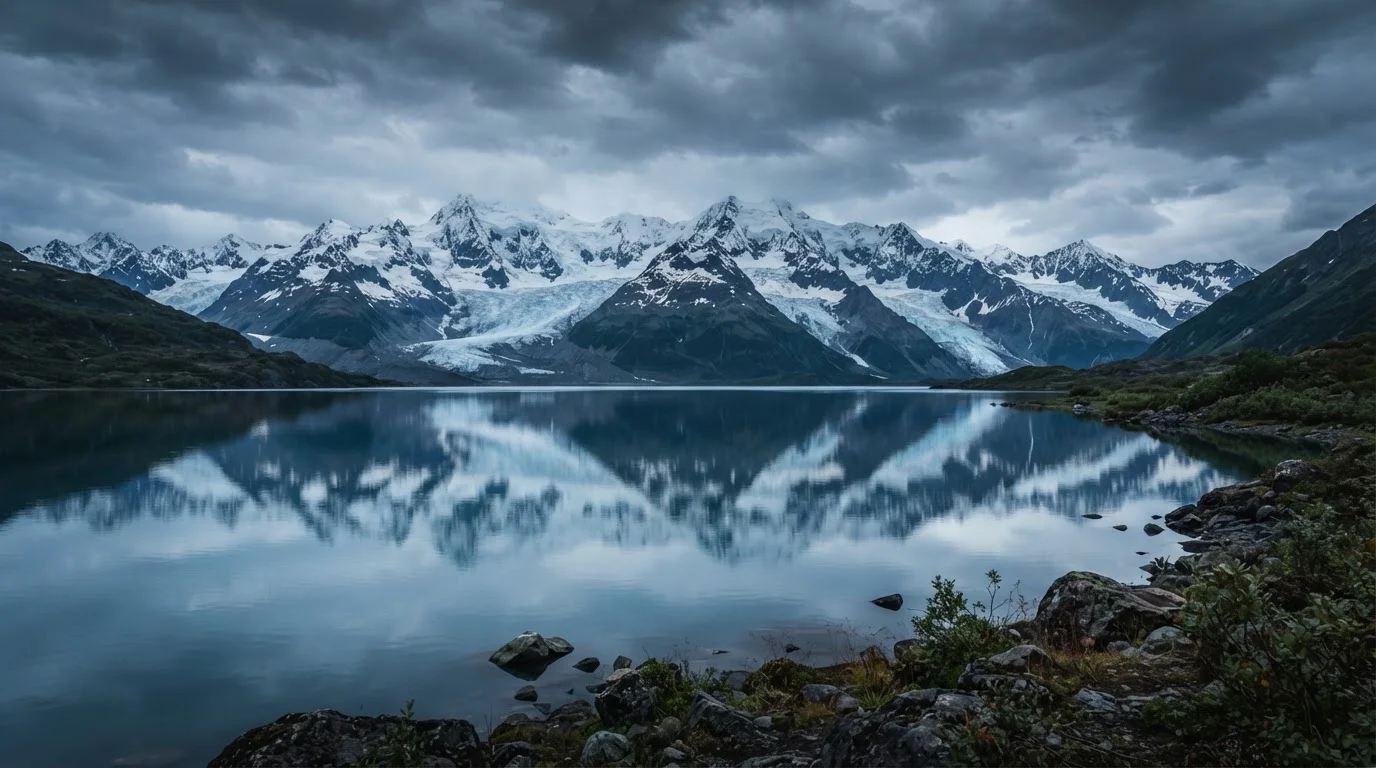
Photo: AskSpecialist.net editorial
Why Alaska Defies Normal Trip Planning Logic
Alaska is the largest U.S. state by land area - roughly 2.5 times the size of Texas - yet it has fewer paved roads than many individual American counties. That single fact shapes nearly every decision a traveler needs to make. Getting between destinations often means flying on small bush planes, taking ferries through the Inside Passage, or accepting that certain places simply cannot be reached by car. This is not a road-trip state in the conventional sense. Anyone expecting the flexibility of a lower-48 drive-and-explore trip should read up on what road-trip destinations actually require before setting expectations for Alaska.
The logistical complexity means that a well-structured itinerary matters more here than almost anywhere else in the country. Leaving days open-ended can be charming in Europe or on the East Coast; in Alaska, it can strand you. See our guide to how travel itinerary structure actually works to understand why each planning element carries extra weight in a remote destination like this.
| Total land area | 663,268 square miles (U.S. Census Bureau) |
| Miles of paved road | Approx. 14,336 miles (Alaska DOT & Public Facilities) |
| Peak tourist season | Late May through early August |
| Primary access for remote communities | Small aircraft or Alaska Marine Highway ferry |
| Northern Lights viewing window | Late August through April (interior regions) |
| Relative cost vs. U.S. average | Higher - especially food, lodging, and tours in remote areas |
Seasons, Daylight, and Weather Realities
Alaska's seasons are not just different in temperature - they're different in kind. Summer (roughly late May through early August) brings near-constant daylight in many regions, with some areas experiencing over 20 hours of sunlight per day. This enables hiking, wildlife viewing, and glacier access that is simply unavailable the rest of the year, but it also drives peak crowds and premium pricing. Shoulder season (May and September) can offer meaningful cost savings and thinner crowds, though weather becomes less predictable and some tour operators reduce or halt service.
Winter brings the opposite extreme: limited daylight, frigid temperatures in interior regions, and road closures that cut off entire communities. It is also, however, one of the most reliable times to see the Northern Lights (aurora borealis) - particularly in interior areas like Fairbanks. Travelers should verify current conditions, seasonal access, and any safety advisories with official state tourism and transportation sources before booking, as conditions vary significantly by region and year.
Verify Entry and Safety Conditions Before You Go
Unlike Hawaii's islands, where each destination has year-round tourism infrastructure, Alaska's infrastructure actively contracts in the off-season. That distinction matters when planning.
Costs, Access, and Setting Honest Expectations
Alaska is consistently one of the more expensive domestic travel destinations. Flights from the contiguous U.S. are rarely cheap. Groceries and supplies in remote towns can cost two to three times what they do in Seattle or Denver because everything must be shipped in. Guided experiences - bear viewing, flightseeing, glacier treks - reflect the high operational cost of working in remote terrain. Budget-conscious travelers are not excluded, but they need to plan deliberately. Camping, cooking your own food where facilities allow, and traveling in the shoulder season can all help manage costs without sacrificing the core experience.
Access is also genuinely multi-modal in a way that surprises first-timers. The Alaska Marine Highway System - a state-run ferry network - connects coastal communities and serves as the primary route for some towns that have no road access at all. For interior destinations, small aircraft are a normal part of daily life, not a luxury add-on. If you're accustomed to choosing between road trips and flying as equivalent options, Alaska will reset that assumption quickly.
First-time visitors benefit most from doing genuine destination research before committing. Official tourism resources, traveler forums, and regional planning guides offer grounded perspectives that go beyond highlight photography. Reading past the tourism surface is especially important for a destination where logistical gaps can have real consequences.
Inside Passage
A coastal waterway network running along Southeast Alaska (and British Columbia). It is a primary travel route for cruise ships and the state ferry system, connecting towns like Juneau, Sitka, and Ketchikan that lack road connections to the rest of Alaska.
Bush plane
A small, propeller-driven aircraft used to reach remote Alaskan communities and wilderness areas not served by roads or regular airline routes. Bush flying is a standard mode of transport throughout the state.
Alaska Marine Highway System
A state-operated ferry network serving coastal and island communities in Alaska. For some towns, it is the only surface transportation link available.
Shoulder season
The travel periods on either side of peak season - typically May and September in Alaska. Shoulder season often brings lower prices and fewer visitors, but also reduced service availability and less predictable weather.
Aurora borealis
Also called the Northern Lights, this natural light display is caused by solar particles interacting with Earth's atmosphere. Interior Alaska, particularly around Fairbanks, is one of the most consistent viewing locations in North America.
The content on this site is provided for informational purposes only and should not be considered a substitute for professional advice. While we strive to provide accurate and up-to-date information, we make no guarantees regarding its completeness or accuracy. Always consult a qualified professional for advice specific to your circumstances before making any decisions.