
Hawaii's Six Main Islands: What Each One Actually Offers Visitors

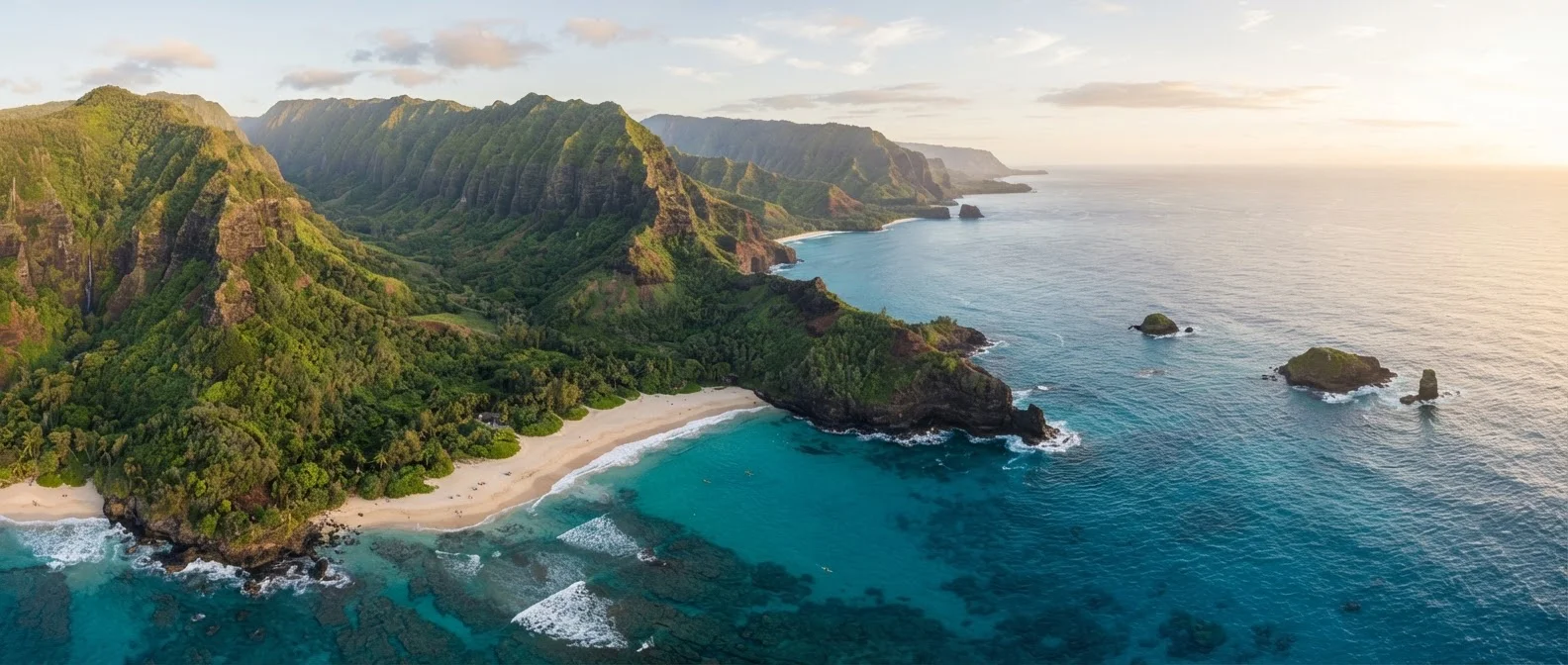
Photo: AskSpecialist.net editorial
How to Think About Choosing a Hawaiian Island
Hawaii isn't one destination - it's six meaningfully different ones. Each island has its own personality, infrastructure, price range, and landscape. Choosing the wrong island for your travel style is one of the most common mistakes first-time visitors make, and it's entirely avoidable with a little upfront research.
This guide gives you an honest, practical breakdown of what each island actually delivers - not a glossy brochure version. Whether you're looking for nightlife, solitude, snorkeling, or hiking, the right island exists for you. The key is knowing what each one genuinely offers before you commit to flights and hotels.
For context on how this kind of island-selection thinking applies to other regions, see our guide to choosing a Caribbean island for a transferable decision-making framework.
| Number of main islands | 6 (Oahu, Maui, Kauai, Big Island, Molokai, Lanai) (Hawaii Tourism Authority) |
| Most visited island | Oahu (Hawaii Tourism Authority) |
| Largest island by land area | Hawaii Island (Big Island) |
| Island with the most rainfall | Kauai (NOAA climate data) |
| Least developed main island | Molokai |
| Inter-island travel options | Flights and limited ferry service (Maui-Lanai) |
Island by Island: An Honest Breakdown
Oahu
Oahu is Hawaii's most visited island and its urban center. Honolulu, Waikiki, Pearl Harbor, and Diamond Head are all here. If you want reliable transit, abundant dining options, and a packed activity roster, Oahu delivers. It's also the most affordable entry point for flights. The trade-off: crowds, especially along Waikiki Beach, can feel more like a resort strip than a remote Hawaiian escape.
Maui
Maui is widely considered the most well-rounded island for general visitors. It offers dramatic scenery (the Road to Hana, Haleakalā summit), good snorkeling at Molokini Crater, and a range of accommodation from budget to luxury. It draws families and honeymooners equally. Prices tend to run higher than Oahu, and popular sites can get congested - advance reservations for Haleakalā sunrise are typically required.
Kauai
Kauai is the oldest and arguably most scenic island, featuring the Na Pali Coast, Waimea Canyon, and lush interior valleys. It's deliberately low-key: no building exceeds the height of a coconut palm by local ordinance. That means fewer resort chains and a quieter atmosphere. Visitors who prioritize hiking and natural beauty over nightlife or shopping tend to find it the most rewarding. It also receives the most rainfall of the main islands, so check seasonal patterns before booking.
The Big Island (Hawaii Island)
The Big Island is the largest by land mass - about twice the size of all other Hawaiian islands combined. It contains 11 of the world's 14 climate zones, meaning you can hike active lava fields, see snow-capped Mauna Kea, and snorkel with manta rays in the same trip. Infrastructure is more spread out, so a rental car is essentially required. It's a strong fit for curious, independent travelers who don't mind driving distances between attractions.
Molokai
Molokai is the least developed of the main islands and proud of it. There are no traffic lights, no resort hotels, and no major chain restaurants. It's home to the longest sea cliffs in the world and the Kalaupapa National Historical Park, accessible only by guided mule ride or a strenuous hike. Most visitors are drawn by its authenticity and slower pace. Tourism infrastructure is minimal - plan accordingly.
Lanai
Lanai is small, remote, and largely controlled by a single resort operator. It offers world-class snorkeling at Hulopo'e Bay, rugged four-wheel-drive exploration, and genuine seclusion. It's typically the most expensive island to stay on, though it can also be visited as a day trip by ferry from Maui. It suits travelers who want exclusivity and quiet over variety and amenity range.
Permit and Reservation Requirements Are Expanding
Matching Your Priorities to the Right Island
Once you know what each island offers, the selection process becomes straightforward. First-timers or families with varied interests often do well starting with Oahu or Maui. Experienced Hawaii visitors looking for something quieter frequently gravitate toward Kauai or the Big Island. Travelers seeking an almost entirely off-grid, culturally immersive experience should look seriously at Molokai.
Budget also matters. Flights to Oahu from most U.S. mainland cities tend to be more frequent and competitively priced. Inter-island flights are a real cost to factor in if you're island-hopping - prices vary significantly by route and season, and are subject to change. Always verify current fares directly with airlines.
Hawaii operates differently from most domestic destinations in terms of logistics and ecosystem sensitivity. Just as Alaska requires its own planning mindset, Hawaii demands respect for access rules, trail permits, and seasonal closures. Many popular sites now require advance reservations - check the Hawaii Tourism Authority and relevant state park sites for current requirements before your trip.
This article is for general informational purposes only. Prices, access rules, permit requirements, and site availability change frequently. Always verify details with official sources and service providers before booking.
The content on this site is provided for informational purposes only and should not be considered a substitute for professional advice. While we strive to provide accurate and up-to-date information, we make no guarantees regarding its completeness or accuracy. Always consult a qualified professional for advice specific to your circumstances before making any decisions.