
Solo Travel in Unfamiliar Cities: Staying Oriented and Aware

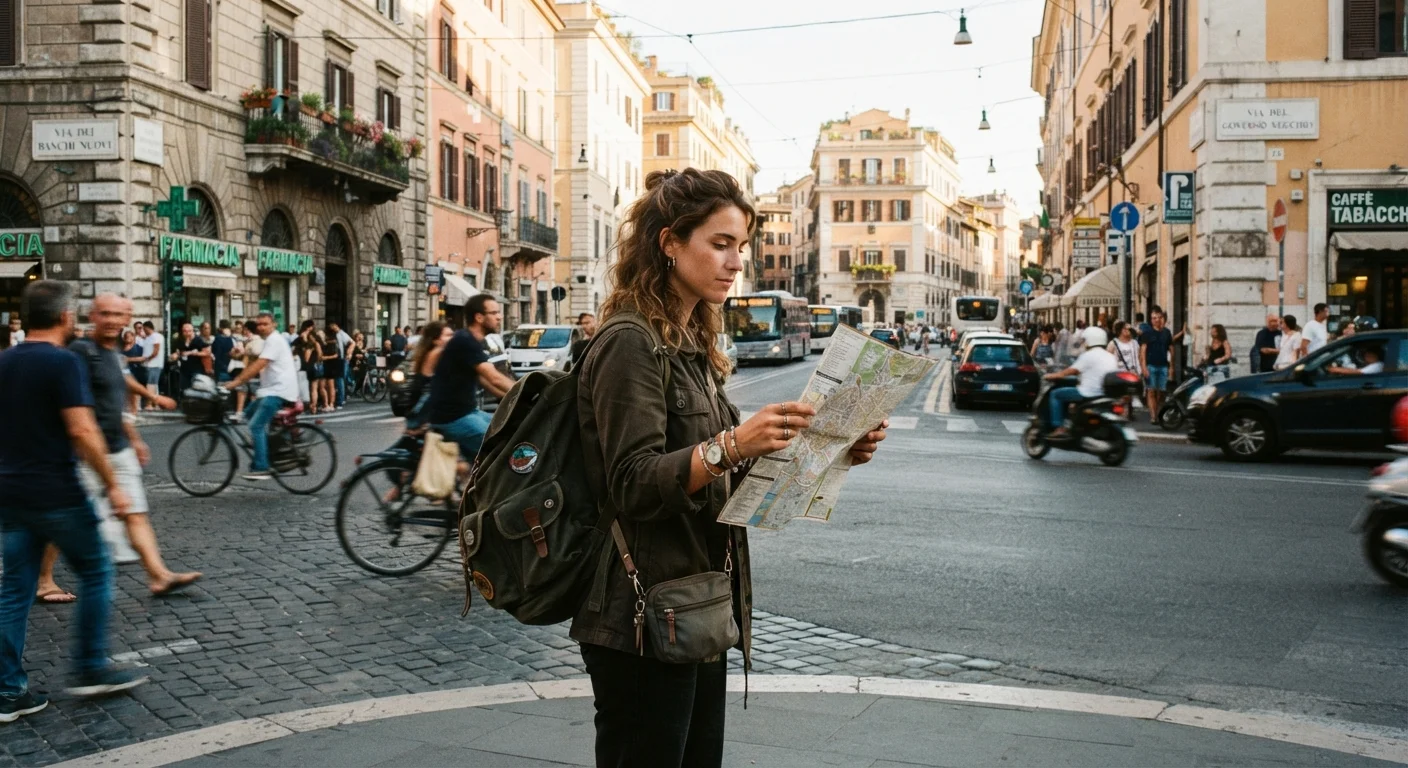
Photo: AskSpecialist.net editorial
Key Takeaways
- Pre-trip neighborhood research reduces disorientation and helps you make smarter on-the-ground decisions.
- Situational awareness is a calm, practiced habit - not paranoia - that improves with every trip.
- Offline maps, a charged phone, and a written backup of key addresses form your orientation safety net.
- Blending in with local movement patterns is more effective than relying solely on digital navigation.
- Sharing your itinerary with a trusted contact is a simple, low-effort safety habit every solo traveler should adopt.
Why Orientation Matters More Than You Think
Getting lost in a new city is rarely dangerous on its own - but disorientation erodes confidence quickly, and a flustered traveler makes poorer decisions. Solo travel in unfamiliar cities rewards those who arrive with a mental framework of where they are and where they're headed, even if that framework is loose.
The goal isn't to plan every minute. It's to know enough about a city's layout, transit logic, and neighborhood character that you can adapt fluidly when plans change - and they always do. Think of orientation as a skill, not a checklist. For a deeper look at how to build that knowledge before you leave home, see our guide on reading past tourism surface content.
Building Situational Awareness Without Anxiety
Situational awareness - knowing who and what is around you - is not about suspicion or fear. It's about staying present. Most experienced solo travelers describe it as a quiet background habit: they notice exits when entering a building, glance up periodically when using their phone, and pay attention to whether the energy of a street shifts unexpectedly.
This kind of calm attentiveness is distinct from hypervigilance. If you find yourself anxious rather than simply alert, that's a signal to slow down, find a calm public space - a café, a library, a transit hub - and reset. Solo urban travel works best when you're relaxed enough to read your surroundings clearly.
Practical Tools and Habits That Keep You Grounded
The right tools used consistently make orientation almost effortless. A few habits, applied before and during your trip, cover the vast majority of solo navigation challenges.
Download offline maps for your destination before you board the plane. Cellular data can be unreliable abroad, and even domestic travelers encounter spotty coverage in dense urban areas. Offline maps from reputable navigation apps work without a data connection and can be lifesaving when you're underground or between networks.
Write down - on paper or a notes app that works offline - the name, address, and cross street of your accommodation, plus the address of the nearest major transit hub. If your phone dies or is lost, these details let anyone help you find your way back.
Verify Entry and Safety Information Officially
Finally, share your rough daily itinerary with a trusted person at home. This requires almost no effort and creates a meaningful safety layer. It doesn't mean checking in hourly - a simple "I'm heading to the waterfront district today, back at the hotel by 8 p.m." message is enough. For broader trip planning perspective, our guide to common trip planning myths covers assumptions that can undercut even well-prepared solo travelers.
Moving Through a City Like You Belong
One of the most underrated solo travel skills is learning to move with the rhythm of a city rather than against it. This means observing how locals cross streets, use transit, and navigate pedestrian flow - then mirroring that behavior rather than stopping in the middle of a sidewalk to look around.
When you need to check your map or phone, step to the side - near a wall, a storefront, or a bench - rather than pausing in a high-traffic area. This keeps you from disrupting foot traffic and reduces the visual cue that you're uncertain about where you're going.
Urban destinations each have their own internal logic. A city built around a grid reads differently than one with organic, historic street patterns. Understanding which type you're in before you arrive - even just from a quick look at a map - helps you build a mental model faster once you're on the ground. For guidance on choosing the right type of destination for your travel style in the first place, see urban vs. rural destination comparison.
The content on this site is provided for informational purposes only and should not be considered a substitute for professional advice. While we strive to provide accurate and up-to-date information, we make no guarantees regarding its completeness or accuracy. Always consult a qualified professional for advice specific to your circumstances before making any decisions.