
Travel Insurance Explained: What It Actually Covers (and What It Doesn't)

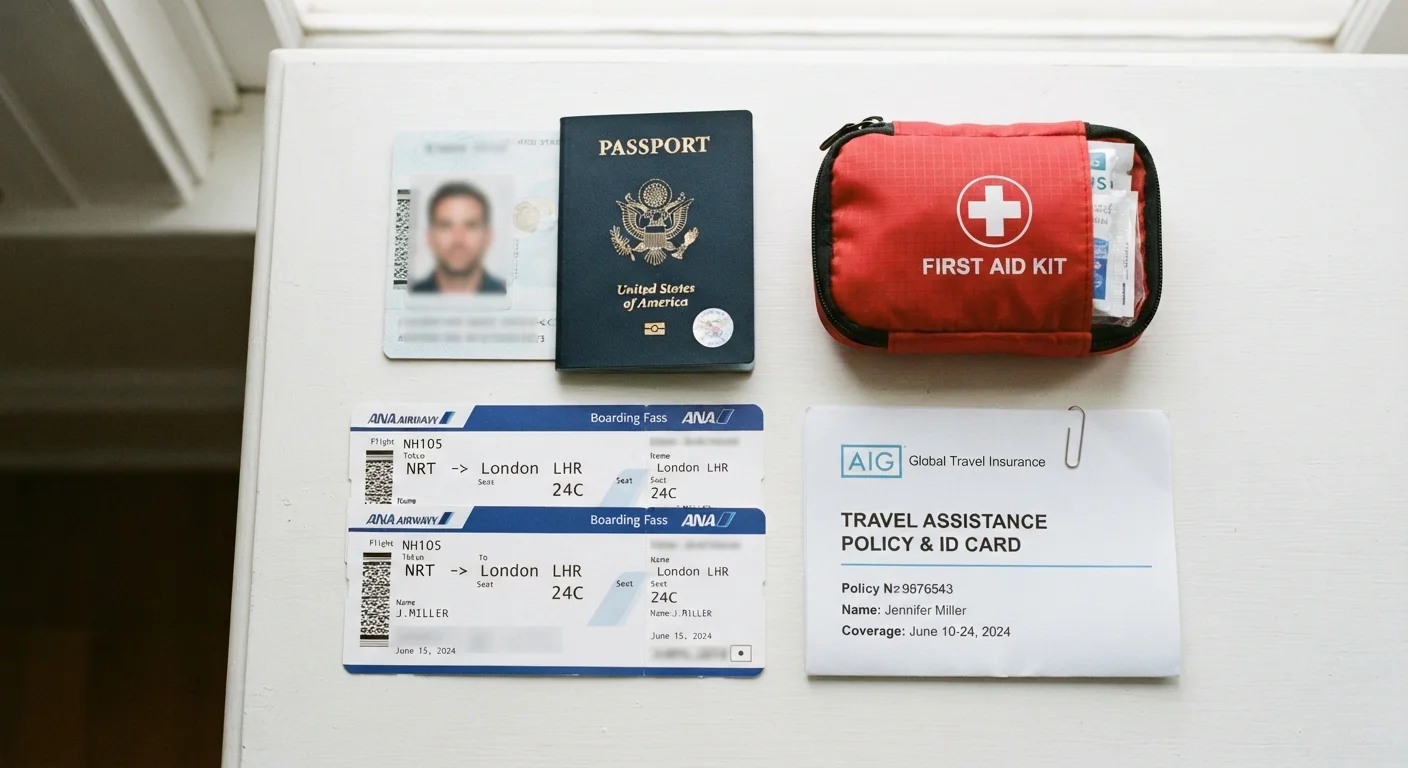
Photo: AskSpecialist.net editorial
Key Takeaways
- Travel insurance generally covers trip cancellation, emergency medical care, baggage loss, and travel delays.
- Most policies exclude pre-existing conditions unless you purchase a specific waiver or upgrade.
- "Cancel for any reason" (CFAR) coverage exists but typically costs more and only reimburses a portion of trip costs.
- Credit card travel benefits are not the same as a standalone travel insurance policy - coverage is usually more limited.
- Always verify coverage details directly with your insurer and check official government advisories before traveling.
What Travel Insurance Is - and What It Isn't
Travel insurance is a financial safety net, not a guarantee that your trip will go smoothly. It helps cover specific costs if defined, unexpected events disrupt your plans. It does not protect against every possible inconvenience, and it almost never covers situations that were foreseeable at the time you bought the policy.
Like other insurance products, travel policies are governed by specific terms and conditions. Understanding a few key concepts - similar to those explained in our insurance glossary - helps you evaluate whether a policy is right for your trip. The most important habit is reading the policy document itself rather than relying solely on a summary page or marketing description.
Travel Insurance Is Not Health Insurance
Core Coverage Areas You'll Typically Find
While exact terms differ by policy, most comprehensive travel insurance plans include several standard coverage types:
- Trip cancellation and interruption: Reimburses prepaid, non-refundable costs if you cancel or cut a trip short for a covered reason - such as a sudden illness, a death in the immediate family, or a natural disaster affecting your destination. The covered reasons are listed explicitly in the policy; anything not on the list is generally not covered.
- Emergency medical coverage: Pays for medical treatment received abroad when your domestic health insurance doesn't apply. Coverage limits and what qualifies as an emergency vary significantly between policies.
- Medical evacuation: Covers the cost of transporting you to an adequate medical facility or back home when local care is insufficient. In remote locations, this alone can justify the cost of a policy.
- Baggage loss and delay: Reimburses you for lost, stolen, or damaged luggage up to a policy limit. Baggage delay coverage may pay for essential items purchased while you wait for delayed bags to arrive.
- Travel delay: Provides reimbursement for additional accommodation, meals, and transportation costs incurred due to a covered delay, such as severe weather or a carrier-caused delay beyond a minimum number of hours.
~$0.04-$0.08
Estimated cost per dollar of trip coverage
Industry estimates suggest comprehensive travel insurance typically costs between 4% and 8% of total pre-paid trip costs, though premiums vary by traveler age, destination, and coverage type.
$50,000+
Potential air medical evacuation cost
The U.S. State Department notes that medical evacuations from overseas can cost well over $50,000, a figure that underscores the value of evacuation coverage for international travelers.
10-14 days
Typical window to add pre-existing condition waiver
Many policies require the waiver to be purchased within 10 to 21 days of the initial trip deposit; the exact window varies by insurer and should be confirmed in the policy terms.
Common Exclusions and Limitations
What travel insurance doesn't cover is just as important as what it does. Several exclusions appear consistently across policies, and misunderstanding them is one of the most common sources of denied claims.
- Pre-existing medical conditions: Most standard policies won't cover medical events related to conditions you had before purchasing the policy, unless you qualify for and purchase a waiver.
- Foreseeable events: If a hurricane has already been named or a travel advisory has already been issued before you buy coverage, a claim related to that event is typically excluded.
- Risky or extreme activities: Adventure sports like skydiving, bungee jumping, or certain forms of backcountry skiing may require a separate rider. Injuries sustained during excluded activities are generally not covered.
- Change of mind: Deciding you no longer want to go on a trip is not a covered cancellation reason under a standard policy. Only CFAR upgrades address this - and even then, only partially.
- Alcohol- or drug-related incidents: Losses arising from intoxication or drug use are a near-universal exclusion.
Understanding exclusions is as critical when evaluating travel insurance as it is when comparing auto coverage types - the fine print determines your actual protection.
How to Evaluate a Policy Before You Buy
Shopping for travel insurance involves more than comparing premium prices. Consider these practical factors:
- Coverage limits: Check that medical and evacuation limits are high enough for your destination. Regions with high medical costs warrant higher limits.
- Covered reasons: Count how many cancellation triggers are listed. More covered reasons generally means broader protection.
- Timing of purchase: Buying shortly after your first deposit typically unlocks more coverage options, including pre-existing condition waivers and CFAR upgrades.
- Coordination with existing coverage: Your existing health insurance, homeowner's or renter's policy, and credit card benefits may already cover some risks. Avoid paying for duplicate coverage where possible - but verify limits carefully.
Much like warranty coverage that consumers often misread, travel insurance policies are frequently misunderstood because readers focus on headline benefits rather than the conditions and exclusions that define what's actually owed. Take the time to read the full policy document before purchasing.
Save Your Receipts and Document Everything
This article is for general informational purposes only and does not constitute insurance, financial, or legal advice. Coverage terms, exclusions, premiums, and eligibility vary by provider and policy. Always review your actual policy documents and consult a licensed insurance professional for guidance tailored to your specific situation. Verify entry requirements, safety conditions, and any travel advisories through official government sources before traveling.
Frequently Asked Questions
The content on this site is provided for informational purposes only and should not be considered a substitute for professional advice. While we strive to provide accurate and up-to-date information, we make no guarantees regarding its completeness or accuracy. Always consult a qualified professional for advice specific to your circumstances before making any decisions.