
Traveling With Kids: How Trip Planning Logic Has to Shift

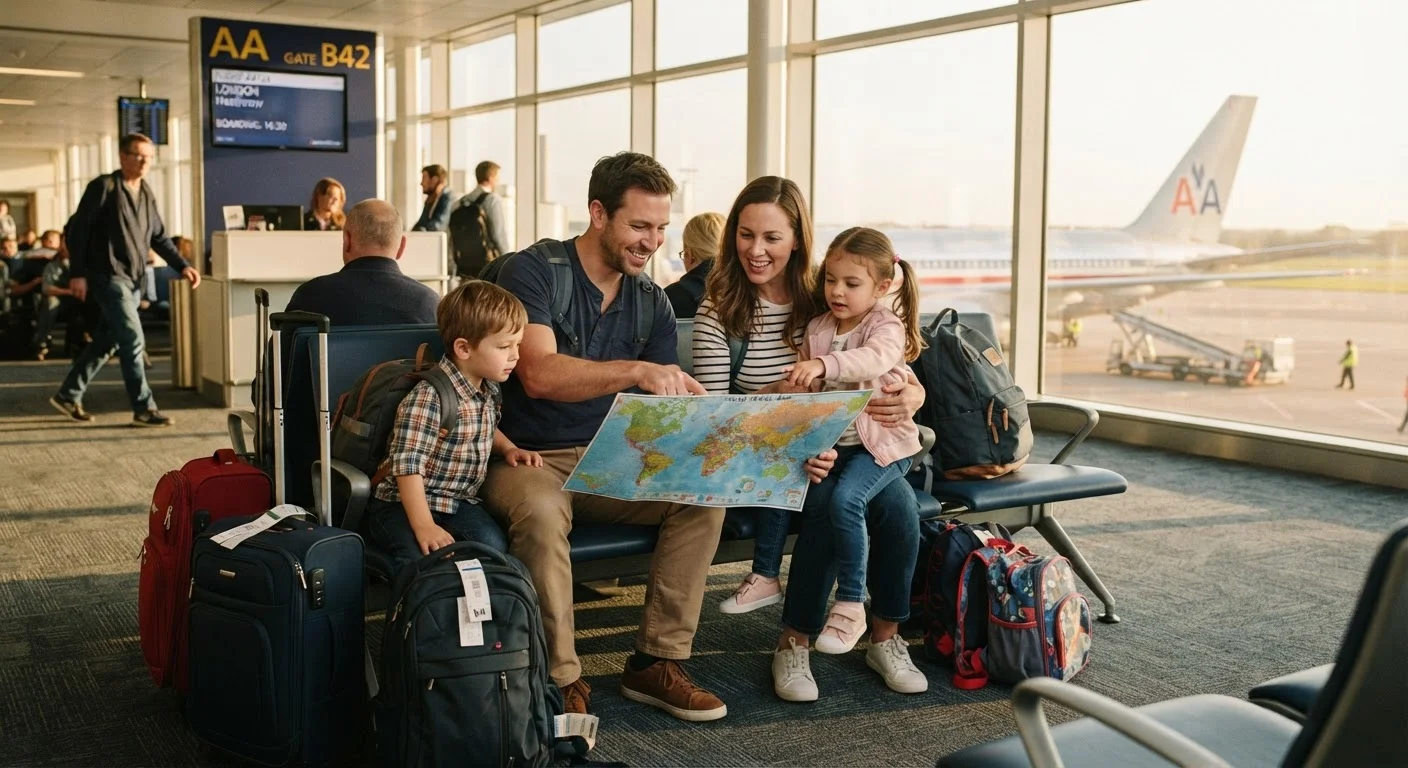
Photo: AskSpecialist.net editorial
Key Takeaways
- Children change the fundamental logic of trip planning, not just the packing list.
- Padding schedules with unstructured time prevents the burnout that derails family trips.
- Destination selection should prioritize child-accessible logistics, not just appeal to adults.
- Building backup plans for common disruptions - illness, meltdowns, weather - is essential.
- A realistic family travel budget accounts for slower pace and kid-specific costs.
Why Adult Trip Logic Breaks Down With Kids
Most adults plan trips around maximizing experiences - fitting in landmarks, meals, and activities across every available hour. That approach works reasonably well for solo travelers or couples. Add children to the equation, and the entire planning framework needs to be rebuilt from the ground up.
The core issue is pace. Children - especially younger ones - don't operate on the schedule you've drawn up. A two-hour museum visit can turn into 45 minutes when a four-year-old hits a wall. A simple transit leg between cities becomes a two-hour ordeal if someone gets carsick or needs a bathroom break on a rural highway. Planning that doesn't account for this isn't just optimistic - it's a setup for frustration.
As our guide to why overpacking an itinerary backfires explains, cramming too much into a trip is already one of the most common adult planning errors. With kids, the margin for error shrinks further. Experienced family travelers consistently report that the trips that go smoothest are the ones that looked, on paper, like they weren't trying hard enough.
Core Practices for Planning Family Travel
The following practices aren't about lowering your expectations - they're about building a plan that can actually survive contact with real children on a real trip.
Cut your planned daily activities by at least one-third compared to what you'd schedule as an adult.
Identify nap-or-rest windows in your itinerary and treat them as non-negotiable.
Choose accommodations with a kitchen or kitchenette whenever possible.
Involve children in age-appropriate trip planning decisions before departure.
Pack a dedicated bag of travel-specific activities that children only access during transit.
Research family-specific logistics for every destination before booking.
Budgeting and Destination Selection With Children in Mind
Family travel has meaningful cost implications that go beyond simply adding more airline seats. Children's admissions, activity fees, restaurant portions, and the need for larger accommodations all add up. A realistic travel budget for families should include a dedicated contingency line - not just for emergencies, but for the unplanned gelato, the cab you need when someone's too tired to walk back, or the museum shop meltdown that costs you ten dollars and your dignity.
Destination choice matters just as much. A destination that looks ideal in photos may have limited stroller access, require long transit legs between sites, or have few dining options that work for children. Before committing to a location, research the ground-level logistics: How walkable is it? Are accommodations family-friendly? Are there quiet retreats when overstimulation sets in? Our destination overviews approach these questions honestly rather than presenting an idealized picture.
For a broader look at how the planning process shifts based on who's traveling, this comparison of solo vs. group planning offers a useful frame - family travel shares many of the coordination challenges of group travel, with an added layer of unpredictability.
Building in Failure Points - Before the Trip, Not During
Veteran family travelers don't hope disruptions won't happen - they plan for the ones most likely to occur. What happens if a child gets sick on day two? What's the fallback if the one activity you built the itinerary around is closed or too crowded? Having loose backup answers to these questions before you leave takes the panic out of the moment when they arise.
A well-structured itinerary, as detailed in our guide to how travel itineraries actually work, includes buffer days and decision points rather than a rigid minute-by-minute progression. That structure becomes even more valuable when traveling with children, where the unexpected is genuinely expected.
Entry Requirements and Health Considerations
The planning mindset shift that matters most is this: stop measuring a successful family trip by how much you accomplished, and start measuring it by how the experience actually felt. That reorientation changes what you prioritize when you plan - and it tends to produce trips that children (and adults) actually want to remember.
The content on this site is provided for informational purposes only and should not be considered a substitute for professional advice. While we strive to provide accurate and up-to-date information, we make no guarantees regarding its completeness or accuracy. Always consult a qualified professional for advice specific to your circumstances before making any decisions.