
Leasing vs. Buying: A Side-by-Side Look at the Real Trade-Offs

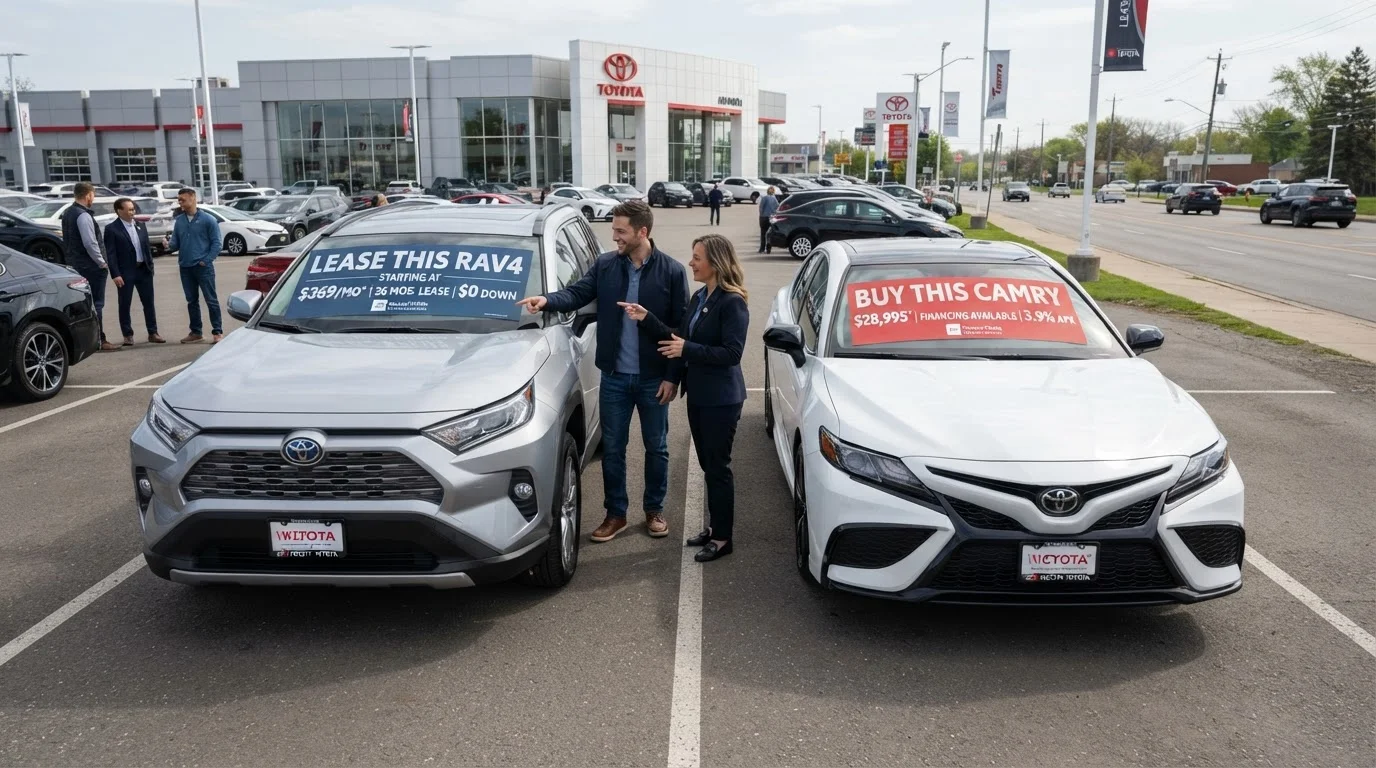
Photo: AskSpecialist.net editorial
Key Takeaways
- Leasing typically means lower monthly payments but no ownership equity at the end of the term.
- Buying costs more upfront but builds long-term value once the loan is paid off.
- Mileage limits and wear-and-tear fees are real financial risks in a lease agreement.
- Your driving habits, financial situation, and how long you keep cars should drive this decision.
- Neither option is universally better - the right choice depends on your specific circumstances.
What You're Actually Agreeing To
When you lease a car, you're paying to use it - typically for two to four years - then returning it to the dealer. You never own the vehicle. When you buy, you either pay cash outright or finance the purchase with a loan. Once the loan is paid off, the car is yours to keep, sell, or trade in.
That distinction shapes everything else: who controls the vehicle, how much you pay each month, and what your options look like when the term ends. Before comparing numbers, get clear on what each agreement actually puts on the table.
For a broader framework on evaluating this kind of decision, see our product evaluation guide. And if you're weighing a similar rent-or-own question in another area of your life, the logic in Renting vs. Buying a Home covers parallel trade-offs worth understanding.
Monthly Costs and Long-Term Spending
Lease payments are almost always lower than loan payments on the same vehicle. That's because you're only financing the depreciation (the drop in value) that occurs during your lease term, not the car's full price. A car that sells for $35,000 might depreciate $15,000 over three years - so you're essentially paying for that $15,000 difference, plus interest and fees.
Buying means paying for the whole vehicle. Monthly payments are higher, but once the loan is done - typically after four to seven years - you have no more payments. Keep the car another five years and those years are essentially free from a payment standpoint.
The long-term math usually favors buying if you hold the car past the loan payoff date. Leasing, if you roll from one lease into the next indefinitely, means you always have a payment and never build equity.
| Leasing | Buying | |
|---|---|---|
| Monthly payment | Lower | Higher |
| Ownership at end of term | No - return the car | Yes - you own it outright |
| Mileage restrictions | Yes - typically 10,000-15,000/yr | None |
| Customization allowed | No | Yes |
| Early exit flexibility | Limited - costly penalties | More flexible - sell or trade |
| Long-term cost (7+ years) | Higher - always a payment | Lower - no payment after payoff |
| Warranty coverage | Usually covered throughout | Expires; repairs become your cost |
Mileage, Wear, and the Fine Print
Most leases cap annual mileage at 10,000 to 15,000 miles. Go over that limit and you'll pay a per-mile penalty at lease end - often 15 to 25 cents per mile. That can add up fast. A driver who puts on 20,000 miles a year and has a 12,000-mile cap could face $1,200 to $2,000 in overage charges on a single lease.
Leases also hold you responsible for anything deemed beyond normal wear and tear - dents, stains, excessive tire wear, cracked windshields. These charges are assessed when you return the vehicle and can catch lessees off guard.
Lease-End Charges Can Surprise You
Buying has no such restrictions. Drive as many miles as you want, use the car however you need to, and modify it if you choose. The tradeoff is that maintenance costs and unexpected repairs fall entirely on you once any warranty expires.
For a closer look at how financing structures affect what you pay, see Dealership Finance vs. Outside Financing.
Flexibility and What Happens at the End
At the end of a lease, you typically have three options: return the car and walk away, lease or buy a new vehicle, or purchase the leased car at a predetermined price (called the residual value). This built-in flexibility is appealing for drivers who like driving newer vehicles with updated safety technology and features.
Ending a lease early, however, is expensive. Early termination fees can run into thousands of dollars. If your life circumstances change - job loss, relocation, a growing family - a lease offers little room to maneuver without paying a significant penalty.
Buying gives you full control. Sell it privately, trade it in, or keep it. You're not locked into a timeline. That said, if you financed it and still owe more than the car is worth - a situation known as being "underwater" on the loan - selling can be complicated.
Also worth comparing: New Car vs. Used Car, since leasing is almost exclusively available on new vehicles, which affects your starting price and depreciation exposure.
How to Think Through Your Own Decision
Run through these questions honestly before choosing:
- How many miles do you drive per year? If you regularly exceed 15,000 miles, buying is likely the safer financial choice.
- How long do you typically keep a car? If you keep cars for eight or more years, buying almost always wins on total cost. If you switch every three years, leasing may be comparable.
- Is a lower monthly payment your priority? Leasing wins here, but make sure you account for what you're not building in equity.
- Do you want to customize or heavily use the vehicle? Buying gives you that freedom without penalty.
- Can you handle repair costs outside a warranty? Leases often keep you within the manufacturer warranty window, reducing exposure to unexpected repair bills.
Neither path is inherently smarter. A lease can be a sensible, well-understood financial tool. Buying can be the right long-term investment. The key is making the choice based on your actual situation - not dealership pressure or default assumptions.
This article is for general informational purposes only and does not constitute financial or legal advice. Costs, terms, and conditions vary significantly by lender, manufacturer, and individual circumstances. Consult a qualified financial adviser before making major vehicle financing decisions.
The content on this site is provided for informational purposes only and should not be considered a substitute for professional advice. While we strive to provide accurate and up-to-date information, we make no guarantees regarding its completeness or accuracy. Always consult a qualified professional for advice specific to your circumstances before making any decisions.