
Coverage Gaps Drivers Often Discover Too Late

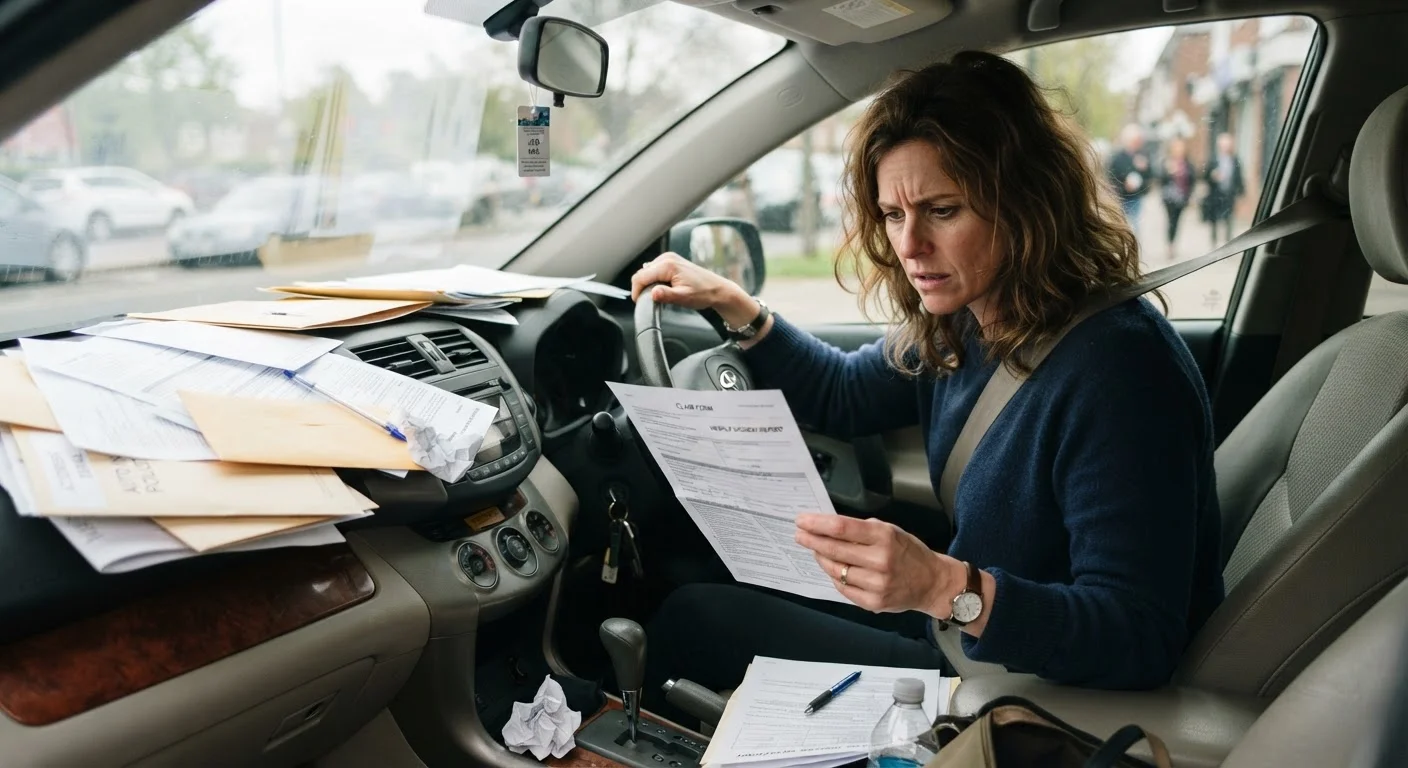
Photo: AskSpecialist.net editorial
Key Takeaways
- Standard auto policies often exclude rental car reimbursement, rideshare use, and gap coverage by default.
- Gap insurance is critical when you owe more on a car loan than the vehicle is currently worth.
- Driving for a rideshare app without proper endorsement can leave you personally uninsured mid-trip.
- Reviewing your declarations page regularly helps you catch gaps before a claim exposes them.
Why Coverage Gaps Catch Drivers Off Guard
Most drivers assume their auto insurance handles whatever comes up - a fender-bender, a stolen car, a rental while repairs happen. That assumption is where the trouble starts. Auto policies are built from individual coverage types, and anything not explicitly included is simply not covered. Understanding the basics - what liability, collision, and comprehensive each actually cover - is the foundation for spotting what's missing.
The gaps that hurt most are the ones that seem obvious in hindsight. You don't know you lack rental reimbursement until your car is in the shop for two weeks. You don't realize you have no gap coverage until your totaled car leaves you owing $6,000 more than the insurer paid out. These aren't edge cases - they're common situations with real financial consequences.
Don't Rely on Memory for Your Coverage Details
The Most Common Coverage Mistakes
The following mistakes are the ones claims adjusters and policy reviewers see repeatedly. Each one is avoidable - but only if you know to look for it.
Assuming rental car costs are covered after an accident.
Skipping gap insurance on a financed or leased vehicle.
Driving for a rideshare platform without rideshare coverage.
Carrying liability-only coverage on a car you couldn't afford to replace.
Underestimating uninsured/underinsured motorist exposure.
If you're unsure what any of these terms mean, the auto insurance glossary is a solid starting point before you call your insurer.
When Your Life Changes, Your Coverage Should Too
Coverage needs aren't static. If you've recently bought a new car, taken on a longer commute, started driving for a rideshare platform, or added a young driver to your household, your existing policy may not reflect your current situation. Certain life milestones should prompt a policy review - waiting until renewal isn't always soon enough.
Also worth revisiting: the gap between state-minimum coverage and what actually protects you financially. Minimum state requirements keep you legal, but they can leave serious gaps when a real loss occurs. Knowing what you carry - and what you don't - is the only way to make a confident decision about your coverage.
A Gap in Coverage Shows Up at the Worst Time
This article is for general informational purposes only and does not constitute insurance, financial, or legal advice. Coverage terms, exclusions, and availability vary by insurer and state. Always read your policy documents carefully and consult a licensed insurance agent for guidance specific to your situation.
The content on this site is provided for informational purposes only and should not be considered a substitute for professional advice. While we strive to provide accurate and up-to-date information, we make no guarantees regarding its completeness or accuracy. Always consult a qualified professional for advice specific to your circumstances before making any decisions.