
Car Maintenance

Cold-Weather Car Care: Getting Ready Before the First Freeze

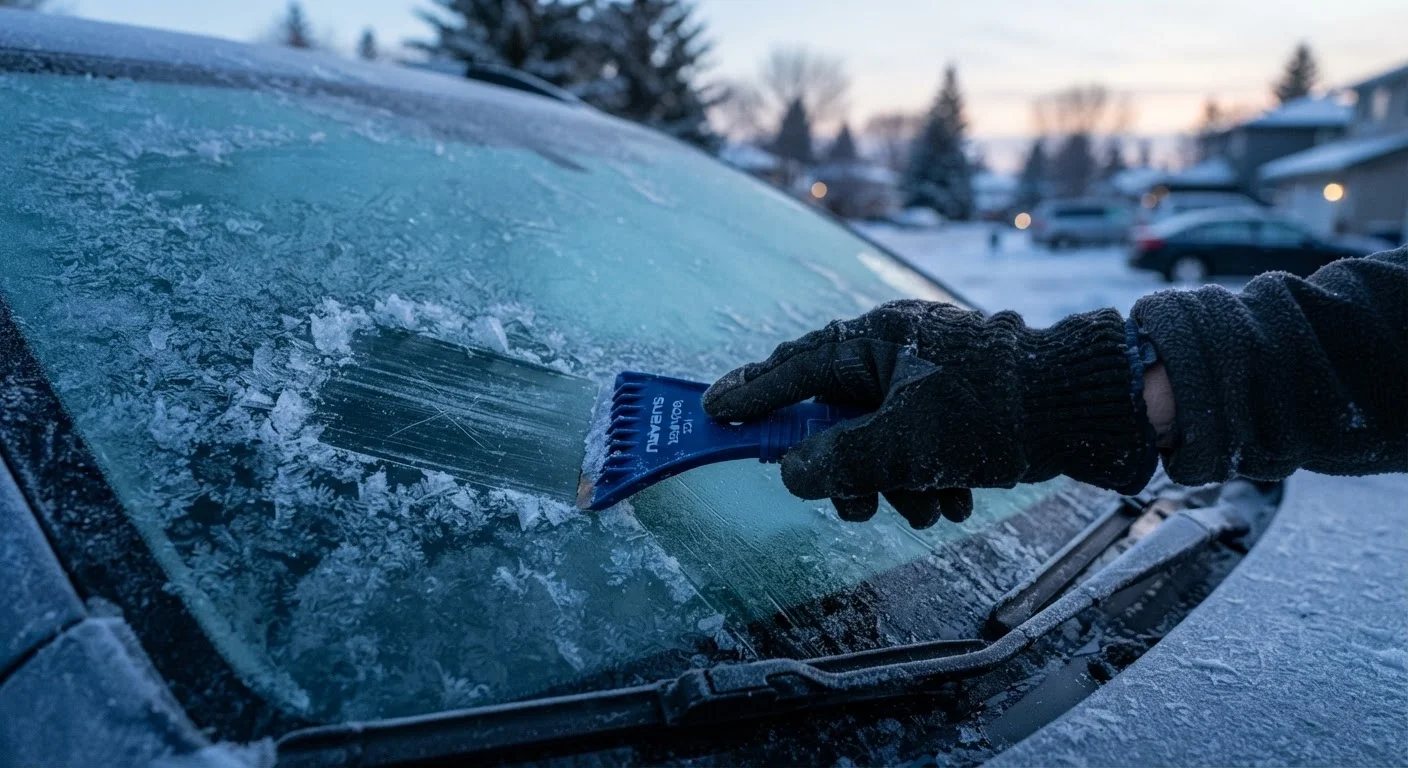
Cold-Weather Car Care: Getting Ready Before the First Freeze

Photo: AskSpecialist.net editorial

Winter stresses batteries, tires, and fluids in ways warmer months don't. Walk through the key checks before temperatures drop.

Key Takeaways

  • Cold temperatures drain battery capacity faster — have yours tested before winter hits.
  • Tire pressure drops roughly 1 PSI for every 10°F decrease in temperature.
  • Antifreeze concentration matters as much as fluid level — diluted mix can freeze in your engine.
  • Wiper blades, washer fluid, and emergency supplies are easy to overlook but critical in a storm.
  • Most winter prep checks take under an hour and can prevent expensive cold-weather breakdowns.

Why Winter Is Harder on Your Car Than Any Other Season

Cold weather doesn't just make driving harder — it actively works against the systems your car depends on. Batteries lose charge capacity. Tire pressure drops. Fluids thicken or, if poorly mixed, can freeze entirely. The difference between a car that handles winter confidently and one that strands you in a parking lot often comes down to checks that take less than an hour.

This checklist walks through every area of your vehicle that cold weather affects most. Whether you're in a region that sees occasional frost or one that gets months of hard freezes, these checks apply. For a broader view of year-round maintenance, the complete car maintenance guide covers every system in more depth.

Required

Tire pressure gauge

Accurately measure PSI in all four tires and the spare before inflating.

Required

Antifreeze tester / coolant tester

Check the freeze protection rating of your coolant mix without guessing.

Required

Wire brush or battery terminal cleaner

Remove corrosion from battery terminals to ensure a solid electrical connection.

Required

Jumper cables or portable jump starter

Restart a dead battery — essential winter emergency gear for your trunk.

Required

Ice scraper and snow brush

Clear windshield and windows quickly without scratching glass.

Required

Tread depth gauge or quarter/quarter coin

Measure remaining tire tread to determine if replacement is needed before winter.

The Winter Prep Checklist

Work through each group below before your first hard freeze. Most checks can be done at home with basic tools; a few warrant a quick stop at a shop. Note which items are marked must — those are the ones that directly affect safety or can cause serious damage if ignored.

Battery & Electrical

Have your battery tested at an auto parts store or shop — most will test it free — and replace it if it's more than 3–4 years old or showing weak output. Must
Inspect battery terminals for white or bluish corrosion buildup and clean them with a wire brush if present. Must
Check that the alternator (the component that recharges your battery while driving) is functioning properly — a shop can test this during a battery check. Should

Tires

Check tire pressure with a gauge and inflate to the PSI listed on the sticker inside your driver's door — not the number stamped on the tire sidewall. Must
Inspect tread depth using the quarter test: insert a quarter upside-down into the tread groove — if you can see the top of Washington's head, replace the tires. Must
If you live in a region with regular snow or ice, consider switching to dedicated winter tires, which offer significantly better grip than all-season tires in freezing conditions. Should
Inspect the spare tire's pressure and condition so it's actually usable if you need it. Nice to have

Fluids

Check your coolant (antifreeze) level and verify the freeze protection rating with an inexpensive antifreeze tester — a 50/50 mix of antifreeze and water protects to around -34°F in most cases. Must
Top off or replace windshield washer fluid with a winter-rated formula that won't freeze in your reservoir or on your windshield. Must
Check engine oil level and consult your owner's manual — some vehicles benefit from a slightly thinner oil viscosity in extreme cold to ensure proper flow at startup. Should
Inspect brake fluid and power steering fluid levels; top off as needed and flag any significant drops for a mechanic's inspection. Should

Visibility & Safety Equipment

Replace wiper blades if they streak or skip — winter-specific blades resist ice buildup better than standard rubber blades. Must
Test all exterior lights including headlights, brake lights, and turn signals, as reduced daylight and storm conditions make visibility critical. Must
Stock a basic winter emergency kit in your trunk: ice scraper, jumper cables or jump starter, blanket, small shovel, and road flares or reflective triangles. Should
Add a bag of sand or kitty litter for traction if you get stuck on ice — it weighs little and takes up minimal space. Nice to have

Brakes & Belts

Listen for squealing or grinding when braking and have brake pads inspected if they haven't been checked in the past year — stopping distances increase on wet or icy roads. Must
Have a mechanic visually inspect belts and hoses, as cold temperatures accelerate cracking and brittleness in rubber components. Should
Verify your four-wheel drive or all-wheel drive system engages correctly if your vehicle has one — test it in a safe, empty area before you need it in bad weather. Should

Brake Problems in Winter Are an Emergency

If your brakes are grinding, pulling to one side, or feel soft underfoot, do not wait until spring to address the issue. Stopping distances already increase on wet and icy roads — worn or failing brakes compound that risk significantly. Have a qualified mechanic inspect your brake system before winter driving conditions arrive.

Common Missteps to Avoid

A few winter prep habits persist despite being unnecessary or outright wrong. Letting your engine idle for 10–15 minutes to warm up, for instance, is largely a carryover from older carbureted engines — modern fuel-injected engines warm up faster by being driven gently. For more on widespread maintenance beliefs that don't hold up, see common car maintenance myths.

Don't Skip the Battery Test

A battery that performs fine in summer can fail completely once temperatures dip below freezing — cold weather reduces a battery's available power by up to 35% at 32°F and more than 60% at 0°F. A marginal battery that starts your car on a mild October morning may leave you stranded in January. Testing is free at most auto parts stores and takes about five minutes.

Antifreeze Concentration Can Be Dangerously Off

Topping off your coolant with straight water dilutes the antifreeze mixture and raises the freezing point — meaning your coolant could freeze inside the engine block, causing serious and expensive damage. Always use a pre-mixed formula or mix according to your vehicle's specifications, and verify the freeze protection level with a tester before cold weather arrives.

Another common oversight: checking the four tires you can see and forgetting the spare. A flat spare in freezing weather is a real problem. And don't assume all-season tires are sufficient for serious winter driving — in regions with regular snow and ice, they're a compromise, not a solution.

Finally, treat this checklist as part of a broader seasonal rhythm. The seasonal car maintenance checklist is a useful companion for keeping up with what your vehicle needs across all four seasons — not just before the first freeze.

Automotive Editorial Team

AskSpecialist.net

Automotive Editorial Team is the collective byline for our editorial team and contributor network. Articles published under this byline or an editorial pen name are researched, written, and reviewed according to our editorial standards for clarity, consistency, and independence before publication.

Car MaintenanceBuying a CarCar Insurance
View author profile

The content on this site is provided for informational purposes only and should not be considered a substitute for professional advice. While we strive to provide accurate and up-to-date information, we make no guarantees regarding its completeness or accuracy. Always consult a qualified professional for advice specific to your circumstances before making any decisions.