
The Seasonal Car Maintenance Checklist Every Driver Should Keep in the Glove Box

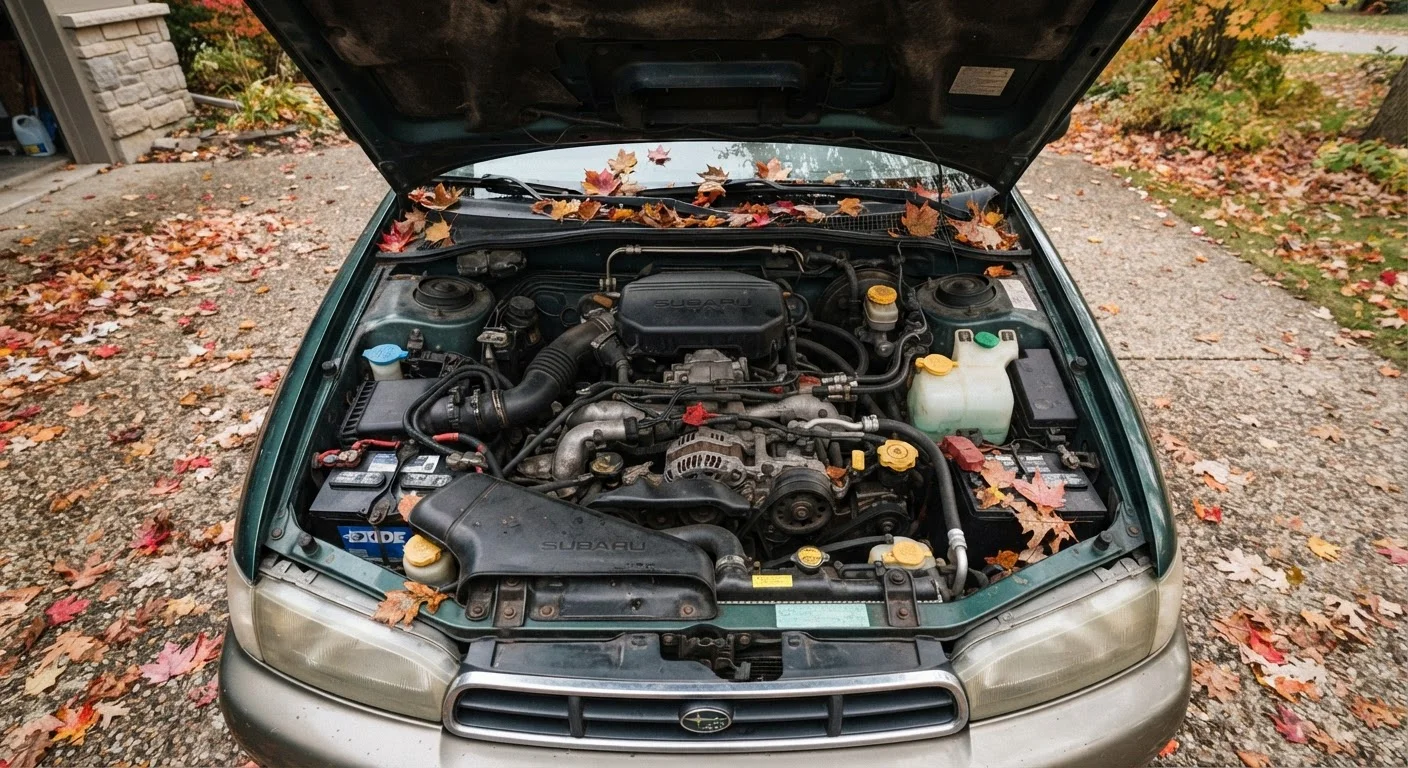
Photo: AskSpecialist.net editorial
Key Takeaways
- Most seasonal checks take under an hour and require no special tools or mechanical knowledge.
- Tires, fluids, brakes, and battery are the four systems most affected by seasonal temperature swings.
- Catching small issues early - like low brake fluid or a cracked wiper blade - prevents larger, costlier repairs.
- Your owner's manual is the definitive source for your car's specific service intervals and fluid specs.
- Keeping a simple maintenance log helps you track what was done and when, which also supports resale value.
Why Seasonal Checks Beat a Single Annual Inspection
Most drivers think about car maintenance once a year - usually when a warning light turns on or an inspection sticker is about to expire. The problem is that temperature changes, road conditions, and driving patterns shift dramatically across seasons, and those shifts stress different systems at different times. A battery that's fine in July may struggle in January. Tires properly inflated in October lose pressure as the air cools. Wiper blades that worked last spring may streak badly when fall rain arrives.
Breaking your maintenance into four seasonal checks is more manageable than it sounds. You don't need a lift, a torque wrench, or a mechanic's certification to work through this list. Most items are visual inspections or simple fluid level checks you can do in your driveway in under an hour. For anything that requires a professional - particularly brake work or anything underneath the vehicle - this checklist helps you know what to ask for and when.
For a deeper look at manufacturer-specific intervals and fluid specifications, your owner's manual is the most overlooked tool in your glove box. Use this checklist alongside it, not instead of it.
Spring (March-May)
Summer (June-August)
Fall (September-November)
Winter (December-February)
Tools and Resources to Have on Hand
You don't need a full garage setup to run through these checks. A few basic items make the process faster and more accurate.
Tire pressure gauge
Accurately measure PSI in each tire before and after seasonal temperature changes.
Tread depth gauge
Measure remaining tread depth precisely, going beyond the basic penny test.
Flashlight or headlamp
Inspect the undercarriage, wheel wells, and dark corners of the engine bay safely.
Battery load tester
Test whether the battery holds a charge under real load - many auto parts stores offer this service for free.
Vehicle owner's manual
Confirm the correct fluid specifications, tire pressure recommendations, and service intervals for your specific model.
If you want to go further, keeping a simple maintenance log alongside this checklist helps you track what was done each season - useful both for your own records and if you ever sell the vehicle.
Key Areas to Watch Across All Seasons
A few systems show up on every seasonal check because they're consistently the most vulnerable to wear and environmental stress.
Tires: Tire pressure drops roughly 1 PSI for every 10°F drop in temperature. Under-inflated tires wear unevenly, handle poorly, and reduce fuel efficiency. Check pressure when tires are cold - before you've driven more than a mile. Tread depth matters year-round; the penny test (insert a penny into the tread with Lincoln's head facing down - if you see all of his head, the tread is too low) is a quick baseline, though a dedicated gauge gives more precise readings.
Fluids: Engine oil, coolant (antifreeze), brake fluid, power steering fluid, and windshield washer fluid all need periodic checks. Each fluid has a distinct role, and color or smell changes can signal a developing problem before it becomes serious.
Brakes: Brake pads wear gradually. Squealing is the most obvious sign, but there are subtler symptoms that often go unnoticed - vibration when stopping, a soft pedal feel, or the vehicle pulling to one side. Have brake thickness checked professionally at least once a year.
Battery: Extreme cold and heat both shorten battery life. Most batteries last three to five years. If yours is approaching that range, have it load-tested at an auto parts store - many do this for free. For a reference on how long these and other components typically last, see this guide to car part service life.
Don't Ignore the Brake Fluid Reservoir
Winter preparation deserves special attention. Cold-weather car care before the first freeze covers what's at stake when temperatures drop and why acting early makes a real difference.
The content on this site is provided for informational purposes only and should not be considered a substitute for professional advice. While we strive to provide accurate and up-to-date information, we make no guarantees regarding its completeness or accuracy. Always consult a qualified professional for advice specific to your circumstances before making any decisions.