
Protein Treatments and Moisture: Finding the Right Balance for Your Hair

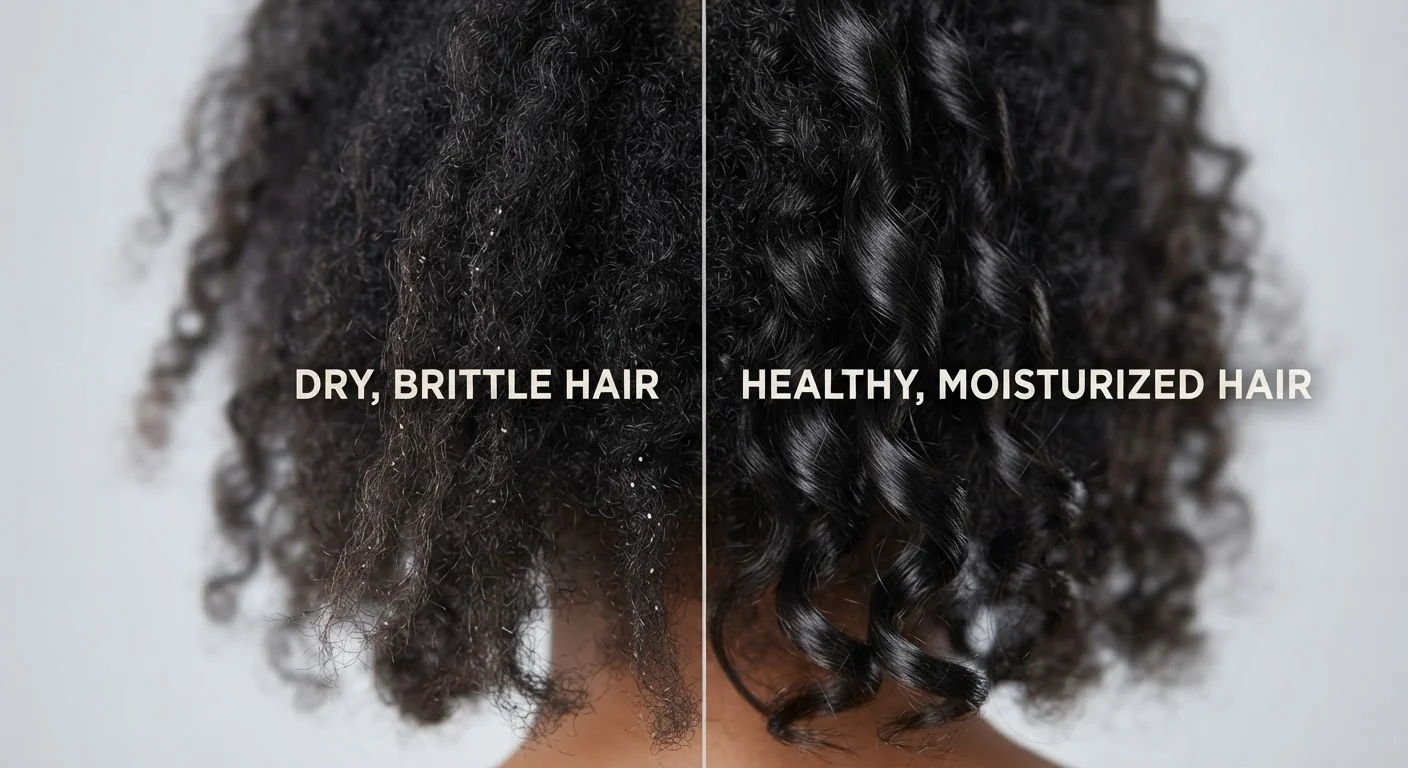
Photo: AskSpecialist.net editorial
Key Takeaways
- Protein and moisture work together - an excess of either causes distinct, identifiable damage patterns.
- Hair that snaps without stretching usually needs moisture; hair that stretches and won't return needs protein.
- Porosity strongly influences how often your hair needs protein versus deep moisture treatments.
- Start with small adjustments and observe your hair's response before changing your entire routine.
- Most hair does well with a moisture-forward routine punctuated by occasional protein treatments.
Why Protein and Moisture Are Both Non-Negotiable
Hair is composed primarily of keratin, a structural protein that gives each strand its strength and shape. Over time, daily handling, heat styling, chemical processing, and environmental exposure degrade that protein structure - leaving gaps along the hair shaft that make strands weak and prone to breakage.
Moisture - specifically water retained within the hair cortex - is what keeps those strands flexible and pliable. Without adequate moisture, even structurally sound hair becomes stiff and brittle. The two elements are interdependent: protein provides the scaffold, moisture keeps it functional.
Understanding how they interact is foundational to building an effective care routine. Our guide on porosity, elasticity, and density explains how these structural properties shape your hair's needs at a deeper level.
Reading the Signs: Protein Overload vs. Moisture Overload
Before adjusting your routine, you need to diagnose which imbalance - if any - is present. The signals are different enough that a simple observation can guide you.
Signs of Protein Overload
- Hair feels stiff, rough, or straw-like even after conditioning
- Strands break with little to no stretching (snap test fails quickly)
- Hair appears dull and lacks movement
- New breakage appears after using a protein-heavy product
Signs of Moisture Overload (Hygral Fatigue)
- Hair stretches significantly when pulled but doesn't spring back
- Strands feel mushy, gummy, or limp - especially when wet
- Hair lacks definition and appears flat
- Curl pattern is looser or less defined than usual
The Wet Strand Elasticity Test
A quick at-home elasticity check: take a single wet strand and gently stretch it. Healthy hair stretches slightly (roughly 30% of its length) then returns. No stretch suggests it needs moisture; excessive stretch with no rebound suggests it needs protein.
Protein Treatments vs. Moisture Treatments: What Each Does
| Protein Treatments | Moisture Treatments | |
|---|---|---|
| Primary purpose | Rebuild strength and structure | Restore softness and flexibility |
| Key ingredients | Hydrolyzed keratin, silk amino acids, rice protein | Aloe vera, glycerin, shea butter, honey |
| Best for | Mushy, over-elastic, or limp hair | Brittle, snapping, or stiff hair |
| Frequency | Every 4-6 weeks, or as needed | Weekly to biweekly for most hair types |
| Risk of overuse | Stiffness, brittleness, breakage | Limpness, loss of definition, hygral fatigue |
| High porosity hair | Needed more often to fill cuticle gaps | Needs heavy sealants to retain moisture |
| Low porosity hair | Use sparingly; buildup risk is higher | Use lightweight formulas with gentle heat |
Protein treatments work by temporarily filling gaps in the hair's cuticle and cortex with hydrolyzed proteins - smaller protein molecules that can penetrate the strand. They restore tensile strength and reduce excessive elasticity. Common sources include hydrolyzed keratin, wheat protein, silk amino acids, and rice protein.
Moisture treatments - particularly deep conditioners - replenish water content and use humectants and emollients to help retain it. They soften the cuticle, improve slip, and restore pliability. Ingredients like aloe vera, glycerin, honey, and shea butter are typical moisture-delivery agents.
Neither treatment is universally superior. Their effectiveness depends on what your hair is lacking at a given moment, and that can shift with seasons, styling habits, and chemical treatments.
How Porosity Changes the Equation
Porosity - your hair's ability to absorb and retain moisture - is perhaps the single biggest factor in how often each treatment type is needed.
- Low porosity hair has a tightly closed cuticle. It resists both protein and moisture absorption, and protein can build up on the surface quickly, causing stiffness. Low porosity hair generally needs less frequent protein and benefits more from lightweight moisture with heat to open the cuticle.
- High porosity hair has gaps or lifts in the cuticle from damage or genetics. It absorbs moisture rapidly but loses it just as fast. High porosity hair often benefits more from regular protein treatments to reinforce those gaps, combined with heavier sealants to lock moisture in. If you notice moisture disappearing soon after application, our article on why your hair feels dry after moisturizing explains the porosity connection in detail.
- Medium (normal) porosity hair generally maintains balance more easily and needs protein treatments less frequently - perhaps monthly or as needed.
Building a Balanced Routine
For most hair types, a moisture-first philosophy with strategic protein reinforcement is the most reliable approach. Here is a framework to work from:
- Default to moisture: Make a quality deep conditioner your regular weekly or biweekly treatment. See our guide on deep conditioning at home for application technique and timing.
- Add protein when signals appear: If you notice the gummy, over-stretched feeling described above, incorporate a light protein treatment. Start with a lighter option (amino acid-based) before moving to heavier reconstructors.
- Space protein treatments out: For most hair types, protein treatments once every four to six weeks is a reasonable starting point. Adjust based on observation.
- Follow every protein treatment with moisture: Protein treatments can temporarily harden the cuticle. Always follow with a moisturizing conditioner to restore softness and prevent overcorrection into protein overload.
- Audit regularly: Hair needs shift. Use a weekly hair care audit to track changes before they become problems.
If you want to simplify your overall approach, building a minimalist hair routine can help you identify which products are genuinely earning their place.
This article is for general informational and educational purposes only. If you experience significant hair loss, scalp irritation, or other symptoms that concern you, consult a licensed dermatologist or trichologist for personalized guidance.
The content on this site is provided for informational purposes only and should not be considered a substitute for professional advice. While we strive to provide accurate and up-to-date information, we make no guarantees regarding its completeness or accuracy. Always consult a qualified professional for advice specific to your circumstances before making any decisions.