
Scalp Health and Hair Growth: What the Research Actually Shows

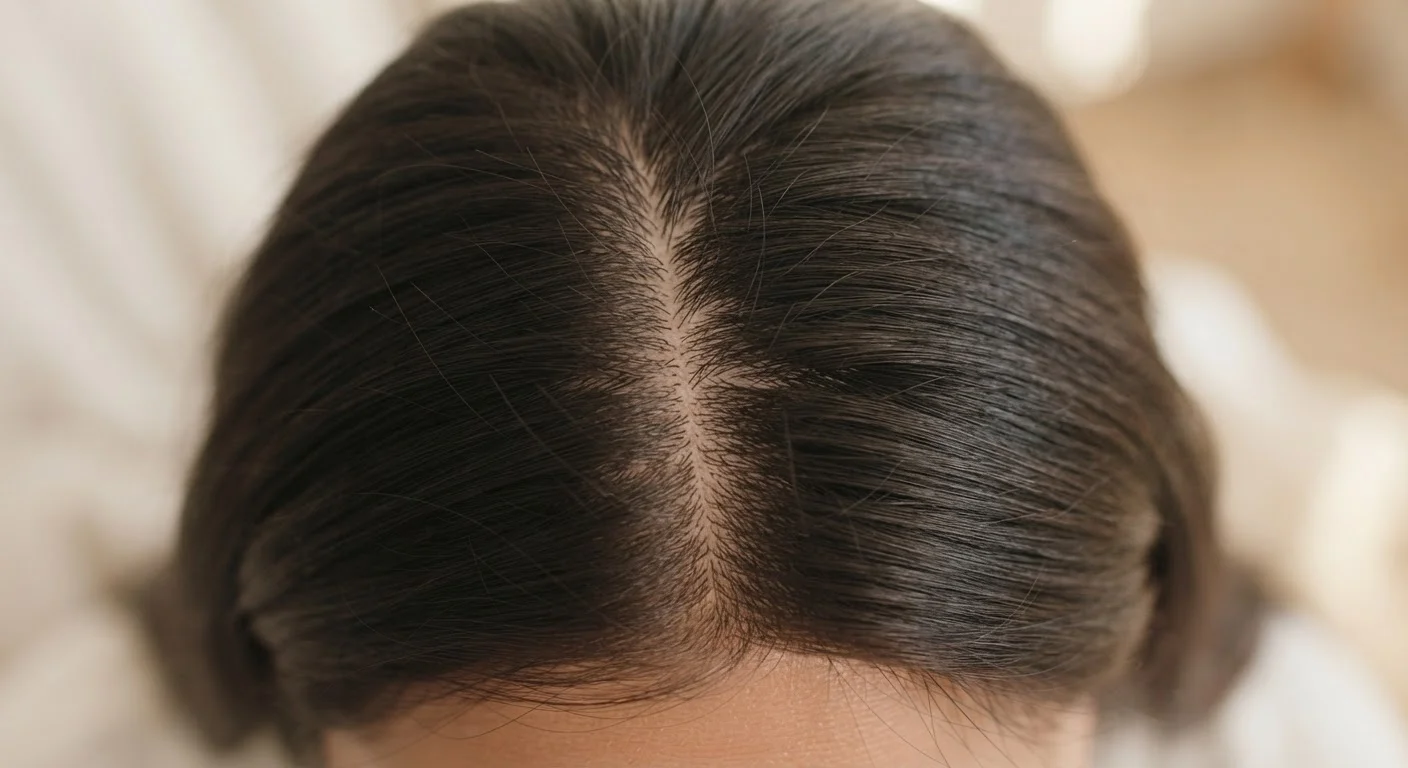
Photo: AskSpecialist.net editorial
Key Takeaways
- Scalp inflammation is one of the most research-supported factors that can disrupt the normal hair growth cycle.
- Product buildup and poor scalp hygiene can clog follicles and contribute to an unhealthy scalp environment.
- Many popular 'hair growth' claims lack strong clinical evidence; established interventions are fewer than most people expect.
- Scalp massage shows modest but real evidence for supporting hair thickness over time with consistent practice.
- Underlying health conditions, hormones, and genetics remain primary drivers of significant hair loss.
- General scalp care - gentle cleansing, barrier support, and avoiding excess tension - is well-supported by dermatological guidance.
The Scalp-Follicle Relationship: What Science Supports
Your scalp is living skin - about 2-3 mm thick, densely packed with roughly 100,000 hair follicles and a robust network of sebaceous glands and blood vessels. Each follicle is a self-contained mini-organ responsible for producing a single hair strand through a cyclical process. Understanding that biology is the foundation for separating evidence-based scalp care from marketing noise.
What the research does clearly show is that chronic scalp inflammation disrupts the hair growth cycle. Conditions like seborrheic dermatitis, psoriasis, and folliculitis - all characterized by inflammatory responses - are associated with increased hair shedding in published dermatological literature. The mechanism is logical: inflammation can push follicles out of the anagen (active growth) phase and into the telogen (resting) phase prematurely.
What the research does not clearly show is that standard cosmetic scalp care meaningfully accelerates growth rate. Growth rate is primarily set by genetics and hormonal factors. The more accurate framing is that good scalp hygiene helps preserve the conditions for follicles to complete their natural cycle without disruption - a meaningful but more modest claim than many products suggest.
For a deeper look at what's folklore versus fact, see our guide to hair care myths dermatologists commonly correct.
~50%
Adults affected by dandruff at some point
Seborrheic dermatitis (dandruff) is estimated to affect up to 50% of the general adult population, according to dermatological literature, making it the most common inflammatory scalp condition.
~100,000
Hair follicles on the average adult scalp
The average human scalp contains approximately 100,000 follicles, each cycling independently - meaning daily shedding of 50-100 strands is considered within the normal range.
24 weeks
Duration of scalp massage study showing thickness gains
A small clinical study published in ePlasty found measurable increases in hair thickness after participants performed standardized scalp massage for 24 consecutive weeks.
What Can Actually Affect Scalp Health
Several well-documented factors influence scalp condition, and most are within everyday control:
- Sebum balance: The scalp's sebaceous glands produce sebum, which lubricates hair and forms part of the skin barrier. Both excess and insufficient sebum create problems - excess contributes to buildup and fungal overgrowth; deficiency leads to dryness and irritation.
- Microbial environment: The scalp hosts a microbiome similar to the rest of the skin. Overgrowth of the yeast Malassezia is well-established as a key driver of dandruff and seborrheic dermatitis - the most common scalp conditions affecting adults.
- Product residue and buildup: Heavy silicones, waxes, and dry shampoo overuse can accumulate around follicle openings. While this alone is unlikely to cause permanent hair loss, it contributes to an inflammatory environment over time. Our article on washing your scalp versus your hair explains why these are genuinely different tasks.
- Mechanical stress: Tight hairstyles (braids, ponytails, extensions worn long-term) can exert traction on follicles. Traction alopecia - hair loss caused by this repeated pulling - is a documented and preventable condition.
- Nutritional status: Deficiencies in iron, zinc, and certain B vitamins have established associations with hair shedding. These are internal factors that no topical product can address.
Match Your Wash Frequency to Your Scalp Type
Scalp Massage: The Intervention With the Most Promise
Among the non-medical interventions that have received clinical attention, scalp massage has the most encouraging - if still limited - evidence. A study published in ePlasty found that standardized scalp massage over 24 weeks was associated with increased hair thickness in participants. The proposed mechanism involves mechanical stretching of dermal papilla cells, which play a key role in hair follicle cycling.
The important caveat: these studies are small, and scalp massage is unlikely to produce dramatic results for those experiencing significant hormone-driven or genetic hair loss. It is, however, low-risk, accessible, and potentially useful as part of a broader scalp care habit.
“The scalp is an extension of facial skin, and it deserves the same thoughtful attention. Neglecting it because it's covered by hair is one of the most common oversights in everyday grooming.”
— Dermatology consensus perspective, Reflected across published trichology and dermatology literature on scalp care
For a practical way to build scalp awareness into your routine, our weekly hair care audit offers a structured self-check approach.
What Scalp Care Can and Cannot Do
Setting realistic expectations matters. Here's an honest summary of what consistent, evidence-informed scalp care can realistically support:
- What it can support:
- Reducing inflammation from preventable causes (buildup, fungal overgrowth, harsh treatments), maintaining the scalp barrier, minimizing mechanical damage from styling, and catching early signs of change before they become significant.
- What it cannot do:
- Reverse genetic hair loss (androgenetic alopecia), replace clinically proven treatments, address hair loss driven by underlying medical conditions, or meaningfully accelerate the biological growth rate of hair.
If you're experiencing noticeable or sudden shedding, patchy loss, or significant scalp discomfort, those are signals to consult a board-certified dermatologist. Scalp conditions are highly treatable when correctly diagnosed, and self-diagnosing can lead to using the wrong products for months.
Our companion article on scalp health as a foundation for hair care covers everyday habits that support long-term scalp balance without overclaiming results.
This article is for general informational purposes only and does not constitute medical advice. If you have concerns about hair loss or scalp conditions, please consult a qualified healthcare professional or board-certified dermatologist.
Frequently Asked Questions
The content on this site is provided for informational purposes only and should not be considered a substitute for professional advice. While we strive to provide accurate and up-to-date information, we make no guarantees regarding its completeness or accuracy. Always consult a qualified professional for advice specific to your circumstances before making any decisions.